Gexinzhuang Industrial Zone, Yilunbao Town, Renqiu City, Hebei Province, China



Unlocking Soil Potential: Understanding Quality Deep Tillage Plows
2025-10-26

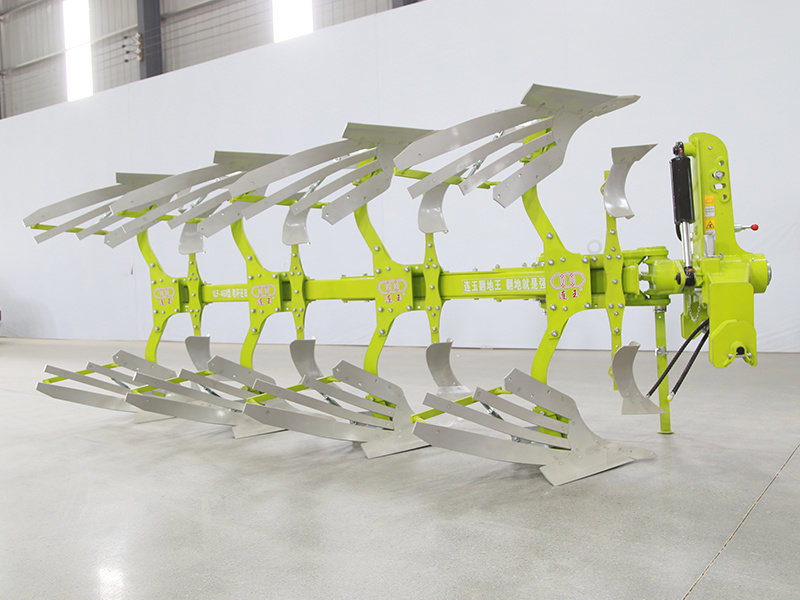
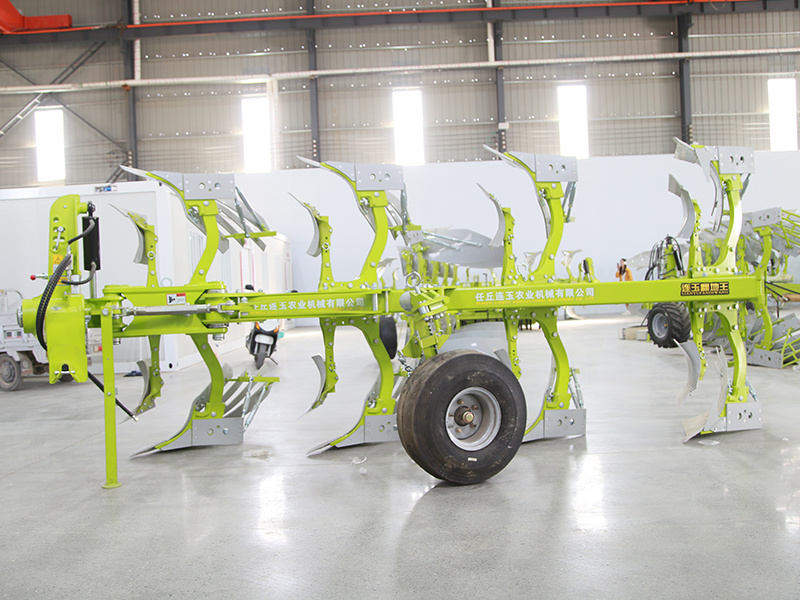
One of the primary advantages of a quality deep tillage plow is its ability to effectively manage soil compaction. Compacted soil can hinder plant growth by restricting root expansion and limiting access to water and nutrients. By using a deep tillage plow, farmers can alleviate these issues, allowing for healthier root systems that lead to improved crop yields. The design of these plows often includes features such as adjustable depth settings and robust blades that can penetrate hard soil layers more efficiently.
Moreover, deep tillage plays a significant role in soil aeration. Well-aerated soil allows for better gas exchange between the soil and the atmosphere, which is vital for beneficial microbial activity. Microorganisms help break down organic matter, making nutrients more accessible to plants. Therefore, investing in a quality deep tillage plow not only enhances immediate soil conditions but also fosters long-term soil health.
In addition to improving soil structure and aeration, deep tillage can also aid in weed management. By turning over the soil and burying weed seeds, deep tillage plows can significantly reduce weed pressure during crop growth. This practice leads to less competition for resources among crops, facilitating healthier and more productive fields.
Farmers should also consider the type of soil and crop rotation practices when selecting a deep tillage plow. Different soils may require varying tillage depths and techniques. Understanding local soil conditions and crop requirements can help in choosing the right plow for your needs.
Finally, while selecting a quality deep tillage plow, it's beneficial to look for equipment that emphasizes durability and ease of use. Features such as user-friendly controls and low maintenance requirements can enhance operational efficiency. Additionally, investing in quality construction materials will ensure that your plow withstands the rigors of agricultural use over time.
In conclusion, quality deep tillage plows are instrumental in enhancing soil health, promoting efficient resource use, and ultimately boosting agricultural productivity. By understanding their importance and selecting the right equipment for your specific needs, you can significantly improve your farming practices and achieve better harvests.
Keywords:
Contact Us
Whatsapp:
Email:
Address:
Ge Xin Zhuang Industrial Zone, Yi Lun Bao Township, Ren Qiu City, Hebei Province,China
Online Message
We will contact you within one business day. Please pay attention to your email address.
Quick Navigation
Contact Information
Our company mainly produces various hydraulic flip plows and power harrows. Welcome to visit and follow our website and social media, and feel free to contact us to discuss business.
Telephone: +86 15833369696 (WeChat)
Email: wu@lynyjt.com
Address: Ge Xinzhuang Industrial Zone, Yilunbao Township, Renqiu City, Hebei Province,China


Online Message