Gexinzhuang Industrial Zone, Yilunbao Town, Renqiu City, Hebei Province, China



Unlock Better Soil Health with Quality Deep Tillage Plow Techniques
2025-10-23

Unlock Better Soil Health with Quality Deep Tillage Plow Techniques
Table of Contents
- 1. Introduction to Deep Tillage and Soil Health
- 2. The Importance of Soil Health in Agriculture
- 3. What is Deep Tillage?
- 4. Benefits of Quality Deep Tillage Techniques
- 4.1 Improved Water Drainage
- 4.2 Enhanced Nutrient Availability
- 4.3 Promoting Root Development
- 4.4 Improving Soil Structure
- 5. Effective Deep Tillage Techniques
- 6. Challenges in Deep Tillage
- 7. Best Practices for Quality Deep Tillage
- 8. Conclusion
- 9. FAQs About Deep Tillage
1. Introduction to Deep Tillage and Soil Health
Deep tillage stands as a cornerstone in modern agricultural practices, particularly in the quest to enhance soil health. As farmers grapple with increasingly challenging environmental conditions, understanding and implementing quality deep tillage techniques has become essential. By aerating and loosening the soil, these methods improve the physical and biological properties necessary for sustainable agriculture.
2. The Importance of Soil Health in Agriculture
Soil health is not merely a buzzword; it is a vital component of agricultural success. Healthy soil promotes robust crop growth, improves water retention, and reduces erosion. When soil is rich in organic matter and microorganisms, it fosters a thriving ecosystem that supports plant health and productivity. Understanding the significance of soil health allows farmers to make informed choices about tillage practices.
3. What is Deep Tillage?
Deep tillage refers to the agricultural practice of loosening soil to a depth greater than conventional tillage methods. This process disrupts compacted layers, allowing for improved air and water penetration. Deep tillage is particularly beneficial for clay soils, which are prone to compaction and poor drainage.
4. Benefits of Quality Deep Tillage Techniques
Quality deep tillage techniques offer numerous advantages that contribute to better soil health and, consequently, enhanced agricultural productivity.
4.1 Improved Water Drainage
One of the most immediate benefits of deep tillage is improved water drainage. Compacted soil layers can hinder water movement, leading to pooling and poor root development. By breaking up these layers, deep tillage enhances drainage, reducing the risk of waterlogging and promoting healthier plants.
4.2 Enhanced Nutrient Availability
Deep tillage can significantly improve nutrient availability in the soil. By breaking up compacted layers, nutrients can be more readily accessed by plant roots. This process also encourages the mixing of organic matter into the soil, further enriching its nutrient profile.
4.3 Promoting Root Development
Deep tillage creates an ideal environment for root growth. With looser soil and improved drainage, roots can penetrate deeper into the ground, accessing nutrients and water that would otherwise be out of reach. This results in stronger, healthier plants capable of withstanding stressors.
4.4 Improving Soil Structure
A well-structured soil supports a diverse ecosystem of microorganisms, which are crucial for nutrient cycling and soil fertility. Deep tillage enhances soil structure by creating stable aggregates, improving aeration, and fostering a balanced ecosystem.
5. Effective Deep Tillage Techniques
Implementing effective deep tillage techniques is crucial for maximizing the benefits of this practice.
5.1 Types of Plows for Deep Tillage
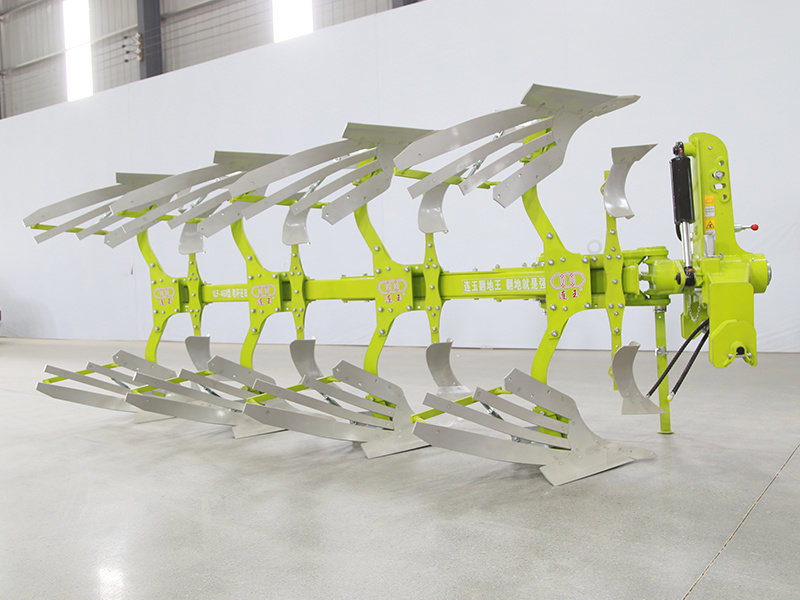
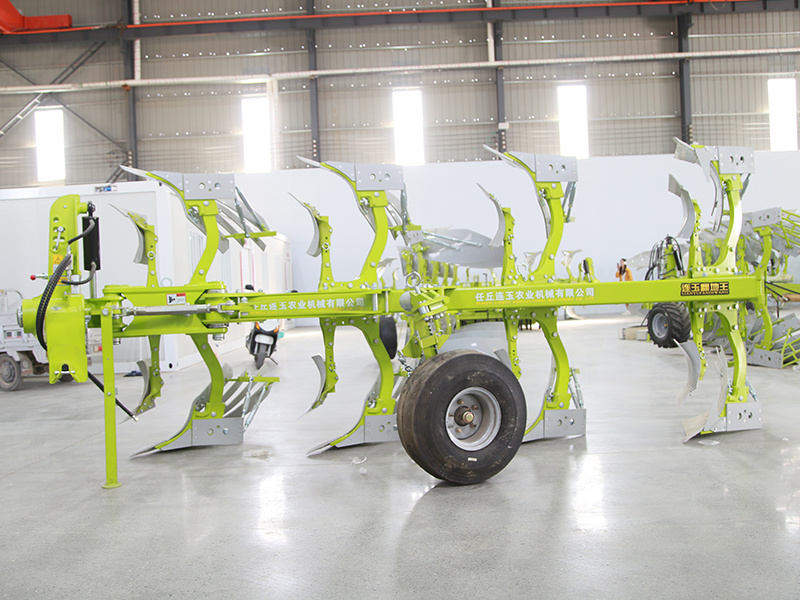
Various plow types are specifically designed for deep tillage applications. Some of the most common include:
- **Moldboard Plows**: These turn over the soil and are effective for deep tillage.
- **Subsoilers**: Designed to break up compacted layers without inverting the soil, promoting drainage.
- **Chisel Plows**: Used to break up soil while preserving its structure, allowing for better moisture retention.
Choosing the right plow depends on soil type, moisture levels, and the specific goals of the farming operation.
5.2 Methodologies for Effective Implementation
Implementing deep tillage requires careful planning and methodology. Consider the following key points:
1. **Timing**: Perform deep tillage during optimal soil moisture conditions to minimize compaction and maximize effectiveness.
2. **Depth**: Aim for a depth that effectively addresses the compacted layers without disrupting beneficial soil organisms.
3. **Follow-up**: Monitor soil conditions post-tillage to assess the impact on crop growth and adjust practices as necessary.
6. Challenges in Deep Tillage
While deep tillage offers numerous benefits, it is not without challenges. Some potential issues include:
- **Soil Erosion**: Excessive tillage can lead to soil erosion, especially on slopes.
- **Increased Energy Costs**: The energy required for deep tillage can be significant, impacting overall efficiency.
- **Soil Compaction**: Frequent deep tillage can sometimes lead to new compaction layers, negating its benefits.
7. Best Practices for Quality Deep Tillage
To ensure the success of deep tillage practices, we recommend adhering to the following best practices:
1. **Regular Soil Testing**: Conduct soil tests to understand nutrient levels and identify areas of compaction.
2. **Crop Rotation**: Implement crop rotation to maintain soil health and reduce pest pressures.
3. **Cover Crops**: Use cover crops to enhance soil structure and prevent erosion between tillage operations.
8. Conclusion
Unlocking better soil health through quality deep tillage plow techniques is essential for sustainable agriculture. By understanding the benefits, implementing effective methodologies, and adhering to best practices, we can enhance soil health, improve crop yields, and contribute to more resilient farming systems. As we navigate the challenges of modern agriculture, quality deep tillage stands out as a vital tool in our arsenal for achieving long-term success.
9. FAQs About Deep Tillage
1. What is the best time to perform deep tillage?
The best time to perform deep tillage is during periods of optimal soil moisture, typically in the fall or early spring, before planting.
2. Can deep tillage improve crop yields?
Yes, deep tillage can improve crop yields by enhancing soil aeration, nutrient availability, and root development.
3. How deep should deep tillage go?
Deep tillage typically aims for a depth of 12 to 16 inches, depending on soil conditions and compaction levels.
4. Are there any negative effects of deep tillage?
Excessive deep tillage can lead to soil erosion, increased energy costs, and potential new compaction layers.
5. How often should deep tillage be performed?
The frequency of deep tillage depends on soil type and management practices, but it is generally recommended to perform it every few years, based on soil health assessments.
Keywords:
Contact Us
Whatsapp:
Email:
Address:
Ge Xin Zhuang Industrial Zone, Yi Lun Bao Township, Ren Qiu City, Hebei Province,China
Online Message
We will contact you within one business day. Please pay attention to your email address.
Quick Navigation
Contact Information
Our company mainly produces various hydraulic flip plows and power harrows. Welcome to visit and follow our website and social media, and feel free to contact us to discuss business.
Telephone: +86 15833369696 (WeChat)
Email: wu@lynyjt.com
Address: Ge Xinzhuang Industrial Zone, Yilunbao Township, Renqiu City, Hebei Province,China


Online Message