Gexinzhuang Industrial Zone, Yilunbao Town, Renqiu City, Hebei Province, China



Understanding the Benefits of Flip Ploughs in Modern Farming: A Comprehensive Guide
2025-10-29
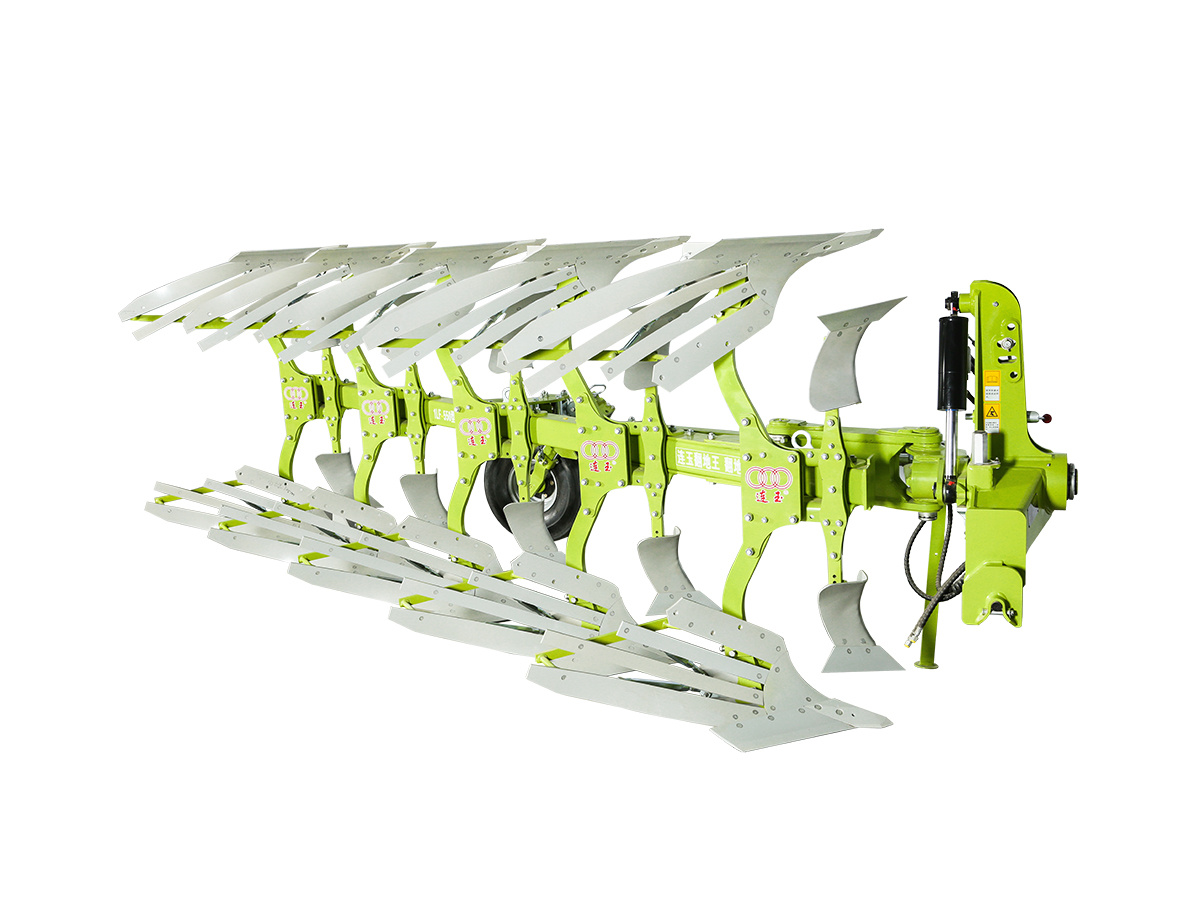
Understanding the Benefits of Flip Ploughs in Modern Farming
Table of Contents
- Introduction to Flip Ploughs
- What is a Flip Plough?
- The Importance of Soil Management in Agriculture
- Key Benefits of Using Flip Ploughs
- Enhanced Soil Structure
- Improved Water Retention
- Efficiency and Productivity in Farming
- Reduced Soil Erosion
- Increased Crop Yield and Quality
- How to Choose the Right Flip Plough
- Maintenance and Care for Flip Ploughs
- Frequently Asked Questions (FAQs)
- Conclusion
Introduction to Flip Ploughs
In the ever-evolving landscape of modern agriculture, farmers continuously seek tools that enhance productivity and sustainability. One such tool, the **flip plough**, has gained popularity due to its remarkable efficiency and soil-friendly operations. This article offers an in-depth exploration of flip ploughs, emphasizing their importance in contemporary farming practices.
What is a Flip Plough?
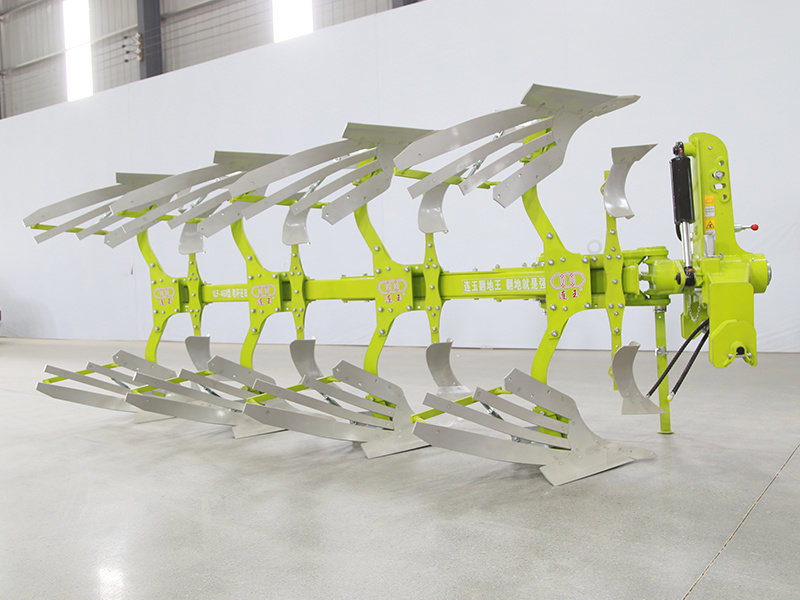
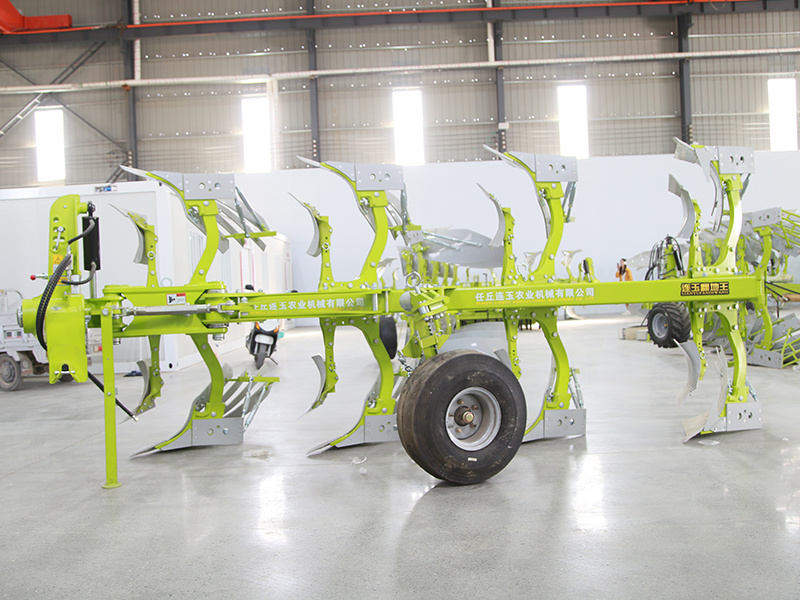
A flip plough, also known as a reversible plough, is an agricultural implement designed to turn over soil in a single pass effectively. Unlike traditional ploughs that only turn the soil in one direction, flip ploughs are engineered to reverse the direction of the furrow, allowing farmers to plough in both directions without changing equipment. This dual-action operation not only saves time but also minimizes soil compaction, preserving the essential aeration of the soil.
The Importance of Soil Management in Agriculture
Effective soil management is pivotal for successful farming. Healthy soil is the bedrock of productive agriculture, influencing crop growth, nutrient availability, and overall farm sustainability. The way soil is tilled can impact its structure, fertility, and moisture retention. Flip ploughs play a crucial role in maintaining soil health by turning the soil while preserving its integrity, ensuring that farmers can cultivate land effectively while protecting the environment.
Key Benefits of Using Flip Ploughs
Flip ploughs offer several significant advantages that can transform farming practices. Understanding these benefits can help farmers make informed decisions about their equipment choices.
Enhanced Soil Structure
One of the primary benefits of using flip ploughs is their ability to enhance soil structure. By turning the soil over efficiently, flip ploughs promote the formation of soil aggregates. This process helps improve aeration, allowing roots to penetrate deeper and access essential nutrients. Additionally, the natural microorganisms in the soil thrive in well-structured environments, promoting healthy crop development.
Improved Water Retention
Another key benefit of flip ploughs is their contribution to improved water retention. The flipping action helps create furrows that capture rainwater more effectively. This feature is particularly beneficial in regions prone to drought, as better water retention can lead to healthier crops and reduce the need for irrigation. Farmers can thus conserve water resources while ensuring robust crop growth.
Efficiency and Productivity in Farming
Efficiency is a cornerstone of modern agriculture, and flip ploughs provide farmers with a competitive edge. By allowing for dual-direction ploughing, these machines reduce the time and fuel needed to prepare fields for planting. This increased efficiency translates into higher productivity, enabling farmers to cultivate larger areas in less time. Moreover, the use of flip ploughs minimizes the wear and tear on other equipment, leading to lower maintenance costs.
Reduced Soil Erosion
Soil erosion poses a significant threat to agricultural sustainability. Flip ploughs contribute to reducing soil erosion through their unique design. By enabling the farmer to maintain the natural contours of the land, flip ploughs help to protect the topsoil and prevent nutrient loss. This feature is especially crucial in hilly or sloped terrains, where traditional ploughing methods can exacerbate erosion issues.
Increased Crop Yield and Quality
Ultimately, the use of flip ploughs can lead to increased crop yield and quality. By promoting healthy soil structure, improving water retention, and minimizing erosion, farmers can expect robust crop development. Healthier plants are more resilient to pests and diseases, leading to higher-quality produce. This aspect is vital for farmers looking to maximize their profits while ensuring sustainability.
How to Choose the Right Flip Plough
Selecting the right flip plough is essential for maximizing its benefits. Here are several factors to consider:
1. **Field Size and Type**: Assess the size and condition of your fields. Larger fields may require more robust ploughs, while smaller farms can opt for lighter models.
2. **Soil Type**: Different soils require different ploughing techniques. Sandy soils may benefit from lighter ploughs, while clay soils may need heavier models for effective tilling.
3. **Budget**: Determine your budget for purchasing a flip plough. Investing in quality equipment can yield long-term benefits, so consider both initial costs and potential savings in efficiency.
4. **Compatibility with Tractors**: Ensure that the chosen flip plough is compatible with your existing tractor. Check the power requirements and coupling systems to avoid operational issues.
5. **Brand Reputation and Support**: Research reputable brands and their customer support services. A reliable manufacturer can provide valuable guidance on maintenance and troubleshooting.
Maintenance and Care for Flip Ploughs
To ensure longevity and optimal performance, regular maintenance of flip ploughs is crucial. Here are some maintenance tips:
- **Regular Inspections**: Conduct periodic inspections to check for wear and tear on the blades and frame. Replace any damaged parts promptly.
- **Cleaning**: After each use, clean the plough to remove soil and debris. This practice helps prevent corrosion and maintains efficiency.
- **Lubrication**: Regularly lubricate moving parts to reduce friction and ensure smooth operation.
- **Storage**: Store the plough in a dry, sheltered area to protect it from environmental elements. Covering it can also prevent rust and damage.
Frequently Asked Questions (FAQs)
1. How does a flip plough differ from a traditional plough?
**Answer**: A flip plough can reverse the direction of the furrow, allowing for more efficient soil turning and improved soil health compared to traditional ploughs, which only operate in one direction.
2. Are flip ploughs suitable for all soil types?
**Answer**: While flip ploughs are versatile, it's essential to choose the right model for specific soil types. Some are better equipped for sandy soils, while others perform well in clay or loamy conditions.
3. Can flip ploughs help reduce soil compaction?
**Answer**: Yes, by allowing for dual-direction ploughing, flip ploughs minimize soil compaction, thus enhancing soil aeration and health.
4. What is the average lifespan of a flip plough?
**Answer**: With proper maintenance, a flip plough can last for several years. Regular care and timely repairs can significantly extend its lifespan.
5. What crops benefit the most from ploughing with flip ploughs?
**Answer**: Most crops benefit from improved soil structure and health that flip ploughs provide, including grains, vegetables, and root crops.
Conclusion
In summary, flip ploughs represent an essential advancement in modern farming, combining efficiency with sustainable practices. By enhancing soil structure, improving water retention, and reducing soil erosion, they contribute significantly to increased crop yield and quality. As farmers strive for greater productivity and environmental sustainability, incorporating flip ploughs into their operations can provide a robust solution. Investing in a quality flip plough, along with proper maintenance, will ensure that modern farmers can meet the demands of today's agricultural landscape while promoting optimal soil health for future generations.
Keywords:
Previous Page
Contact Us
Whatsapp:
Email:
Address:
Ge Xin Zhuang Industrial Zone, Yi Lun Bao Township, Ren Qiu City, Hebei Province,China
Online Message
We will contact you within one business day. Please pay attention to your email address.
Quick Navigation
Contact Information
Our company mainly produces various hydraulic flip plows and power harrows. Welcome to visit and follow our website and social media, and feel free to contact us to discuss business.
Telephone: +86 15833369696 (WeChat)
Email: wu@lynyjt.com
Address: Ge Xinzhuang Industrial Zone, Yilunbao Township, Renqiu City, Hebei Province,China


Online Message