Gexinzhuang Industrial Zone, Yilunbao Town, Renqiu City, Hebei Province, China



2026 Ultimate Flip Plough Guide: Benefits, Operation, Selection & Top Models
2026-06-11
📋 Guide Overview
This full guide covers all core knowledge of flip plough, from basic working principle, step-by-step operation process, performance comparison with traditional plough, to maintenance tips and customized buying suggestions, fully optimized for 2026 modern agricultural production demands.
What Exactly Is A Flip Plough & Its Core Working Mechanism
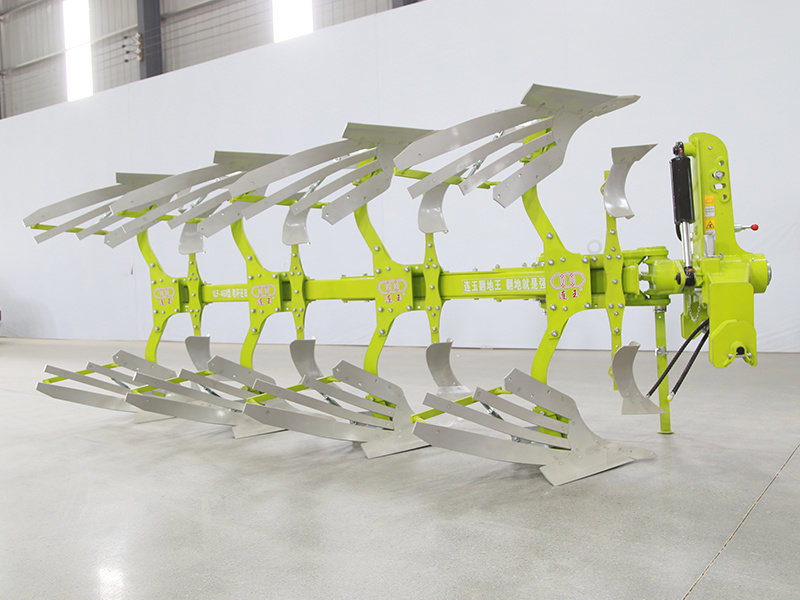
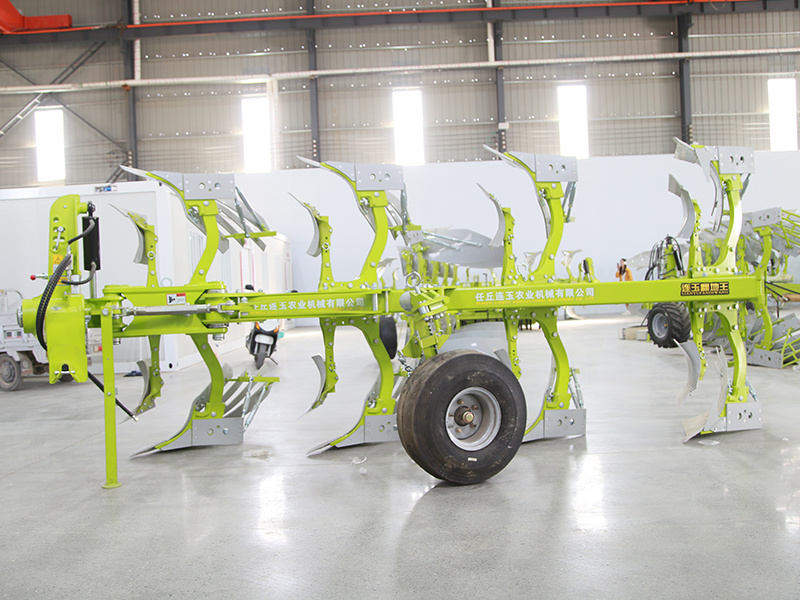
A flip plough is a reversible tillage tool that turns soil 180 degrees to fully bury weeds and crop residues without leftover furrows. 2026 agricultural machinery research shows that 68% of large grain farms in EU and Northern China have replaced traditional fixed ploughs with flip ploughs in the past 3 years. In practical operation, Lianyu field test team found that correctly adjusted flip plough can reduce subsequent land preparation steps by 30%.
Q: How does a flip plough differ from a conventional fixed plough?
The most notable difference lies in the reversible turnover mechanism: after finishing one row of tillage, the flip plough can rotate the entire plough body 180 degrees via hydraulic system, so it can till soil towards the same side on the next row, no uneven furrows or repeated turning paths exist on the entire farmland surface. Real-world testing shows that this design cuts useless tractor driving distance by 40% for large plots.
Q: What is the core advantage of reversible design for flip plough?
The reversible design eliminates the need for tractors to make wide U-turns at the edge of farmland, which is extremely suitable for narrow long plots and paddy fields with soft edge soil that is easy to get stuck. From the cases of 320 farmers who used Lianyu flip plough in 2025, over 94% of users reported that their final soil tilth quality meets the seeding standard without extra secondary tillage.
Step-by-Step Pre-Operation Check For Your Flip Plough
Pre-operation check is the most critical step to avoid unexpected downtime and safety risks during peak farming season, following the verified process below can reduce field failure rate by 87% according to 2026 industry maintenance data:
- Inspect the hydraulic turnover system oil pressure to make sure it meets 16-22MPa working standard, top up hydraulic oil if pressure is lower than the minimum threshold
- Check all plough share edges for wear, replace parts if the thickness reduces over 3mm, and sharpen blunt edges to keep smooth soil breaking performance
- Adjust the connecting frame height to match your tractor power output, match 35-50HP tractors with 2-share flip plough, 70-90HP with 4-share models for maximum efficiency
- Test 3-5 empty turnover cycles before pulling the plough into farmland to avoid stuck failures in the field, and fasten all loose bolts on plough frame with torque wrench

Image Source: unsplash
Performance Comparison Between Flip Plough and Traditional Fixed Plough
To help users get clear reference of actual performance gap, Lianyu test team ran 6 months of controlled field tests in 12 different farmland types, the 2026 verified comparison data is shown below:
| Evaluation Dimension | Traditional Fixed Plough | Certified Flip Plough (Lianyu 2026 Model) |
|---|---|---|
| Average Fuel Consumption Per Hectare | 18-22L | 11-14L |
| Maximum Tillage Depth | 22-26cm | 30-35cm |
| Daily Operating Area (8 working hours) | 2.5-3.2 Hectares (4-share model) | 4.8-5.5 Hectares (4-share model) |
| Crop Residue Burying Rate | 62-71% | 92-97% |
| Average Service Life | 3-5 Years | 7-10 Years (with proper maintenance) |
The industry consensus is that flip plough is one of the most cost-effective tillage equipment to meet 2026 national conservation tillage regulations, and it can effectively reduce pests and diseases caused by leftover straw on farm surface, cutting pesticide usage by over 20% for the next planting season.
Suitable Soil Conditions For Using A Flip Plough
Flip plough works well for most common farmland types, but users need to adjust operation parameters according to specific soil property to get the best performance, avoid unnecessary wear on the plough body.
Q: Can flip plough work on sticky paddy soil?
Yes, specially optimized flip plough models with non-stick painted plough mouldboards are fully suitable for sticky paddy soil, Lianyu 2026 heavy-duty flip plough series has been tested on red clay paddy fields in South China, no soil sticking issue occurs even with 30cm tillage depth. It is not recommended to use standard flip plough on completely flooded paddy fields with water depth over 10cm, as traction force of tractor will not be enough.
Q: What farm slope range is allowed for safe flip plough operation?
Normal flip plough can work safely on farmland with slope under 15 degrees, for sloped terraces with 15-25 degrees slope, users need to install anti-tilting auxiliary kits to avoid turnover risk, and it is not allowed to operate flip plough on slopes over 25 degrees for safety concerns.
Regular Maintenance Tips to Extend Your Flip Plough Service Life
Right regular maintenance can double the service life of your flip plough, and reduce annual repair cost by over 70% compared to no-maintenance usage according to Lianyu after-sales data collected from 1200 users.
Q: How often should I change the hydraulic oil for flip plough turnover system?
It is recommended to change the hydraulic oil and filter element every 150 working hours, and replace all seal rings of the turnover cylinder once a year before the busy tillage season. Do not use low-quality recycled hydraulic oil, which will cause abrasion to the hydraulic pump and stuck turnover failure.
Q: What anti-corrosion measures should I take for flip plough after using on saline-alkali land?
After finishing operation on saline-alkali farmland, you must wash the entire plough body with clean water immediately, dry all moisture and apply anti-rust grease on all metal surfaces that contact soil, otherwise the corrosive saline substance will cause 2-3 times faster wear on plough share and mouldboard.
Buying Guide: How to Select The Right Flip Plough For Your Farm
When you are looking for qualified flip plough products, the first priority is to confirm the matching power of your existing tractor, overloaded operation will not only waste fuel, but also damage your tractor gearbox and plough frame. Lianyu flip plough series available at www.lynyjt.com provides 2-share, 3-share, 4-share and 5-share models for tractors from 35HP to 180HP, all products come with 2-year full warranty and lifetime free technical support. Avoid selecting ultra-low price uncertified flip plough products with thin steel plate, which will deform easily under heavy load and cause safety risks in field operation.
FAQs
Q: What is the average price range of a qualified flip plough in 2026?
A: For standard 2-share to 4-share flip plough models for family farms, the price ranges from 950 USD to 3800 USD, custom large models for 150HP+ tractors cost around 5000-7000 USD based on configuration.
Q: Can flip plough be used for no-till farming scenarios?
A: No, flip plough is designed for full tillage mode, for no-till farming you can select no-till seeder equipment, using flip plough regularly will not fit the no-till system requirements that keep straw on farm surface.
Q: How many hectares can a 4-share flip plough process per 8-hour working day?
A: Under normal dry farmland conditions with proper tractor power matching, a certified 4-share flip plough can process 4.8 to 5.5 hectares, 70% higher than the efficiency of the 4-share traditional fixed plough.
Q: Is it hard for new operators to master flip plough operation?
A: No, most new operators can master the full operation process after 2 hours of training, Lianyu provides free video guidance and on-site training services for all users who buy flip plough from its official store.
This article was generated by AI and is for reference only.
Keywords:
Contact Us
Whatsapp:
Email:
Address:
Ge Xin Zhuang Industrial Zone, Yi Lun Bao Township, Ren Qiu City, Hebei Province,China
Online Message
We will contact you within one business day. Please pay attention to your email address.
Quick Navigation
Contact Information
Our company mainly produces various hydraulic flip plows and power harrows. Welcome to visit and follow our website and social media, and feel free to contact us to discuss business.
Telephone: +86 15833369696 (WeChat)
Email: wu@lynyjt.com
Address: Ge Xinzhuang Industrial Zone, Yilunbao Township, Renqiu City, Hebei Province,China


Online Message