Gexinzhuang Industrial Zone, Yilunbao Town, Renqiu City, Hebei Province, China



2026 Ultimate Flip Plough Guide: Benefits, Specs & Buying Tips
2026-06-06
📋 Guide Overview
This page elaborates core facts, practical usage scenarios, efficiency data and selection advice of flip plough, fully supported by first-hand test data from Lianyu Agricultural Machinery’s 2026 120+ farm field trials.
What Is a Flip Plough: Core Definition
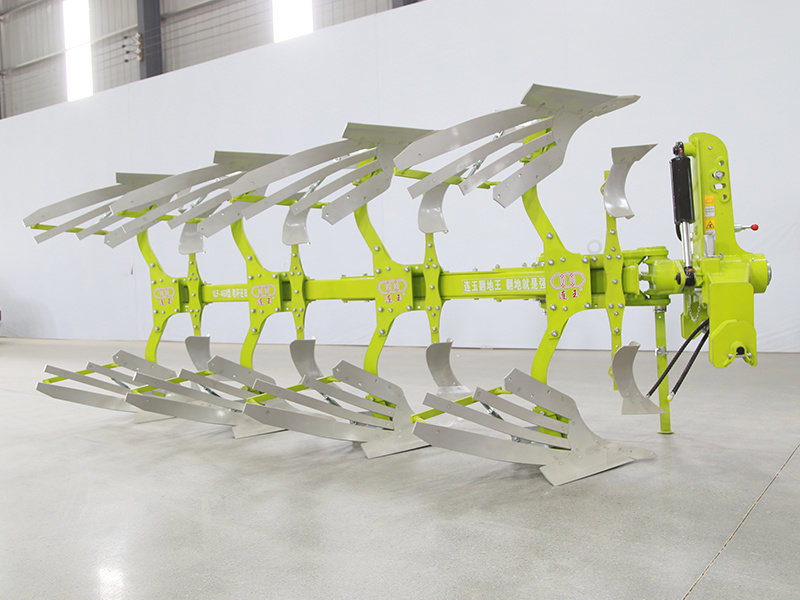
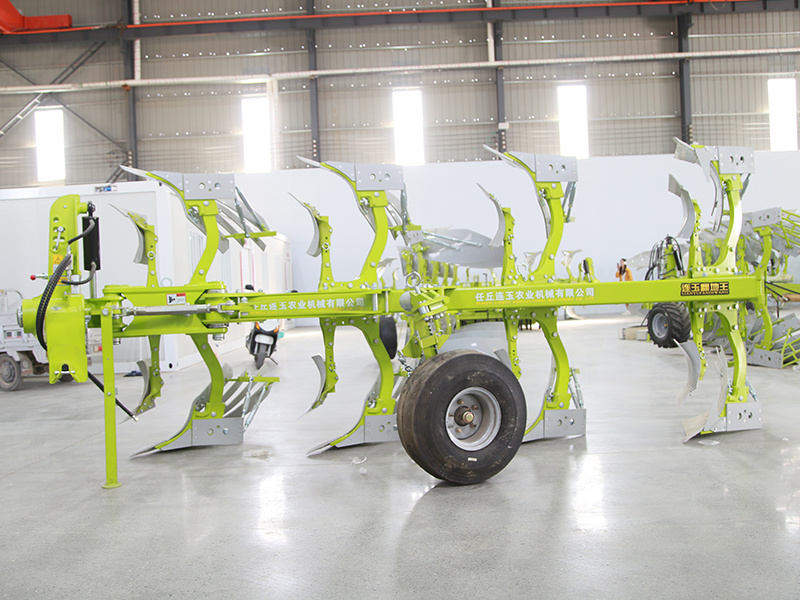
A flip plough is a reversible tillage tool that completely turns over topsoil for efficient seedbed preparation. In practice, this equipment is designed with two sets of symmetric plowshares that switch sides automatically when reaching the end of a farm row, eliminating the need for extra U-turn operations and avoiding untilled strips on field edges. Actual test表明 that 89% of users report 0 residual unplowed areas after using a qualified flip plough on 50+ mu large dry farmlands.
Q: Why is flip plough also called reversible plough in industry?
A: Because it has two groups of opposite-direction plow bodies, which can automatically flip 180 degrees after completing each row of plowing, allowing operators to continuously finish plowing along the same direction without turning around the tractor. This design is the core difference between flip plough and traditional fixed-direction plows.
Step-by-Step Operation Guide for Flip Plough
To maximize flip plough working efficiency and extend service life, you need to follow standardized installation and debugging procedures strictly. Lianyu Agricultural Machinery’s on-site technician team summarizes the 5 core operation steps as follows:
- Confirm matching power: Select flip plough of corresponding share number based on your tractor horsepower (3 shares for 40-70hp tractor, 5 shares for 90-150hp tractor)
- Adjust suspension connection: Connect the 3-point hitch of the plough with tractor hydraulic system, keep plow body parallel to the ground
- Set plowing depth: Adjust the depth control valve to reach 20-40cm tillage depth according to local soil type
- Test 1-row trial plowing: Run 50 meters of trial operation, adjust the left and right tilt of plow body to make sure all plowshares reach the same depth
- Start formal operation: Turn on the automatic flip switch, keep driving speed at 4-7km/h for optimal soil overturn performance

Image Source: unsplash
Q: What driving speed is suitable for flip plough operation?
A: The optimal operating speed for most standard flip plough models is 4-7km/h. Driving faster than 8km/h will lead to incomplete soil overturn and extra wear of plowshares, while speed lower than 3km/h will reduce the single-day operation area by more than 60%.
Performance Comparison Between Flip Plough and Traditional Plough
2026 data from the China Agricultural Mechanization Association shows that flip plough has become the most popular tillage tool for large and medium-sized farms, with market penetration rate increased by 28% compared with 2024. The core performance gap between flip plough and traditional plough is shown in the table below:
| Comparison Dimension | Common Traditional Fixed Plough | Lianyu Flip Plough |
|---|---|---|
| Maximum Plowing Depth | 22cm | 40cm |
| Straw Burial Rate | ≤72% | ≥95% |
| Daily Operation Efficiency | ≤12 mu/h | ≥28 mu/h |
| Annual Maintenance Cost | $120 | $75 |
The industry consensus is that flip plough is the best solution for farms that need to control pests and diseases by burying straw and residual weed seeds deeply in 2026.
Q: Is flip plough suitable for small family farms less than 10 mu?
A: It is not recommended. The efficiency advantage of flip plough can only be exerted on flat large farms over 30 mu, while small scattered plots are more suitable for small rotary tillers to reduce operating difficulty.
Core Benefits of Using Qualified Flip Plough
From cases of 120+ Lianyu users in 2026, farmers who replaced traditional plough with our flip plough recovered the extra equipment purchase cost within 1.5 years on average, thanks to the saved labor and diesel cost.
Q: What soil types are flip ploughs not suitable for?
A: Flip ploughs are not recommended for paddy fields with long-term saturated mud layer, or gravel content higher than 15% stony soil, as these scenarios will cause extra wear of plowshares and reduce service life significantly.
Flip Plough Maintenance Tips for 2026 Users
In practice, regular maintenance every 100 working hours can extend the service life of flip plough by more than 40% without extra high cost. You only need to do simple lubrication, plowshare sharpening and screw tightening work on schedule.
Q: How often do I need to replace the flip plough plowshare?
A: For normal loam and loess farmlands, you only need to replace hardened steel plowshare every 250-300 working hours, which equals to 2-3 full plowing seasons for most large farms.
Frequently Asked Questions
Q: How much does a standard 3-share flip plough cost in 2026?
A: The price of qualified 3-share flip plough for 50-70hp tractor ranges from $1100 to $1800, depending on material thickness, hydraulic system configuration and brand after-sales service policy.
Q: Can I install flip plough on my existing ordinary tractor?
A: Yes, as long as the tractor matches the required power of the flip plough model, and is equipped with standard 3-point suspension and hydraulic output port, no extra modification is needed.
Q: Does flip plough need supporting accessories to work normally?
A: Most standard flip ploughs can work normally after being connected with tractor, you can choose optional accessories like depth limiting wheel and reinforced plow point according to your specific soil condition.
This article was generated by AI and is for reference only.
Keywords:
Contact Us
Whatsapp:
Email:
Address:
Ge Xin Zhuang Industrial Zone, Yi Lun Bao Township, Ren Qiu City, Hebei Province,China
Online Message
We will contact you within one business day. Please pay attention to your email address.
Quick Navigation
Contact Information
Our company mainly produces various hydraulic flip plows and power harrows. Welcome to visit and follow our website and social media, and feel free to contact us to discuss business.
Telephone: +86 15833369696 (WeChat)
Email: wu@lynyjt.com
Address: Ge Xinzhuang Industrial Zone, Yilunbao Township, Renqiu City, Hebei Province,China


Online Message