Gexinzhuang Industrial Zone, Yilunbao Town, Renqiu City, Hebei Province, China



The Anatomy of a Heavy-Duty Flip Plough: What Makes It Exceptional?
2026-08-03
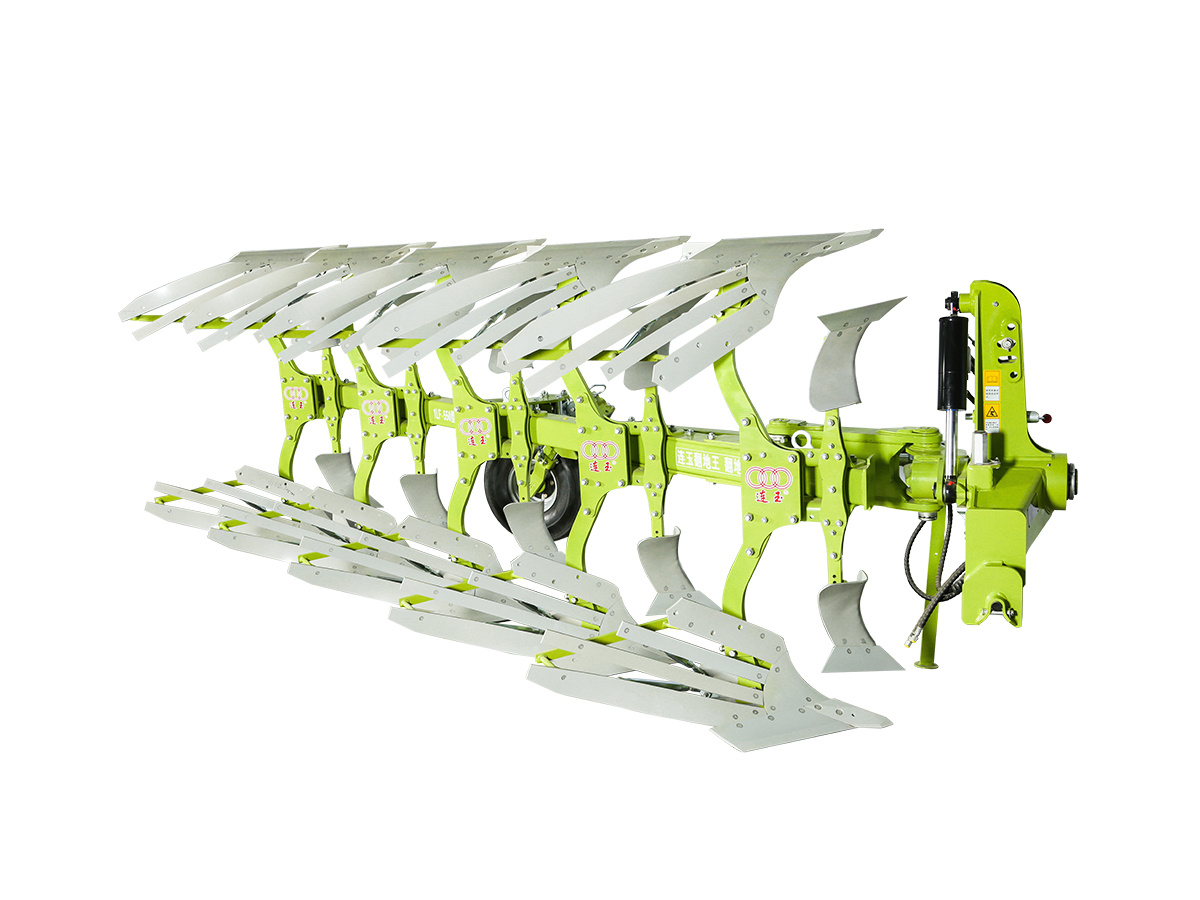
The Anatomy of a Heavy-Duty Flip Plough: What Makes It Exceptional?
Agricultural machinery plays an indispensable role in maximizing productivity and efficiency on farms. Among the various tools available, the **heavy-duty flip plough** stands out due to its effectiveness in soil preparation. In this article, we will explore the various elements that contribute to the **exceptional performance** of heavy-duty flip ploughs, examining their design, functionality, and advantages in modern agriculture.
Table of Contents
1. Introduction to Flip Ploughs
2. Understanding Heavy-Duty Design
3. Core Components of a Flip Plough
4. Mechanical Innovation in Flip Ploughs
5. Advantages of Using a Flip Plough
6. Types of Heavy-Duty Flip Ploughs
7. Maintenance Tips for Flip Ploughs
8. FAQs
9. Conclusion
Introduction to Flip Ploughs
A flip plough is an innovative agricultural tool designed to turn and aerate the soil effectively. Unlike traditional ploughs, which merely break the soil, flip ploughs completely invert the soil layer, which enhances soil health and promotes better crop growth. This characteristic makes them particularly useful in regions with compacted soil or where soil structure needs improvement.
Understanding Heavy-Duty Design
Heavy-duty flip ploughs are engineered to withstand the rigors of intensive farming practices. Their construction generally involves high-grade materials that ensure durability, longevity, and consistent performance even under challenging conditions.
High-Quality Materials
The frame and components of a heavy-duty flip plough are often made from **high-tensile steel**, which provides strength and resilience. This material choice minimizes the risk of wear and ensures the plough can handle the stress associated with tough soil conditions.
Robust Structure
Heavy-duty flip ploughs feature a robust structure designed to endure high loads without deforming. The design typically includes reinforced joints and connections, which are crucial for maintaining stability and effectiveness during operation.
Core Components of a Flip Plough
To understand what makes a heavy-duty flip plough exceptional, it's crucial to delve into its core components. Each part plays a vital role in ensuring efficiency and effectiveness.
Plough Body
The **plough body** is the heart of the flip plough, designed to cut through soil. The shape and design of the body can vary, but they are typically optimized for maximum soil turnover.
Share and Moldboard
The **share** is the cutting edge that penetrates the soil, while the **moldboard** flips the soil over. Together, these components are responsible for achieving the desired depth and soil texture.
Adjustable Skimmers
Adjustable skimmers are essential for managing soil flow. By controlling the amount of soil that is turned, these features help in adapting the plough to different soil types and conditions.
Hitch Mechanism
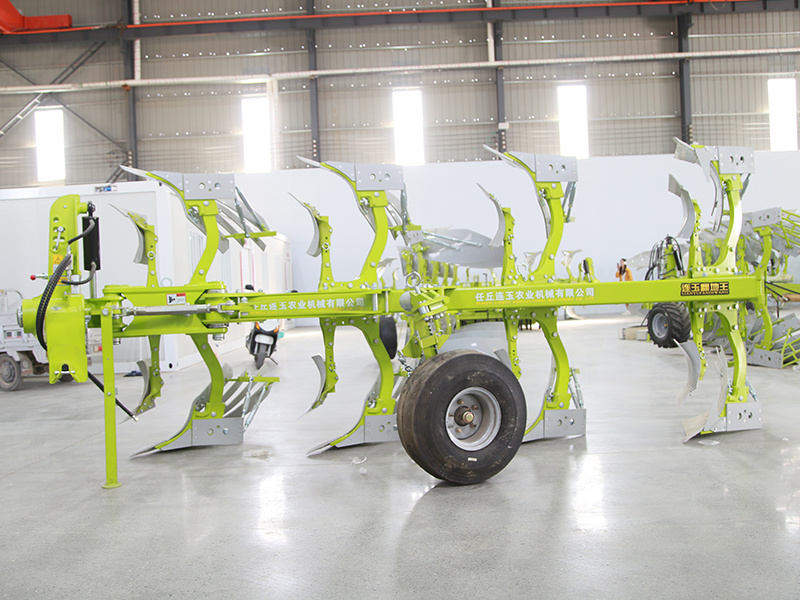
A well-designed hitch mechanism allows for seamless attachment to tractors and other agricultural machinery. This is crucial for efficient operation and maneuverability in the field.
Mechanical Innovation in Flip Ploughs
Recent advancements in **agricultural technology** have significantly improved the functionality of flip ploughs. Innovations have led to features that enhance efficiency and reduce labor costs.
Hydraulic Systems
Many modern heavy-duty flip ploughs incorporate hydraulic systems that enable operators to adjust the plough's depth and angle on-the-go. This feature enhances adaptability to varying soil conditions.
Automated Controls
With the rise of precision agriculture, automated control systems allow farmers to monitor and manage their ploughing operations remotely. This technology increases productivity and minimizes downtime.
Advantages of Using a Flip Plough
Utilizing a heavy-duty flip plough offers numerous advantages that can significantly improve farming outcomes.
Improved Soil Aeration
By completely inverting the soil, flip ploughs promote better air circulation within the soil profile. Improved aeration enhances root development and promotes healthier crops.
Effective Weed Control
Flipping the soil can also aid in controlling weeds. As the plough turns the soil, it buries existing weeds, reducing competition for nutrients and water.
Enhanced Nutrient Mixing
The thorough mixing of topsoil with subsoil allows for better nutrient distribution. This is essential for cultivating crops that require a diverse nutrient profile.
Types of Heavy-Duty Flip Ploughs
Different types of heavy-duty flip ploughs are available, each designed for specific farming needs.
Single-Bottom Flip Plough
Ideal for smaller plots, the **single-bottom flip plough** is easy to maneuver and is suitable for light to moderate soil conditions.
Multi-Bottom Flip Plough
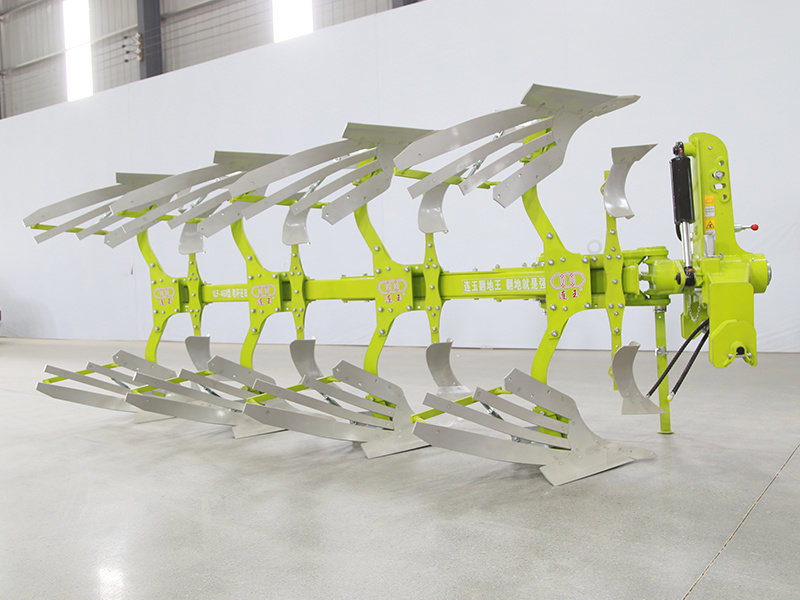
For larger fields, the **multi-bottom flip plough** offers increased efficiency, allowing farmers to cover more ground in less time while maintaining excellent soil turnover.
Reversible Flip Plough
The **reversible flip plough** allows the operator to switch the ploughing direction without having to turn the machine around, saving time and effort, particularly on large fields.
Maintenance Tips for Flip Ploughs
To ensure that a heavy-duty flip plough continues to perform optimally, regular maintenance is essential.
Routine Inspections
Conduct routine inspections to identify wear and tear on components. This proactive approach helps prevent potential breakdowns during crucial farming periods.
Sharpening and Replacing Shares
Keep the shares sharp for efficient soil cutting. Dull shares can lead to increased fuel consumption and reduced ploughing effectiveness.
Lubrication
Regular lubrication of pivot points and moving parts will help reduce friction and extend the lifespan of the machinery.
FAQs
1. What is the primary purpose of a flip plough?
The primary purpose of a flip plough is to turn and aerate the soil, enhancing soil structure and promoting better crop growth.
2. How does a heavy-duty flip plough differ from a standard plough?
Heavy-duty flip ploughs are constructed from high-quality materials and designed for intensive use, making them more durable than standard ploughs.
3. Can flip ploughs be used in all soil types?
Yes, flip ploughs can be used in various soil types, but adjustments may be needed to optimize performance based on soil conditions.
4. How often should I maintain my flip plough?
Routine maintenance should be conducted before and after each farming season, with regular checks throughout the season to ensure optimal performance.
5. Are heavy-duty flip ploughs environmentally friendly?
Yes, flip ploughs can contribute to sustainable farming practices by improving soil health and reducing the need for chemical herbicides.
Conclusion
The heavy-duty flip plough is a remarkable piece of agricultural machinery that combines strength, innovation, and efficiency. Understanding its anatomy and the benefits it offers can help farmers make informed decisions that lead to improved crop yields and sustainable farming practices. By investing in a heavy-duty flip plough, farmers can enhance soil health, streamline operations, and ultimately contribute to the future of agriculture.
Keywords:
Contact Us
Whatsapp:
Email:
Address:
Ge Xin Zhuang Industrial Zone, Yi Lun Bao Township, Ren Qiu City, Hebei Province,China
Online Message
We will contact you within one business day. Please pay attention to your email address.
Quick Navigation
Contact Information
Our company mainly produces various hydraulic flip plows and power harrows. Welcome to visit and follow our website and social media, and feel free to contact us to discuss business.
Telephone: +86 15833369696 (WeChat)
Email: wu@lynyjt.com
Address: Ge Xinzhuang Industrial Zone, Yilunbao Township, Renqiu City, Hebei Province,China


Online Message