Gexinzhuang Industrial Zone, Yilunbao Town, Renqiu City, Hebei Province, China



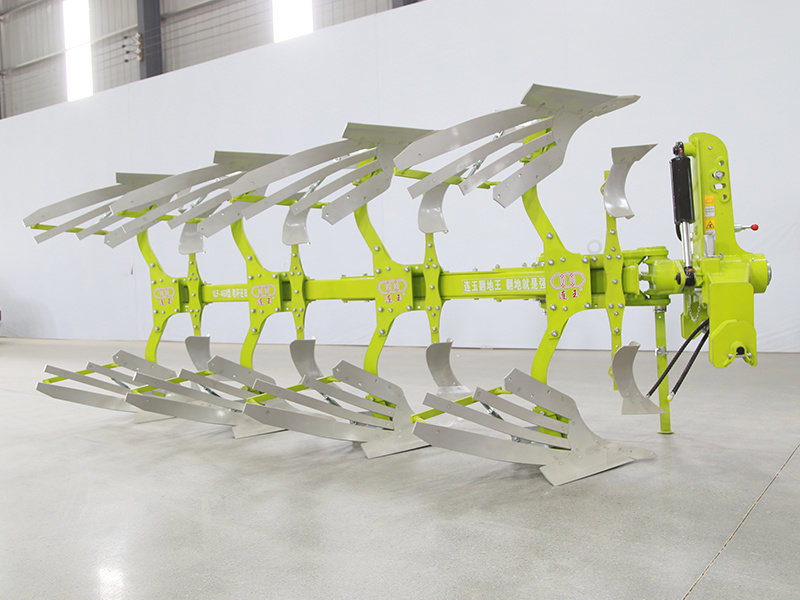
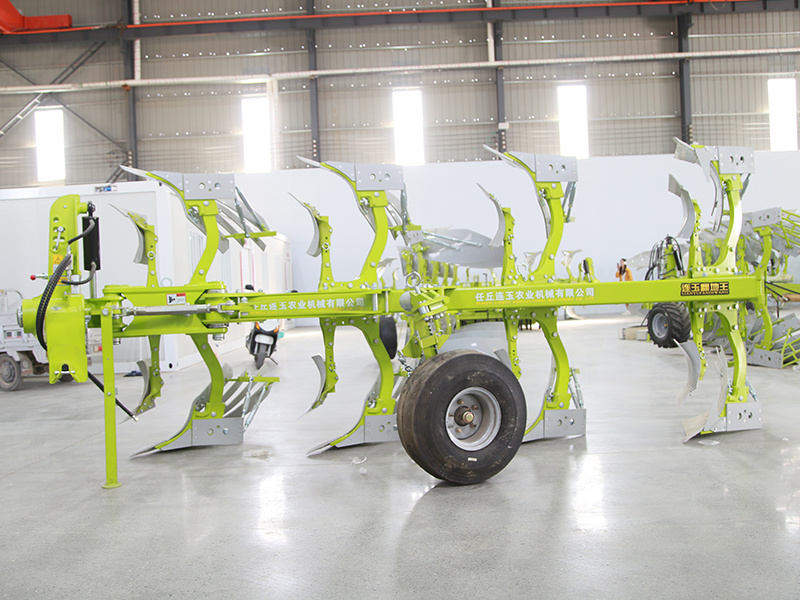
Maximizing Soil Health and Efficiency with Tractor Flip Ploughs
2026-07-29
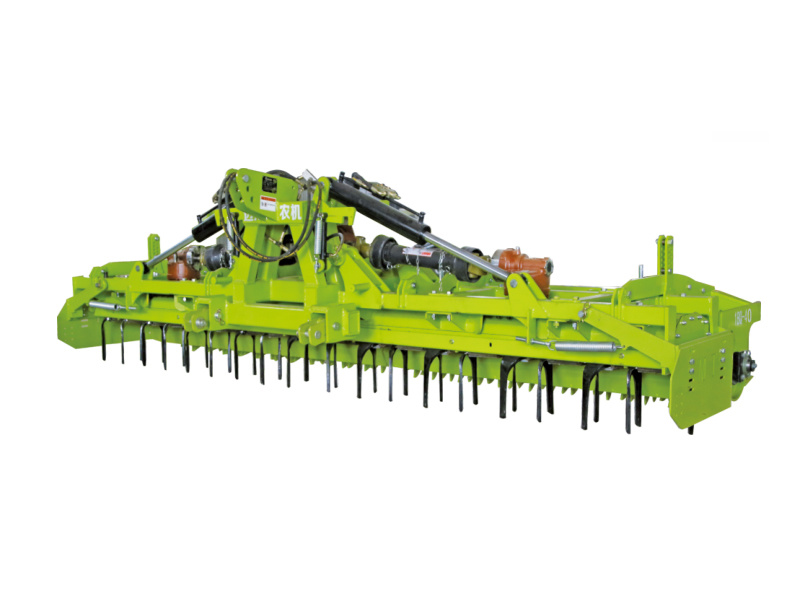
One of the primary benefits of using a tractor flip plough is its ability to mix different layers of soil. This mixing process helps to incorporate organic matter and nutrients from the surface into deeper layers, promoting a more uniform distribution of essential elements. Additionally, the turning action of the plough helps in breaking up compacted soil, which improves drainage and root penetration.
When it comes to operational techniques, proper adjustment and maintenance of the tractor flip plough are crucial for its performance. Farmers should ensure that the plough is set at the right depth according to the soil type and moisture levels. A deeper cut may be necessary for compacted or clay-heavy soils, while shallower cuts can suffice for sandy or loamy soils. Regular maintenance, including checking the blades for wear and adjusting the plough's angle, can greatly enhance its efficiency and longevity.
Moreover, employing the tractor flip plough in a strategic rotation system can lead to sustainable farming practices. By alternating the cultivation of different crops, farmers can help prevent soil depletion and reduce pest pressures. This technique not only contributes to better soil health but also aligns with modern sustainable agriculture principles.
In terms of the impact on crop yields, many farmers report a marked improvement after incorporating tractor flip ploughing into their farming routine. The enhanced aeration and nutrient mixing create a fertile environment where crops can thrive. Additionally, the reduced soil compaction allows for better water infiltration, which is critical during dry spells.
In conclusion, the tractor flip plough stands out as an invaluable tool for modern farmers aiming to enhance soil health and achieve efficient agricultural practices. By understanding its operational techniques and best practices, farmers can maximize the benefits of this equipment, leading to improved crop yields and sustainable farming outcomes. As agriculture continues to evolve, integrating innovative equipment like the tractor flip plough will remain essential in meeting the challenges of food production in a sustainable manner.
Keywords:
Contact Us
Whatsapp:
Email:
Address:
Ge Xin Zhuang Industrial Zone, Yi Lun Bao Township, Ren Qiu City, Hebei Province,China
Online Message
We will contact you within one business day. Please pay attention to your email address.
Quick Navigation
Contact Information
Our company mainly produces various hydraulic flip plows and power harrows. Welcome to visit and follow our website and social media, and feel free to contact us to discuss business.
Telephone: +86 15833369696 (WeChat)
Email: wu@lynyjt.com
Address: Ge Xinzhuang Industrial Zone, Yilunbao Township, Renqiu City, Hebei Province,China


Online Message