Gexinzhuang Industrial Zone, Yilunbao Town, Renqiu City, Hebei Province, China



The Future of Farming: Integrating Switch Plough Technology into Your Operations
2026-10-05
The Future of Farming: Integrating Switch Plough Technology into Your Operations
Table of Contents
1. Understanding Switch Plough Technology
2. The Importance of Modern Farming Techniques
3. Benefits of Integrating Switch Ploughs
3.1 Enhanced Soil Health
3.2 Increased Efficiency and Productivity
3.3 Cost-Effective Operations
4. Key Features of Switch Ploughs
5. Implementation Strategies for Switching to Switch Plough Technology
5.1 Assessing Your Farm's Needs
5.2 Training Your Workforce
5.3 Gradual Transitioning
6. Case Studies: Successful Integration of Switch Plough Technology
7. The Future of Agricultural Technology
8. Frequently Asked Questions (FAQs)
9. Conclusion
1. Understanding Switch Plough Technology
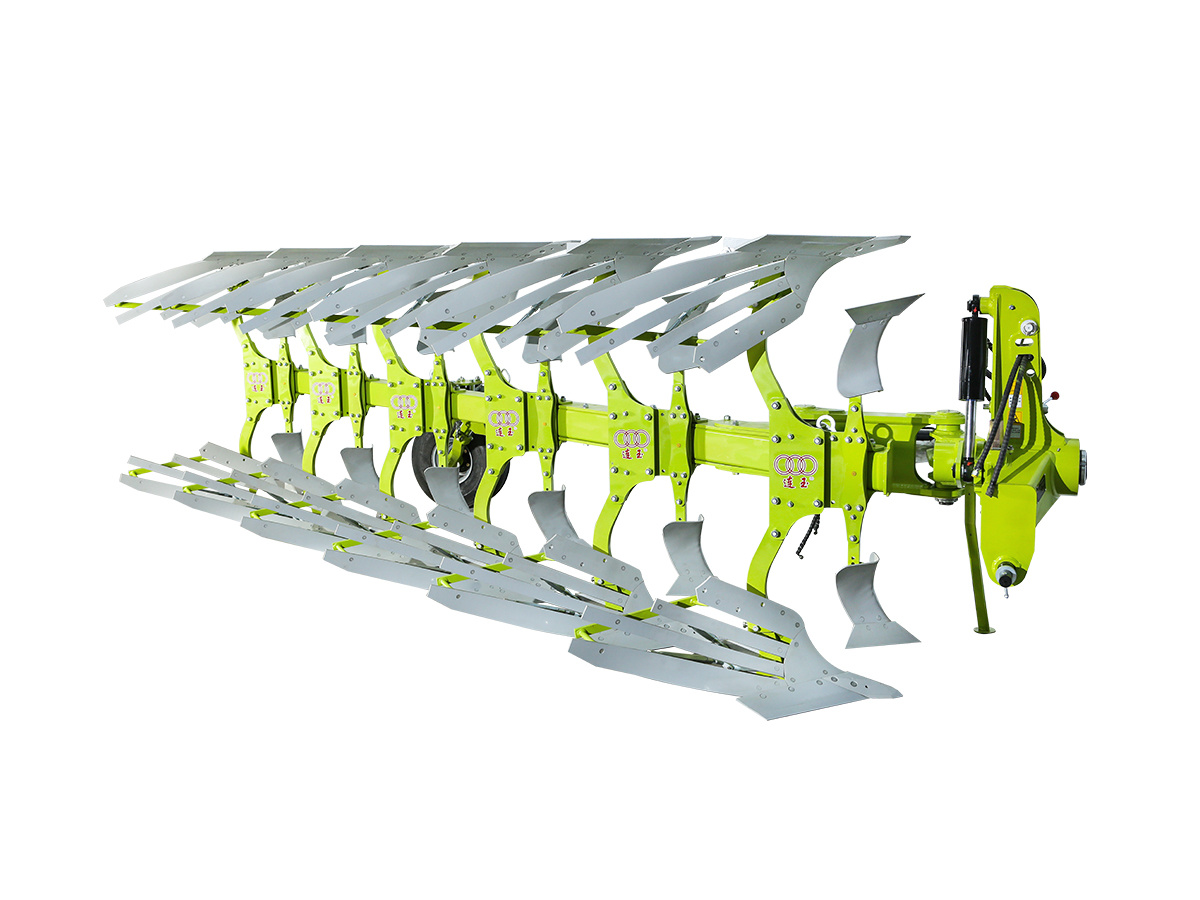
Switch Plough technology represents a significant advancement in agricultural equipment design, aimed at enhancing the efficiency and effectiveness of soil cultivation. Unlike traditional ploughs, which require manual adjustments or multiple passes for different soil conditions, switch ploughs allow operators to alter their working position with a simple switch. This innovation fosters better soil management and promotes sustainable farming practices.
2. The Importance of Modern Farming Techniques
In today's fast-paced agricultural environment, adopting modern farming techniques is not just beneficial—it’s essential. The push for sustainability, increased food production, and efficient resource management places pressure on farmers to continually seek innovative solutions. The integration of technologies like switch ploughs assists in meeting these demands while addressing environmental concerns.
3. Benefits of Integrating Switch Ploughs
Integrating switch plough technology can yield numerous advantages for farming operations, providing both immediate results and long-term benefits.
3.1 Enhanced Soil Health
Switch ploughs promote improved soil aeration and structure by minimizing soil compaction. Better soil health translates to increased biodiversity, which is crucial for crop productivity. Furthermore, maintaining soil integrity reduces erosion, preserving valuable topsoil for future generations.
3.2 Increased Efficiency and Productivity
With their ability to switch positions quickly, switch ploughs significantly reduce the time spent on land preparation. This efficiency enables farmers to cover more ground in a shorter period, leading to increased productivity. The faster turnaround between crop cycles allows for the double-cropping of certain fields, enhancing overall yield.
3.3 Cost-Effective Operations
While the initial investment in switch plough technology may be substantial, the long-term savings associated with fuel, labor, and maintenance costs can be significant. Reduced passes over the field mean less fuel consumption, while improved soil health can lead to lower fertilizer and pesticide usage.
4. Key Features of Switch Ploughs
Understanding the features that differentiate switch ploughs from traditional ploughs can help farmers make informed decisions. Key features include:
- **Automatic Adjustment Mechanism:** Switch ploughs feature systems that enable operators to change the working position without stopping the machine, enhancing workflow efficiency.
- **Durable Construction:** Built to withstand harsh field conditions, these ploughs often utilize high-strength materials that extend their operational lifespan.
- **Versatility:** Suitable for various soil types and conditions, switch ploughs can be effectively used for different crops and farming systems.
5. Implementation Strategies for Switching to Switch Plough Technology
Implementing switch plough technology requires careful planning and strategy to ensure a smooth transition.
5.1 Assessing Your Farm's Needs
Before investing in new equipment, it’s vital to assess the specific needs of your farm. Consider factors such as soil type, crop rotation, and existing equipment compatibility. Evaluating these elements will help in selecting the right switch plough model that aligns with your operational goals.
5.2 Training Your Workforce
To maximize the benefits of switch plough technology, training your workforce is essential. Proper instruction on equipment operation, maintenance, and safety protocols will ensure that your team is prepared to handle the new technology effectively.
5.3 Gradual Transitioning
Rather than a complete overhaul of your current practices, consider a gradual transition to switch plough technology. Start by integrating a few units into your operations and evaluate their performance before scaling up. This phased approach will minimize disruptions and allow for adjustments based on initial outcomes.
6. Case Studies: Successful Integration of Switch Plough Technology
Several farming operations have successfully integrated switch plough technology, demonstrating its effectiveness in real-world scenarios. For instance, a mid-sized farm in the Midwest switched to using switch ploughs and reported a 30% increase in efficiency during the planting season. Another case study from a large agricultural enterprise highlighted a significant reduction in soil erosion and improved crop yields due to better soil management practices.
7. The Future of Agricultural Technology
The advent of technologies like switch ploughs is just the beginning of a broader trend towards automation and smart farming in agriculture. The future holds exciting advancements, including precision agriculture tools powered by artificial intelligence and machine learning. These innovations promise to enhance decision-making processes, optimize resource allocation, and ultimately revolutionize farming as we know it.
8. Frequently Asked Questions (FAQs)
8.1 What is a switch plough?
A switch plough is an advanced type of plough that allows operators to quickly change the working position, improving efficiency and soil management.
8.2 How does switch plough technology benefit soil health?
Switch ploughs reduce soil compaction and promote better aeration, which enhances soil health and biodiversity.
8.3 Are switch ploughs suitable for all types of crops?
Yes, switch ploughs are versatile and can be effectively used for various crops and soil types.
8.4 What is the cost of integrating switch plough technology?
While initial costs may be high, long-term savings in labor, fuel, and maintenance make switch ploughs a cost-effective option.
8.5 How can farmers ensure a successful transition to switch plough technology?
Farmers can ensure success by assessing their needs, training their workforce, and implementing a gradual transition strategy.
9. Conclusion
Integrating switch plough technology into farming operations presents a transformative opportunity for agricultural efficiency and sustainability. As we embrace modern techniques and innovations in farming, the switch plough stands out as a pivotal tool that not only increases productivity but also fosters healthier soil and sustainable practices. By taking strategic steps to implement this technology, farmers can ensure their operations remain competitive in an ever-evolving industry. With the right approach, the future of farming can be both profitable and sustainable.
Keywords:


Contact Us
Whatsapp:
Email:
Address:
Ge Xin Zhuang Industrial Zone, Yi Lun Bao Township, Ren Qiu City, Hebei Province,China
Online Message
We will contact you within one business day. Please pay attention to your email address.
Quick Navigation
Contact Information
Our company mainly produces various hydraulic flip plows and power harrows. Welcome to visit and follow our website and social media, and feel free to contact us to discuss business.
Telephone: +86 15833369696 (WeChat)
Email: wu@lynyjt.com
Address: Ge Xinzhuang Industrial Zone, Yilunbao Township, Renqiu City, Hebei Province,China


Online Message