Gexinzhuang Industrial Zone, Yilunbao Town, Renqiu City, Hebei Province, China



Comparing Heavy-Duty Flip Ploughs with Traditional Plowing Methods: Which is Right for Your Farm?
2026-09-25

Comparing Heavy-Duty Flip Ploughs with Traditional Plowing Methods
In the realm of agriculture, the choice of plowing method plays a crucial role in determining the success of crop production. As farmers strive for efficiency, sustainability, and profitability, the debate between heavy-duty flip ploughs and traditional plowing methods continues to gain prominence. This article will delve deep into the key differences, benefits, and drawbacks of both methods, providing a thorough comparison to assist you in making the best decision for your farming operations.
Table of Contents
- Understanding the Basics of Plowing
- What is a Heavy-Duty Flip Plough?
- Traditional Plowing Methods Explained
- Advantages of Heavy-Duty Flip Ploughs
- Disadvantages of Heavy-Duty Flip Ploughs
- Benefits of Traditional Plowing Methods
- Drawbacks of Traditional Plowing Methods
- Evaluating Soil Health and Sustainability
- Cost Analysis and Return on Investment
- Making the Right Choice for Your Farm
- FAQs
Understanding the Basics of Plowing
Plowing is a fundamental agricultural practice that involves turning over the upper layer of soil, bringing nutrients to the surface, and preparing it for planting. This process helps reduce weeds, aerate the soil, and create a suitable environment for root growth. However, the method of plowing can significantly impact the soil's health and productivity.
What is a Heavy-Duty Flip Plough?
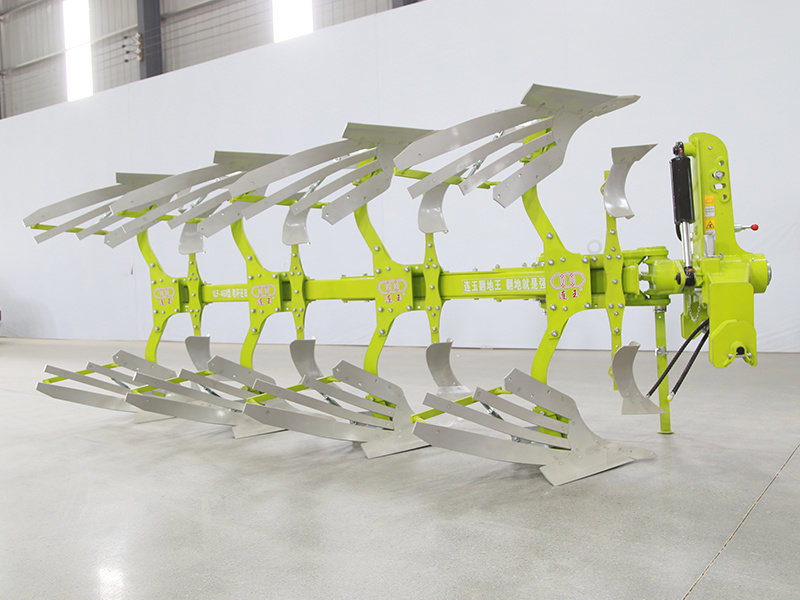
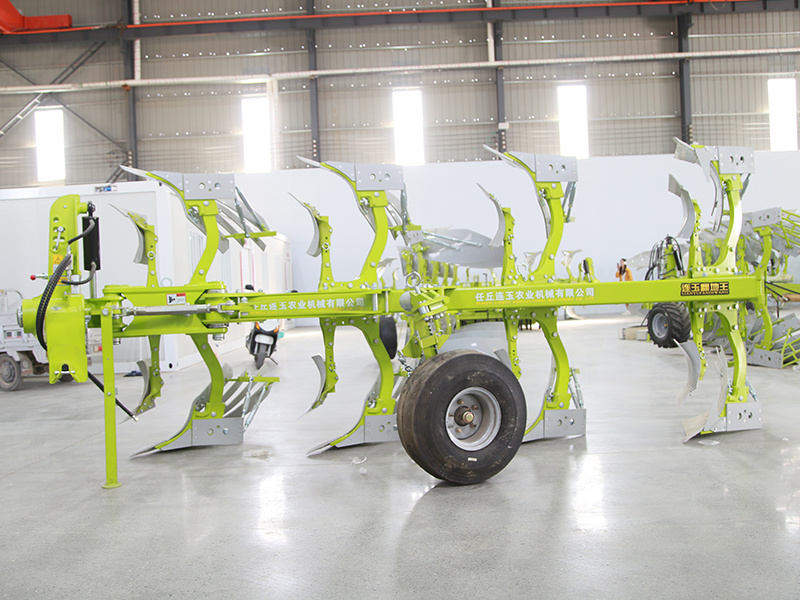
A heavy-duty flip plough is a specialized agricultural implement designed to handle tough soil conditions efficiently. These ploughs are equipped with robust blades that can penetrate compacted soils, allowing for deeper tillage. The unique feature of a flip plough is its ability to turn the soil over completely, burying weeds and crop residues effectively. Additionally, heavy-duty flip ploughs are often used in large-scale farming operations due to their efficiency and speed.
Traditional Plowing Methods Explained
Traditional plowing methods include moldboard plowing, chisel plowing, and disc plowing. Moldboard plowing involves lifting and turning the soil, while chisel plowing penetrates the soil without turning it over completely, preserving soil structure. Disc plowing uses angled discs to cut through the soil and is effective for breaking up compacted layers. Each method has its benefits, but they generally require more labor and time compared to modern alternatives like the heavy-duty flip plough.
Advantages of Heavy-Duty Flip Ploughs
Heavy-duty flip ploughs offer several significant advantages over traditional methods:
1. Improved Efficiency
Heavy-duty flip ploughs can cover larger areas in less time, making them an efficient choice for large-scale farms. Their design allows for quicker turnaround times during the planting season, enabling farmers to maximize productivity.
2. Soil Aeration and Structure Enhancement
These ploughs effectively aerate the soil, breaking up compacted layers and improving water infiltration. This results in healthier soil structure and promotes better root growth for crops.
3. Effective Weed Control
By completely turning over the soil, heavy-duty flip ploughs achieve superior weed control. Burying weeds reduces their chances of germination and competition with crops, leading to higher yields.
4. Versatility
Heavy-duty flip ploughs can handle various soil types and conditions, making them suitable for a wide range of crops. Whether dealing with clay, loam, or sandy soils, these ploughs can adapt to meet the demands of diverse farming operations.
Disadvantages of Heavy-Duty Flip Ploughs
Despite their advantages, heavy-duty flip ploughs come with some drawbacks:
1. Higher Initial Investment
The cost of purchasing a heavy-duty flip plough is generally higher than traditional plowing equipment. This initial investment may be a barrier for smaller farms or those with tight budgets.
2. Soil Disruption
While deep tillage can have benefits, excessive soil disturbance may lead to erosion and loss of organic matter. Farmers must consider the long-term impact on soil health when using heavy-duty ploughs.
3. Maintenance Requirements
Heavy-duty machinery often requires regular maintenance to ensure optimal performance. This can involve additional costs and time for farmers, particularly those who manage multiple pieces of equipment.
Benefits of Traditional Plowing Methods
Traditional plowing methods also have their unique advantages:
1. Lower Initial Costs
Investing in traditional plowing equipment is typically more affordable than purchasing heavy-duty machinery. This makes it an attractive option for smaller farms or those just starting in agriculture.
2. Soil Preservation
Methods like chisel plowing minimize soil disturbance, helping preserve soil structure and organic matter. This can lead to improved long-term soil health and sustainability.
3. Simplicity of Use
Traditional plowing methods often require less complex machinery, making them easier to operate and maintain. Farmers with limited experience may find these methods more accessible.
Drawbacks of Traditional Plowing Methods
While traditional methods have their benefits, they also come with certain limitations:
1. Time-Consuming
Traditional plowing methods can be labor-intensive and time-consuming, especially on larger fields. This can delay planting schedules and reduce overall efficiency.
2. Weaker Weed Control
Compared to heavy-duty flip ploughs, traditional methods may not effectively control weeds, leading to increased competition for nutrients and water among crops.
3. Limited Depth of Tillage
Some traditional methods may not penetrate deeply enough to address compacted soil layers, which can hinder root growth and water access for crops.
Evaluating Soil Health and Sustainability
When comparing heavy-duty flip ploughs and traditional plowing methods, soil health and sustainability should be a top priority. Over-tillage can lead to soil degradation, while under-tillage may not adequately prepare the seedbed. Each farmer must evaluate their soil type, crop requirements, and long-term goals to choose the most sustainable plowing method.
Cost Analysis and Return on Investment
Conducting a cost analysis is essential when deciding between heavy-duty flip ploughs and traditional plowing methods. Consider the initial investment, ongoing maintenance costs, labor requirements, and potential yield outcomes. Weighing these factors will help you determine which method offers the best return on investment for your farming operation.
Making the Right Choice for Your Farm
Ultimately, the decision to use heavy-duty flip ploughs or traditional plowing methods depends on your specific farming needs, budget, and goals. Assessing your soil conditions, crop types, and future plans can guide you in choosing the most effective method for your agricultural endeavors. It may also be worthwhile to experiment with both approaches on a small scale to see firsthand which works best for your operation.
FAQs
1. What type of soil is best for heavy-duty flip ploughs?
Heavy-duty flip ploughs are effective in various soil types, including clay, sandy, and loamy soils, particularly when compaction is an issue.
2. How deep can heavy-duty flip ploughs till the soil?
These ploughs can typically till to a depth of 10 to 12 inches, depending on the specific model and soil conditions.
3. Can traditional plowing methods be effective in modern farming?
Yes, traditional plowing methods can still be effective, particularly for small-scale operations or in regions where soil conservation practices are prioritized.
4. What is the lifespan of heavy-duty flip ploughs?
With proper maintenance, heavy-duty flip ploughs can have a lifespan of 10 years or more, depending on usage and environmental conditions.
5. How do I maintain my plowing equipment?
Regular maintenance includes checking for wear and tear, lubricating moving parts, and ensuring blades are sharp and effective for optimal performance.
Conclusion
In conclusion, the choice between heavy-duty flip ploughs and traditional plowing methods hinges on various factors, including efficiency, soil health, cost, and the specific needs of your farming operation. Understanding the pros and cons of each method will empower you to make an informed decision that enhances productivity and sustainability on your farm. By carefully evaluating your unique circumstances, you can confidently choose the plowing method that aligns with your agricultural goals.
Keywords:
Previous Page
Contact Us
Whatsapp:
Email:
Address:
Ge Xin Zhuang Industrial Zone, Yi Lun Bao Township, Ren Qiu City, Hebei Province,China
Online Message
We will contact you within one business day. Please pay attention to your email address.
Quick Navigation
Contact Information
Our company mainly produces various hydraulic flip plows and power harrows. Welcome to visit and follow our website and social media, and feel free to contact us to discuss business.
Telephone: +86 15833369696 (WeChat)
Email: wu@lynyjt.com
Address: Ge Xinzhuang Industrial Zone, Yilunbao Township, Renqiu City, Hebei Province,China


Online Message