Gexinzhuang Industrial Zone, Yilunbao Town, Renqiu City, Hebei Province, China



Enhancing Soil Health with Switch Ploughs: A Comprehensive Guide
2026-08-13
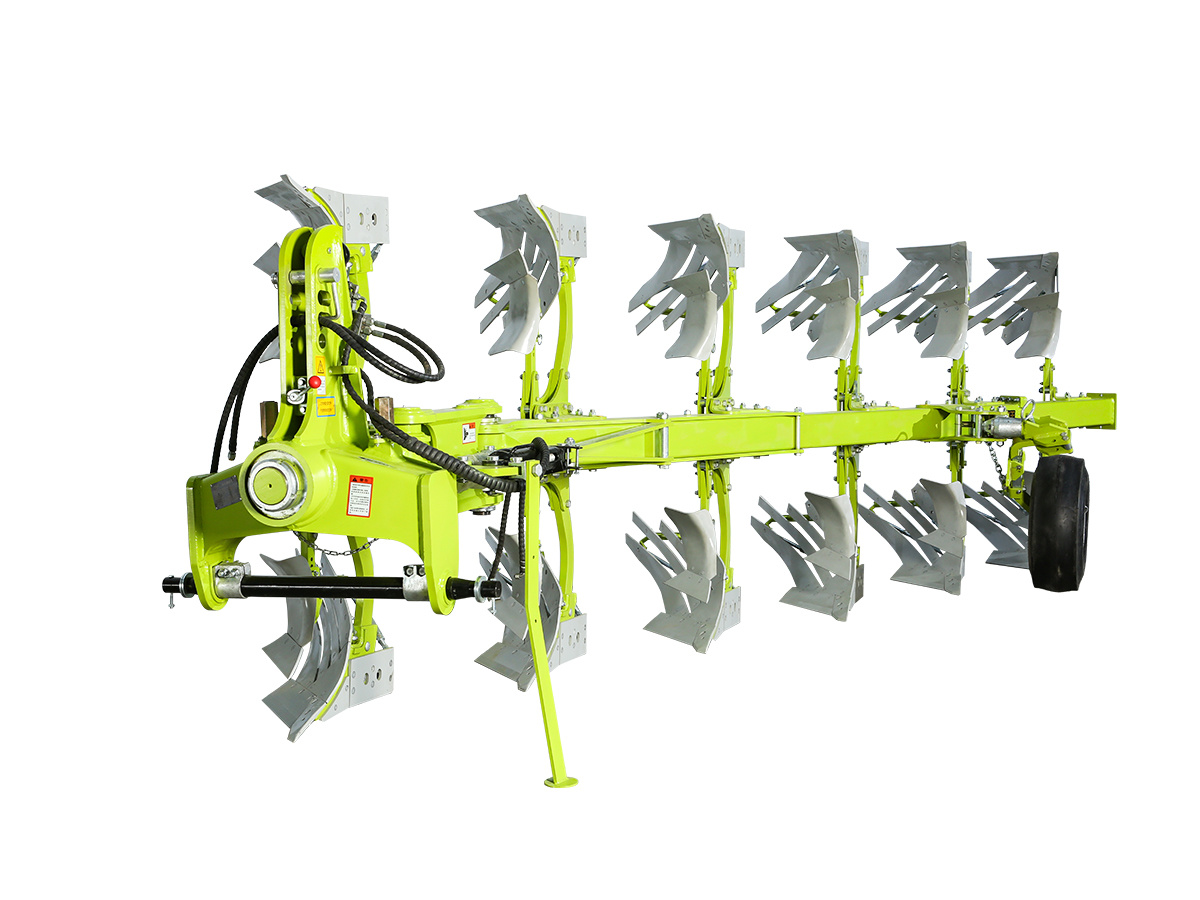
Enhancing Soil Health with Switch Ploughs: A Comprehensive Guide
Table of Contents
1. Introduction to Switch Ploughs
2. Understanding Soil Health
3. The Role of Switch Ploughs in Soil Management
4. Benefits of Using Switch Ploughs
4.1 Increased Soil Aeration
4.2 Improved Water Retention
4.3 Enhanced Nutrient Availability
5. How to Operate a Switch Plough
5.1 Choosing the Right Equipment
5.2 Preparing the Soil for Ploughing
5.3 Operating Techniques for Optimal Results
6. Best Practices for Soil Health Enhancement
7. Real-World Case Studies
8. FAQs about Switch Ploughs and Soil Health
9. Conclusion
1. Introduction to Switch Ploughs
Switch ploughs are versatile agricultural tools designed to improve soil management practices. By allowing farmers to turn soil more efficiently, these ploughs significantly enhance the quality of the soil, creating optimal conditions for crop growth. This guide sheds light on the mechanics of switch ploughs, their operational procedures, and how they contribute to healthier soil ecosystems.
2. Understanding Soil Health
Soil health is a critical component of sustainable agriculture. It encompasses the physical, chemical, and biological properties of the soil, impacting plant growth and crop yields. Healthy soil supports diverse microorganisms that contribute to nutrient cycling and soil structure. Understanding these properties aids in selecting appropriate farming techniques, including the use of switch ploughs, to promote sustainable practices.
3. The Role of Switch Ploughs in Soil Management
Switch ploughs play a vital role in soil management by enabling farmers to mix and aerate the soil effectively. This mixing process helps incorporate organic matter and nutrients into the top layers, enhancing the soil structure and promoting healthy root development for crops. With their ability to switch from one furrow to another efficiently, these ploughs minimize soil compaction and promote a balanced soil ecosystem.
4. Benefits of Using Switch Ploughs
Switch ploughs come with a myriad of benefits that significantly enhance soil health.
4.1 Increased Soil Aeration
One of the primary benefits of using switch ploughs is improved soil aeration. The design of the plough allows for deeper penetration into the soil, facilitating better air circulation. This aeration leads to a healthier root system as plants require adequate oxygen for optimal growth.
4.2 Improved Water Retention
Switch ploughs enhance the soil's ability to retain moisture. By loosening compacted soil, they create a structure that holds water better. This is especially crucial in periods of drought, where water conservation is paramount for crop survival.
4.3 Enhanced Nutrient Availability
The action of switch ploughs helps in mixing organic materials into the soil, which increases the availability of essential nutrients. As organic matter decomposes, it releases nutrients that are vital for plant growth, making switch ploughing an excellent technique for soil fertility enhancement.
5. How to Operate a Switch Plough
Operating a switch plough effectively requires understanding the equipment and the soil characteristics. Here we outline essential steps for optimal use.
5.1 Choosing the Right Equipment
Selecting the appropriate switch plough model is crucial. Consider factors like soil type, the size of the field, and the crops being cultivated. Matching the plough size to the tractor's horsepower ensures optimal performance.
5.2 Preparing the Soil for Ploughing
Before ploughing, ensure the soil is moderately moist, as overly wet or dry soil can lead to poor ploughing results. Conducting a soil test can provide insights into nutrient levels and help in planning the ploughing process accordingly.
5.3 Operating Techniques for Optimal Results
When operating a switch plough, maintain a consistent speed to ensure even ploughing depth. Engage the plough gradually, allowing it to penetrate the soil effectively. Switching from one side to the other should be smooth to avoid disrupting the soil structure.
6. Best Practices for Soil Health Enhancement
To maximize the benefits of switch ploughs, adhere to these best practices:
- **Crop Rotation:** Implement crop rotation to improve soil diversity and health.
- **Cover Crops:** Utilize cover crops during the off-season to prevent soil erosion and improve organic matter.
- **Regular Soil Testing:** Conduct periodic soil tests to monitor nutrient levels and adjust your fertilization strategies accordingly.
7. Real-World Case Studies
Several farmers worldwide have successfully integrated switch ploughs into their farming practices, leading to remarkable improvements in soil health and crop yield. For instance, a case study in the Midwest USA showed that farmers using switch ploughs observed a 20% increase in corn yields compared to traditional ploughing methods. Similarly, in Southeast Asia, farmers reported enhanced water retention and reduced erosion rates, further emphasizing the effectiveness of switch ploughing in diverse agricultural settings.
8. FAQs about Switch Ploughs and Soil Health
**Q1: What type of soil is best suited for switch ploughing?**
A: Switch ploughs are effective on a variety of soil types, but they perform best in loamy soils, which balance sand, silt, and clay content.
**Q2: How deep can a switch plough go?**
A: Depending on the model and the tractor's capabilities, switch ploughs can typically reach depths of 6–12 inches.
**Q3: Can switch ploughs be used in wet conditions?**
A: It's advisable to avoid using switch ploughs in overly wet conditions, as this can lead to soil compaction and poor ploughing results.
**Q4: How often should I use a switch plough?**
A: Frequency depends on your crop rotation and soil health needs, but typically annual use is recommended for maintaining soil structure.
**Q5: Are there any downsides to using switch ploughs?**
A: While switch ploughs offer numerous benefits, they may require a higher initial investment and more skill to operate effectively compared to conventional ploughs.
9. Conclusion
Switch ploughs represent a significant advancement in agricultural practices aimed at enhancing soil health. By understanding their benefits and implementing best practices, farmers can improve soil aeration, water retention, and nutrient availability, ultimately leading to higher crop yields. As sustainable agriculture becomes increasingly important, adopting innovative techniques like switch ploughing will be vital for ensuring the health and productivity of our soils for future generations. Embrace these practices today to contribute to a more sustainable agricultural landscape.
Keywords:

Contact Us
Whatsapp:
Email:
Address:
Ge Xin Zhuang Industrial Zone, Yi Lun Bao Township, Ren Qiu City, Hebei Province,China
Online Message
We will contact you within one business day. Please pay attention to your email address.
Quick Navigation
Contact Information
Our company mainly produces various hydraulic flip plows and power harrows. Welcome to visit and follow our website and social media, and feel free to contact us to discuss business.
Telephone: +86 15833369696 (WeChat)
Email: wu@lynyjt.com
Address: Ge Xinzhuang Industrial Zone, Yilunbao Township, Renqiu City, Hebei Province,China


Online Message