Gexinzhuang Industrial Zone, Yilunbao Town, Renqiu City, Hebei Province, China



The Role of Land Plowing Equipment in Sustainable Farming Practices
2026-07-14

The Role of Land Plowing Equipment in Sustainable Farming Practices
Introduction to Sustainable Farming
Sustainable farming is not just a trend; it is a necessity in today’s world. As the global population continues to rise, the demand for food increases, necessitating practices that are both efficient and environmentally friendly. **Land plowing equipment** plays a crucial role in achieving these sustainable practices. By understanding its significance, farmers can adopt methods that improve soil health, enhance crop yields, and ensure environmental preservation.
Understanding Land Plowing Equipment
Land plowing equipment encompasses a range of tools and machines designed to prepare soil for planting crops. This includes traditional plows as well as modern machinery like rotary tillers and disc harrows. Each piece of equipment serves a specific purpose in soil management, facilitating the growth of healthy crops.
The Importance of Soil Health in Sustainable Agriculture
Soil is the foundation of farming. Healthy soil is rich in nutrients and organic matter, supporting plant growth and increasing resilience against pests and diseases. Land plowing equipment enhances soil health through the following ways:
- **Aeration**: Proper plowing allows air to penetrate the soil, which is vital for root respiration and microbial activity.
- **Nutrient Mixing**: Plowing incorporates organic matter and fertilizers into the soil, ensuring that nutrients are evenly distributed.
- **Weed Management**: Effective plowing disrupts weed growth, reducing competition for nutrients and water.
Types of Land Plowing Equipment
To understand how land plowing equipment contributes to sustainable farming, it’s essential to explore the various types available.
1. Traditional Plows
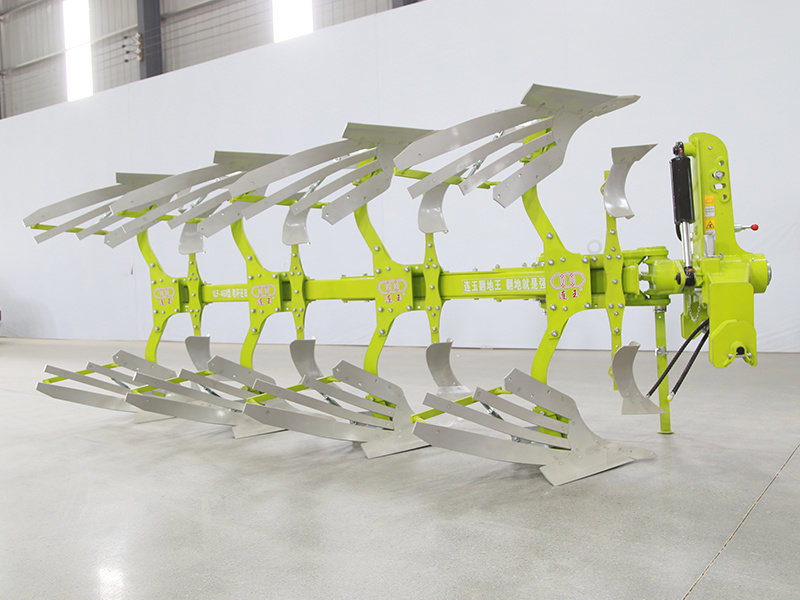
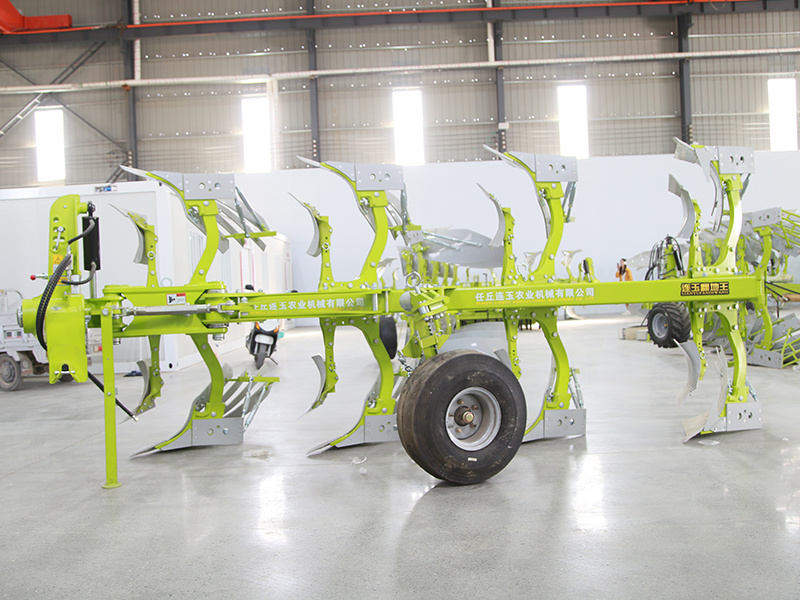
Traditional plows, such as moldboard plows, have been used for centuries. They flip the soil to bury weeds and crop residue, promoting decay and enriching the soil. However, they can also lead to soil erosion if not managed properly.
2. Rotary Tillers
Rotary tillers break up the soil into fine particles, creating a seedbed that is ideal for planting. They are particularly effective in small-scale farming and gardens, where precision is key.
3. Disc Harrows
Disc harrows are used to break up soil clumps and mix crop residue into the soil. They are highly effective at preparing soil for planting, ensuring an even surface for seed placement.
4. Chisel Plows
Chisel plows are designed specifically for reducing soil compaction. They break up hardpan layers without completely turning over the soil, minimizing disruption and promoting soil structure.
Innovative Technologies in Land Plowing
As technology evolves, so does the equipment used in sustainable farming. Innovations in land plowing equipment reflect a significant shift towards efficiency and sustainability.
Precision Agriculture
Precision agriculture utilizes high-tech tools, such as GPS and soil sensors, to optimize farming practices. Land plowing equipment integrated with these technologies can:
- Monitor soil conditions in real-time.
- Adjust plowing depth and speed based on soil type.
- Reduce fuel consumption and labor costs.
Eco-Friendly Materials
Many manufacturers are now developing plowing equipment using eco-friendly materials that reduce environmental impact. This includes recycled metals and sustainable plastics, which not only lower carbon footprints but also enhance equipment durability.
Automation and Robotics
The rise of automation in agriculture is revolutionizing land plowing. Robotic plowing systems can work autonomously, allowing for precise and efficient soil preparation. This technology reduces the need for human labor while improving safety and productivity.
The Environmental Impact of Land Plowing Equipment
Understanding how land plowing equipment affects the environment is vital for sustainable practices. While plowing can lead to soil erosion and degradation if done improperly, responsible use can enhance environmental health.
Minimizing Soil Erosion
Soil erosion is a key concern in agriculture, leading to loss of fertile land and increased pollution. By using the right plowing techniques and equipment, farmers can minimize soil erosion through:
- **Contour Plowing**: Following the natural contours of the land to reduce runoff.
- **Cover Cropping**: Planting cover crops after harvesting to protect the soil during off-seasons.
Enhancing Biodiversity
Responsible plowing practices contribute to biodiversity by maintaining healthy ecosystems. Plowing can help in establishing diverse crop rotations, which can support various beneficial organisms in the soil.
Best Practices for Using Land Plowing Equipment
To maximize the benefits of land plowing equipment while minimizing its downsides, farmers should adhere to best practices.
1. Conduct Soil Tests
Before plowing, conducting soil tests can provide insights into soil health, nutrient levels, and pH. This information is crucial for determining the appropriate plowing method and any necessary amendments.
2. Schedule Plowing Wisely
Timing is everything in farming. Plowing when the soil is too wet can lead to compaction and erosion. Scheduling plowing during optimal conditions ensures better soil structure and health.
3. Use Conservation Tillage
Conservation tillage methods, such as no-till or reduced-till practices, are essential for sustainable agriculture. These techniques help maintain soil structure, preserve moisture, and protect against erosion.
4. Rotate Crops Regularly
Crop rotation is a vital practice that prevents soil depletion and enhances soil fertility. By alternating crops, farmers can break pest cycles and improve soil health.
Case Studies: Successful Implementation of Land Plowing Equipment
Several farms around the world have successfully integrated advanced land plowing equipment into their practices, achieving remarkable results in sustainability.
Case Study 1: Organic Farms in California
Organic farms in California have adopted rotary tillers and cover cropping techniques to maintain soil health. These practices have not only increased yields but also enhanced biodiversity on their farms.
Case Study 2: Precision Agriculture in Iowa
Using GPS-enabled plows, a farm in Iowa has optimized its plowing process. By adjusting plowing depth based on soil conditions, they have reduced input costs and improved crop performance.
Challenges Facing Sustainable Farming with Plowing Equipment
While land plowing equipment presents opportunities for sustainable farming, several challenges must be addressed.
1. Initial Investment Costs
Innovative plowing equipment often comes with a high price tag. Farmers may face financial barriers when considering transitioning to newer technologies.
2. Knowledge Gaps
Not all farmers are equipped with the knowledge or training to utilize advanced plowing equipment effectively. Education and resources are essential for successful adoption.
3. Regulatory Challenges
Regulations surrounding sustainable farming practices can vary significantly by region. Farmers must navigate these regulations while implementing new technologies.
FAQs About Land Plowing Equipment and Sustainable Farming
1. What is the primary purpose of land plowing equipment?
The primary purpose of land plowing equipment is to prepare soil for planting, improve soil health, and manage weeds.
2. How does plowing affect soil health?
Proper plowing practices can enhance soil aeration, nutrient mixing, and weed control, all of which contribute to healthier soil.
3. What are the best practices for sustainable plowing?
Best practices include conducting soil tests, scheduling plowing wisely, using conservation tillage, and rotating crops regularly.
4. What are some innovative technologies in land plowing?
Innovations include precision agriculture tools, eco-friendly materials, and automation through robotics.
5. How can farmers reduce soil erosion during plowing?
Farmers can minimize soil erosion by using contour plowing and planting cover crops to protect the soil during non-growing seasons.
Conclusion
Land plowing equipment is a crucial tool in the quest for sustainable farming practices. By understanding its role and implementing best practices, farmers can improve soil health, enhance crop yields, and contribute to environmental preservation. The transition to sustainable agriculture may come with challenges, but the long-term benefits far outweigh them. With the right equipment and techniques, we can cultivate a sustainable future for farming.
Keywords:
Contact Us
Whatsapp:
Email:
Address:
Ge Xin Zhuang Industrial Zone, Yi Lun Bao Township, Ren Qiu City, Hebei Province,China
Online Message
We will contact you within one business day. Please pay attention to your email address.
Quick Navigation
Contact Information
Our company mainly produces various hydraulic flip plows and power harrows. Welcome to visit and follow our website and social media, and feel free to contact us to discuss business.
Telephone: +86 15833369696 (WeChat)
Email: wu@lynyjt.com
Address: Ge Xinzhuang Industrial Zone, Yilunbao Township, Renqiu City, Hebei Province,China


Online Message