Gexinzhuang Industrial Zone, Yilunbao Town, Renqiu City, Hebei Province, China



Switch Plough vs. Conventional Ploughs: Which is Better for Your Farm?
2026-06-24
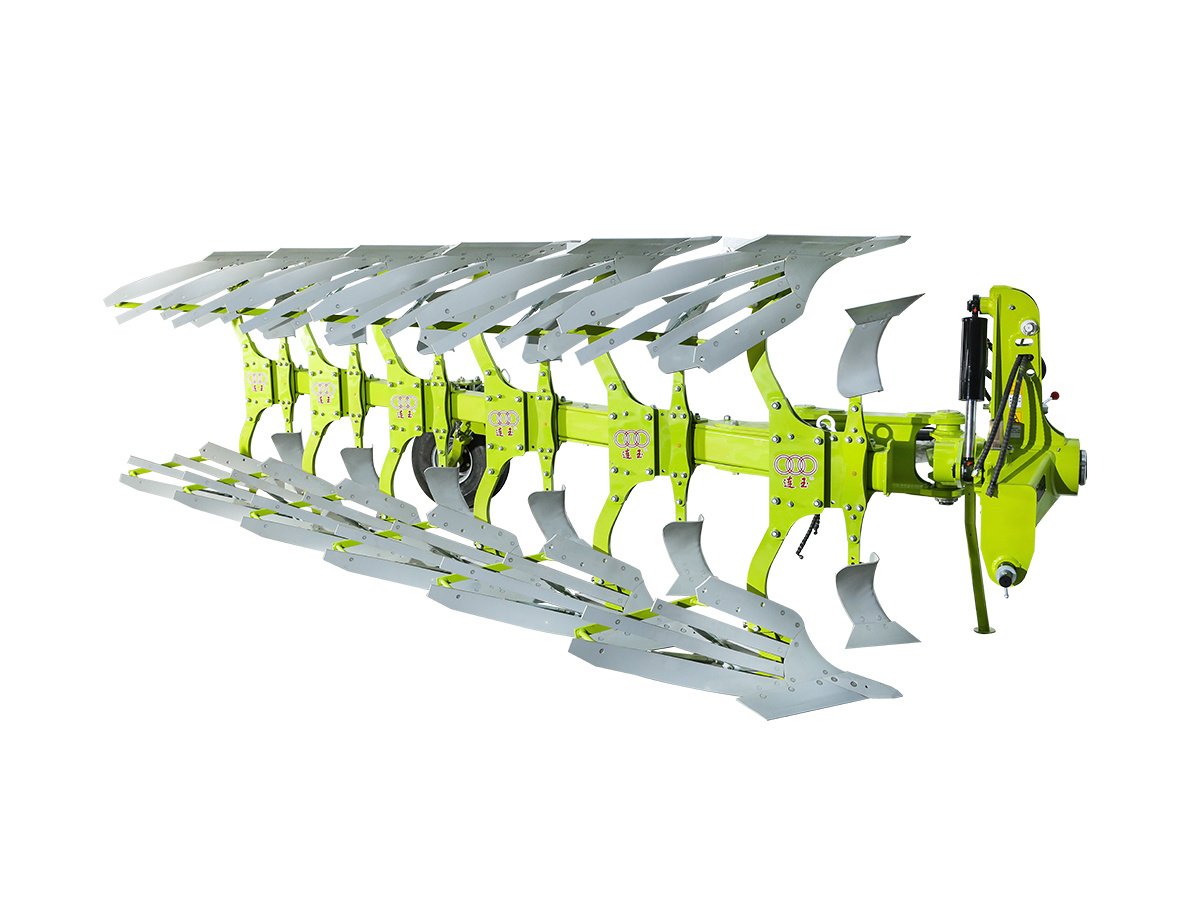
Switch Plough vs. Conventional Ploughs: Which is Better for Your Farm?
Table of Contents
- 1. Introduction to Ploughing Techniques
- 2. Understanding Switch Ploughs
- 3. Understanding Conventional Ploughs
- 4. Advantages of Switch Ploughs
- 5. Advantages of Conventional Ploughs
- 6. Comparative Analysis: Switch Plough vs. Conventional Plough
- 7. Soil Health Implications of Different Ploughs
- 8. Economic Considerations: Cost and ROI
- 9. Conclusion
- 10. FAQs
1. Introduction to Ploughing Techniques
Ploughing is a fundamental practice in agriculture, facilitating soil management, crop cultivation, and the overall enhancement of agricultural productivity. Among the various ploughing tools available, **Switch Ploughs** and **Conventional Ploughs** stand out as the most commonly used. Each type has its own unique features and benefits, making it essential for farmers to understand which option aligns with their specific operational needs.
2. Understanding Switch Ploughs
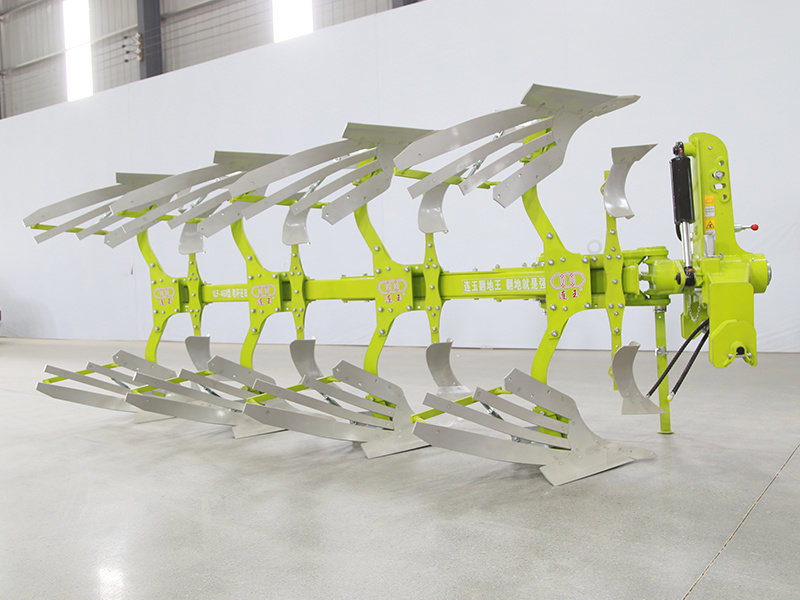
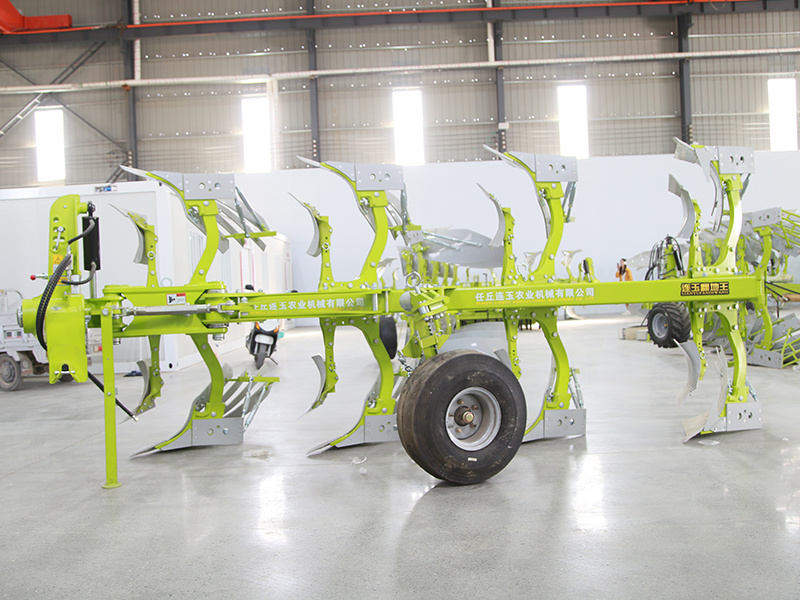
Switch Ploughs are designed for versatility and efficiency. They allow the operator to switch the plough's orientation easily, enabling a more adaptable approach to ploughing. This adaptability is crucial for different soil types and crop requirements. Typically, Switch Ploughs consist of multiple shares, offering the ability to plough in both directions without needing to turn the entire machine around, thus saving time and fuel.
Key Features of Switch Ploughs
- **Directional Flexibility**: Capable of changing ploughing direction without repositioning the tractor.
- **Variable Depth Control**: Offers precise control over ploughing depth, catering to different crop needs.
- **Reduced Soil Compaction**: Designed to minimize disturbance to surrounding soil, promoting better soil health.
3. Understanding Conventional Ploughs
Conventional Ploughs, often referred to as moldboard ploughs, are the traditional choice for many farmers. Characterized by a single or multiple moldboards, they turn over the soil to prepare it for planting. While they are straightforward in design and operation, the effectiveness of Conventional Ploughs can vary based on soil conditions and the skill of the operator.
Key Features of Conventional Ploughs
- **Simple Design**: Generally easier to operate, requiring less technical knowledge.
- **Cost-Effective**: Often less expensive than more advanced ploughs, making them accessible for small to medium-sized farms.
- **Effective for Specific Soil Types**: Particularly efficient in loamy and clay soils, where turning and aeration are necessary.
4. Advantages of Switch Ploughs
Switch Ploughs offer several advantages that can enhance your farming operations. Understanding these benefits can help you make an informed choice for your agricultural practices.
Enhanced Efficiency
The ability to switch directions without needing to turn the tractor around significantly reduces operational time. This efficiency is especially beneficial in expansive fields.
Improved Soil Health
By minimizing soil disturbance, Switch Ploughs help maintain soil structure and microbial life, leading to healthier soils over time. This has long-term benefits for crop yields.
Versatility across Crop Types
Switch Ploughs can adjust to various soil conditions and crop types, making them a versatile option for farmers who grow multiple crops.
5. Advantages of Conventional Ploughs
While Switch Ploughs have their merits, Conventional Ploughs also present distinct advantages that may appeal to specific farming situations.
Cost-Effectiveness
For farmers on a budget, Conventional Ploughs offer a lower initial investment while still providing effective ploughing capabilities.
Ease of Use
The straightforward design of Conventional Ploughs makes them user-friendly, even for those with limited experience in modern farming equipment.
Reliability
Conventional Ploughs have a long history of effectiveness, making them a trusted choice for many farmers who prefer tried-and-true methods.
6. Comparative Analysis: Switch Plough vs. Conventional Plough
When comparing Switch Ploughs and Conventional Ploughs, several factors come into play: efficiency, soil types, and overall effectiveness.
Operational Efficiency
Switch Ploughs excel in operational efficiency due to their ability to switch directions quickly, reducing the time needed for large fields. Conventional Ploughs may require more time to turn around, especially in extensive operations.
Soil Suitability
Switch Ploughs may be better suited for varied soil types due to their adaptable nature. In contrast, Conventional Ploughs perform best in specific conditions, particularly in heavier soils.
Cost and Maintenance
While Switch Ploughs can incur higher initial costs, their efficiency may justify the expense over time through fuel savings and reduced labor costs. Conventional Ploughs, while cheaper initially, may lead to higher operational costs due to less efficiency.
7. Soil Health Implications of Different Ploughs
Soil health is crucial for sustainable farming practices. The choice between Switch and Conventional Ploughs can significantly impact soil quality.
Impact of Switch Ploughs on Soil Health
Switch Ploughs tend to cause less soil compaction and disturbance. This preservation of soil structure fosters a healthier environment for roots and beneficial organisms.
Impact of Conventional Ploughs on Soil Health
Conversely, Conventional Ploughs can lead to increased soil disturbance, which may result in compaction and erosion over time, particularly if not used judiciously.
8. Economic Considerations: Cost and ROI
Understanding the financial implications of choosing between Switch and Conventional Ploughs is vital for any farming operation.
Initial Investment vs. Long-Term Savings
While Switch Ploughs may require a more significant upfront investment, their operational efficiencies can lead to long-term savings. On the other hand, Conventional Ploughs are more affordable initially but may not offer the same efficiency gains.
Return on Investment (ROI)
Evaluating the ROI involves considering not just the purchase price but also the potential for increased yields and reduced labor costs. Switch Ploughs may provide a better ROI in the long run for larger operations.
9. Conclusion
Deciding between Switch Ploughs and Conventional Ploughs ultimately boils down to the specific needs of your farming operation. Each type of plough presents its unique benefits and drawbacks. **Switch Ploughs** offer adaptability and efficiency, while **Conventional Ploughs** provide simplicity and cost-effectiveness. By carefully evaluating your soil types, crop requirements, and budgetary constraints, you can make a well-informed decision that will enhance your farm's productivity and sustainability.
10. FAQs
1. What is the main advantage of a Switch Plough over a Conventional Plough?
The primary advantage is its operational efficiency, allowing for quicker directional changes, which can save time and fuel.
2. Are Switch Ploughs more expensive than Conventional Ploughs?
Yes, Switch Ploughs generally have a higher initial cost; however, their efficiency can lead to long-term savings.
3. Can a Conventional Plough handle all soil types effectively?
Conventional Ploughs are most effective in loamy and clay soils; they may struggle in sandy or rocky soils.
4. How do these ploughs affect soil health?
Switch Ploughs typically cause less soil disturbance, promoting better soil health than Conventional Ploughs, which may lead to compaction.
5. Which plough is better for small farms?
Conventional Ploughs are often more suitable for small farms due to their lower cost and ease of use.
By understanding the nuances of Switch Ploughs and Conventional Ploughs, farmers can make informed decisions that optimize their farming operations and contribute to overall productivity and sustainability.
Keywords:
Contact Us
Whatsapp:
Email:
Address:
Ge Xin Zhuang Industrial Zone, Yi Lun Bao Township, Ren Qiu City, Hebei Province,China
Online Message
We will contact you within one business day. Please pay attention to your email address.
Quick Navigation
Contact Information
Our company mainly produces various hydraulic flip plows and power harrows. Welcome to visit and follow our website and social media, and feel free to contact us to discuss business.
Telephone: +86 15833369696 (WeChat)
Email: wu@lynyjt.com
Address: Ge Xinzhuang Industrial Zone, Yilunbao Township, Renqiu City, Hebei Province,China


Online Message