Gexinzhuang Industrial Zone, Yilunbao Town, Renqiu City, Hebei Province, China



Heavy-Duty Flip Ploughs: A Sustainable Solution for Soil Health
2026-06-14
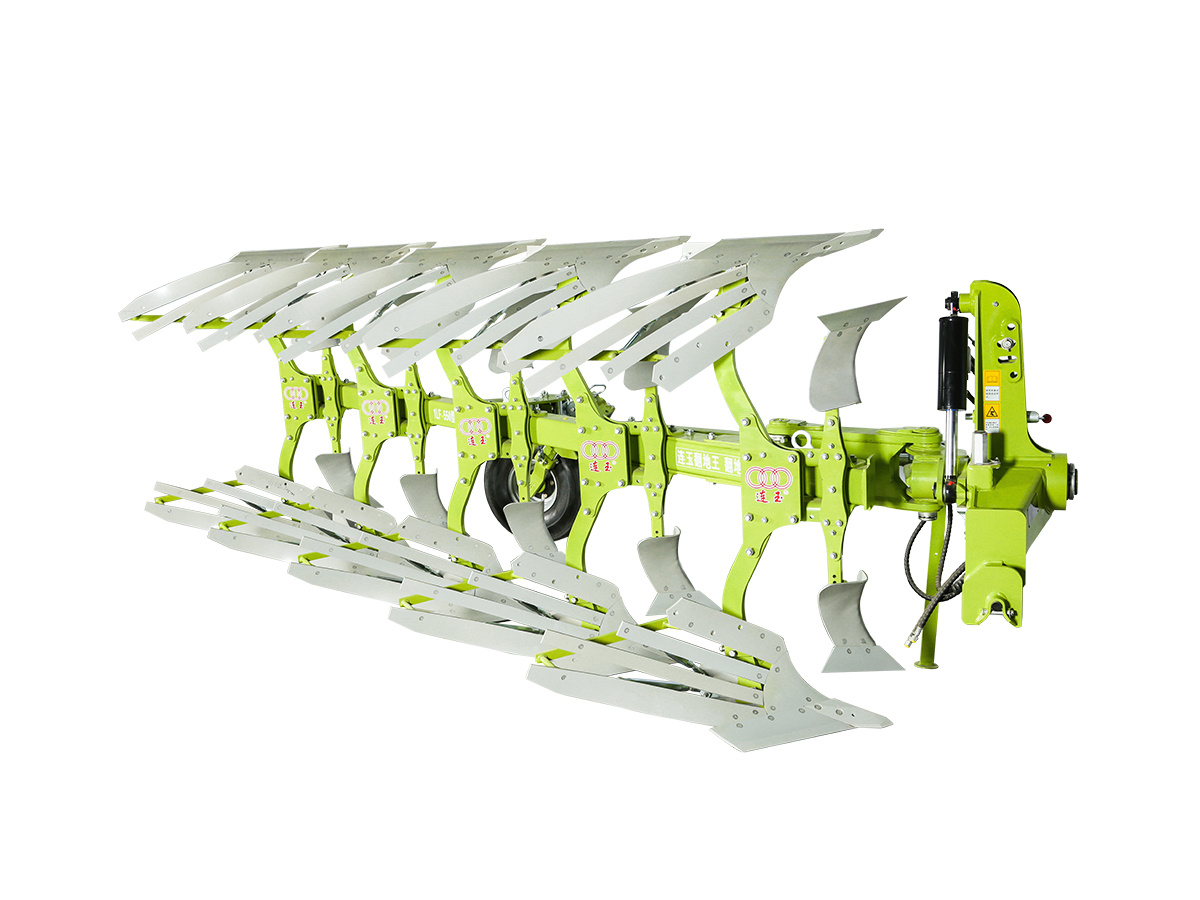
Heavy-Duty Flip Ploughs: A Sustainable Solution for Soil Health
Introduction to Heavy-Duty Flip Ploughs
Heavy-duty flip ploughs have emerged as a pivotal tool in sustainable agriculture, providing innovative solutions for soil management. These powerful implements are designed to turn over soil efficiently, enabling farmers to enhance soil structure, aeration, and nutrient management. As we delve deeper into the various aspects of these ploughs, we will explore their features, benefits, and the role they play in promoting soil health while ensuring sustainable farming practices.
The Importance of Soil Health in Agriculture
Soil health is foundational to successful agricultural practices. Healthy soil supports plant growth, provides essential nutrients, and aids in water retention. With the threat of soil degradation and nutrient depletion on the rise, employing sustainable farming practices is more critical than ever. Heavy-duty flip ploughs contribute significantly to maintaining soil health by:
Enhancing Soil Structure
Flip ploughs are engineered to break up compacted soil layers, allowing roots to penetrate deeper and access more nutrients. This improvement in soil structure fosters a more robust root system, leading to healthier plants.
Improving Aeration and Drainage
By effectively turning the soil, heavy-duty flip ploughs enhance aeration, allowing air to reach plant roots more efficiently. Additionally, improved drainage reduces waterlogging, which is vital for preventing root rot and promoting overall plant health.
Facilitating Organic Matter Incorporation
These ploughs are ideal for incorporating organic matter, such as crop residues and cover crops, back into the soil. This process not only enriches the soil with valuable nutrients but also promotes a diverse microbial ecosystem, which is essential for soil vitality.
Key Features of Heavy-Duty Flip Ploughs
Understanding the key features of heavy-duty flip ploughs is essential for farmers looking to enhance their soil management practices. Below we outline the standout elements that set these ploughs apart.
Robust Construction
Heavy-duty flip ploughs are constructed with high-quality materials designed to withstand the rigors of agricultural use. Their durability ensures they can operate effectively in various soil types and conditions without compromising performance.
Adjustable Working Depth
One of the most significant advantages of these ploughs is their adjustable working depth feature. This allows farmers to customize the depth of soil disturbance based on the specific needs of their crops and soil conditions.
Efficient Soil Turnover Mechanism
The unique design of flip ploughs enables them to turn the soil efficiently, minimizing fuel consumption and enhancing productivity. This efficiency translates to cost savings and reduced environmental impact, aligning with sustainable farming goals.
Compatibility with Modern Tractors
Heavy-duty flip ploughs are designed to be compatible with various modern tractor models, making them accessible to a wide range of farmers. This compatibility ensures that farmers can adopt this technology without needing significant additional investments.
Benefits of Using Heavy-Duty Flip Ploughs
The introduction of heavy-duty flip ploughs into farming practices offers numerous advantages, particularly concerning soil health and sustainability.
Increased Crop Yields
Studies have shown that farmers who use heavy-duty flip ploughs experience increased crop yields. The improved soil quality and structure lead to better nutrient uptake by plants, resulting in healthier crops.
Reduced Soil Erosion
By promoting better soil structure and increasing organic matter, heavy-duty flip ploughs help mitigate soil erosion. Erosion can lead to significant loss of topsoil, which is crucial for agricultural productivity.
Enhanced Water Management
Efficient drainage and aeration provided by flip ploughs facilitate better water management practices. Farmers can optimize irrigation usage, reduce runoff, and conserve water, contributing to more sustainable agricultural practices.
Promotion of Soil Microbial Activity
The incorporation of organic matter and improved soil conditions foster a thriving microbial community. Healthy soil microorganisms play a vital role in nutrient cycling, enhancing soil fertility, and promoting plant growth.
Best Practices for Using Heavy-Duty Flip Ploughs
To maximize the benefits of heavy-duty flip ploughs, farmers should adhere to best practices tailored to their specific agricultural environments.
Regular Maintenance and Inspection
Routine checks and maintenance of flip ploughs ensure they remain in optimal working condition. This practice reduces wear and tear, prolonging the life of the equipment and ensuring consistent performance.
Timing and Soil Conditions
Utilizing flip ploughs during the appropriate seasons and under suitable soil conditions is crucial. Farmers should avoid using them in excessively wet or dry conditions to prevent soil compaction and achieve the best results.
Crop Rotation and Cover Cropping
Integrating crop rotation and cover cropping strategies alongside the use of flip ploughs can significantly enhance soil health. These practices improve soil structure, reduce pest pressures, and contribute to a more sustainable farming approach.
Training and Education
Farmers should consider ongoing education and training on the latest agricultural practices related to heavy-duty flip ploughs. Staying informed about new techniques and technologies can enhance productivity and soil management.
Environmental Impact of Heavy-Duty Flip Ploughs
The role of heavy-duty flip ploughs extends beyond agricultural productivity; they also contribute positively to environmental health.
Carbon Sequestration
By incorporating organic matter into the soil and improving soil health, flip ploughs can enhance carbon sequestration. This process mitigates greenhouse gas emissions, making farming practices more environmentally friendly.
Biodiversity Conservation
Healthy soils support a diverse range of plant and animal species. By maintaining soil health through the use of flip ploughs, farmers can contribute to the conservation of biodiversity within agricultural landscapes.
Reduction of Chemical Inputs
With improved soil health and fertility, farmers using heavy-duty flip ploughs may rely less on chemical fertilizers and pesticides. This reduction not only lowers costs but also minimizes negative impacts on the environment.
Comparative Analysis: Flip Ploughs vs. Traditional Ploughs
Understanding how heavy-duty flip ploughs compare to traditional ploughing methods can help farmers make informed decisions.
Efficiency in Soil Management
Heavy-duty flip ploughs demonstrate superior efficiency in turning over soil compared to traditional ploughs, resulting in less fuel consumption and time savings during planting seasons.
Soil Health Outcomes
Research indicates that the use of flip ploughs leads to better soil health outcomes, with improved nutrient availability and microbial activity compared to conventional ploughing methods.
Long-Term Viability
While traditional ploughs may be adequate for some farming practices, heavy-duty flip ploughs offer a more sustainable solution that aligns with modern agricultural demands, ensuring long-term viability for farmers.
FAQs about Heavy-Duty Flip Ploughs
What type of soil is best for using heavy-duty flip ploughs?
Heavy-duty flip ploughs are effective in a variety of soil types, including clay, loam, and sandy soils. However, they perform best in well-drained soils that are not overly saturated.
Can heavy-duty flip ploughs be used for small-scale farming?
Yes, heavy-duty flip ploughs can be adapted for small-scale farming operations. Farmers should choose a model compatible with their equipment and operational needs.
How often should flip ploughs be maintained?
Regular maintenance should occur before and after use, with thorough inspections at least once a season to ensure optimal performance and longevity.
Do flip ploughs improve soil fertility?
Yes, by incorporating organic matter and promoting microbial activity, heavy-duty flip ploughs enhance soil fertility and nutrient availability for crops.
Are there any drawbacks to using heavy-duty flip ploughs?
While the benefits are substantial, drawbacks may include the initial investment cost and the need for adequate training on their operation.
Conclusion
In conclusion, heavy-duty flip ploughs represent a sustainable solution for enhancing soil health and promoting environmentally friendly farming practices. With their robust construction, efficiency in soil turnover, and compatibility with modern agricultural equipment, these ploughs provide a pathway for farmers to boost crop yields, improve soil structure, and reduce erosion. Adopting best practices and understanding the environmental impact of flip ploughs can lead to a more sustainable agricultural future. Embracing this innovative technology not only benefits individual farms but also contributes to the broader goal of sustainable food production for generations to come.
Keywords:
Previous Page
Contact Us
Whatsapp:
Email:
Address:
Ge Xin Zhuang Industrial Zone, Yi Lun Bao Township, Ren Qiu City, Hebei Province,China
Online Message
We will contact you within one business day. Please pay attention to your email address.
Quick Navigation
Contact Information
Our company mainly produces various hydraulic flip plows and power harrows. Welcome to visit and follow our website and social media, and feel free to contact us to discuss business.
Telephone: +86 15833369696 (WeChat)
Email: wu@lynyjt.com
Address: Ge Xinzhuang Industrial Zone, Yilunbao Township, Renqiu City, Hebei Province,China


Online Message