Gexinzhuang Industrial Zone, Yilunbao Town, Renqiu City, Hebei Province, China



How to Choose the Right Land Plowing Equipment for Your Agricultural Needs
2026-05-25
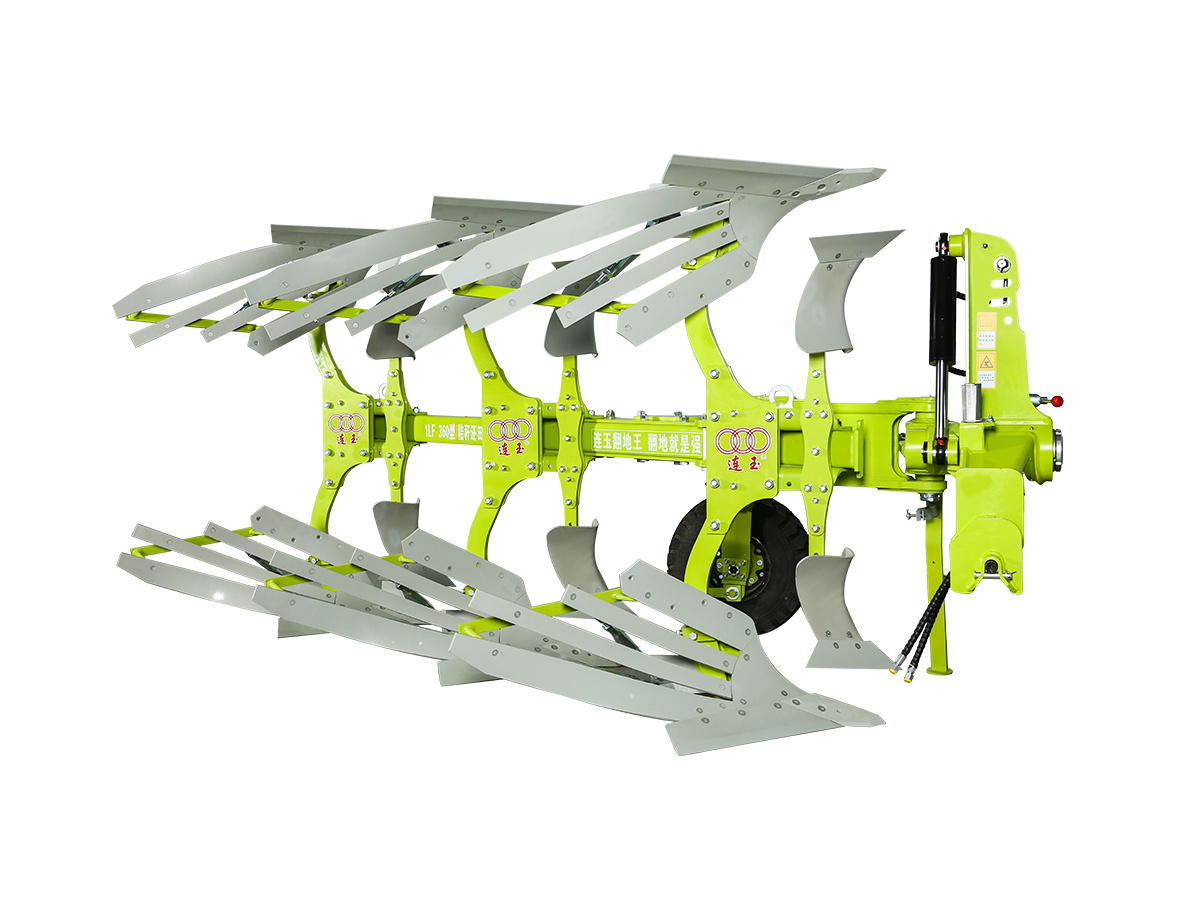
How to Choose the Right Land Plowing Equipment for Your Agricultural Needs
Table of Contents
- Understanding Agricultural Plowing
- The Significance of Land Plowing Equipment
- Types of Plowing Equipment
- Factors to Consider When Choosing Plowing Equipment
- How to Select the Right Equipment
- Maintenance and Care for Plowing Equipment
- Frequently Asked Questions
- Conclusion
Understanding Agricultural Plowing
Agricultural plowing is a critical process that prepares the soil for planting by turning it over and loosening it. This practice helps to control weeds, incorporate organic matter, and improve soil aeration and drainage. By understanding the importance of plowing, farmers can enhance their productivity and ensure healthier crops.
The Significance of Land Plowing Equipment
Choosing the right land plowing equipment is essential for effective soil cultivation. The proper tools can assist in achieving optimal soil conditions, promote better crop growth, and maximize yields. Investing in quality plowing equipment not only saves time and labor but also helps maintain soil health and structure, leading to sustainable agricultural practices.
Types of Plowing Equipment
There is a diverse range of plowing equipment available, each designed for specific tasks and soil conditions. Understanding these types can help farmers select the most suitable option for their needs.
Moldboard Plows
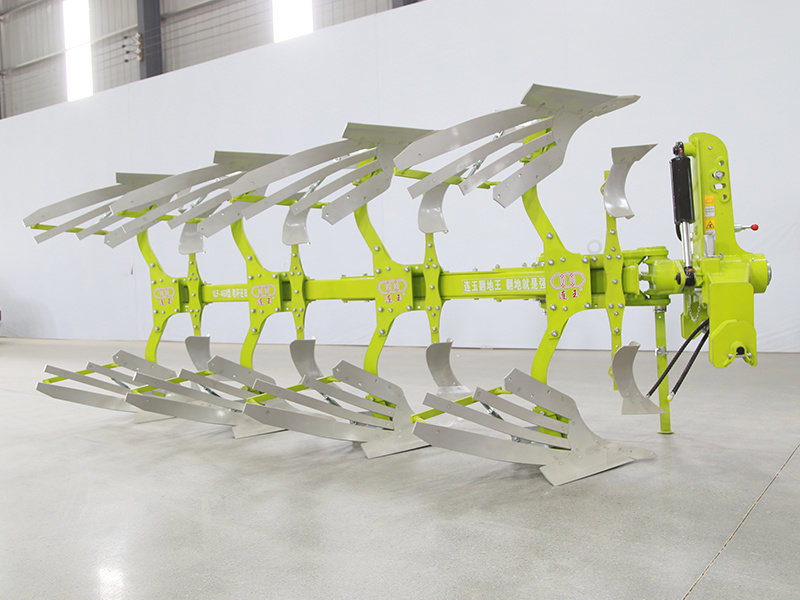
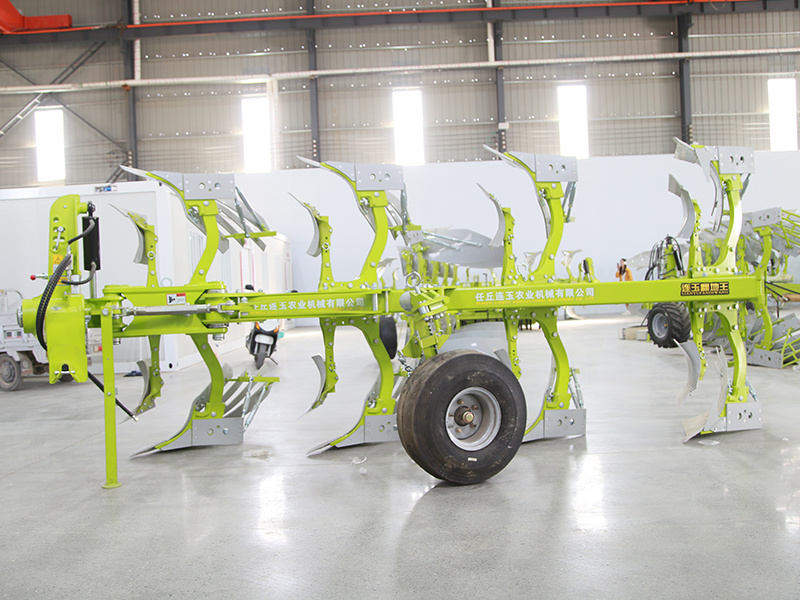
Moldboard plows are one of the most traditional types of plowing equipment. They consist of curved blades, known as moldboards, that turn the soil over. Ideal for breaking up compacted soil, moldboard plows are effective in preparing fields for planting, especially in fallow or weedy areas.
Chisel Plows
Chisel plows are designed to penetrate the soil without turning it over completely. This method retains soil structure and moisture, making chisel plows a preferred choice for conservation tillage practices. They are excellent for breaking up hardpan layers and are suitable for a variety of soils.
Disc Plows
Disc plows utilize a series of concave discs to cut through the soil. These plows are versatile and can handle tough soil conditions, including clay and rocky terrains. Disc plows are particularly useful for breaking up sod and preparing land for planting.
Subsoilers
Subsoilers are specialized plowing equipment designed to break up compacted soil layers deep beneath the surface. By loosening the soil at greater depths, subsoilers improve root penetration and water infiltration, promoting healthier crop growth.
Factors to Consider When Choosing Plowing Equipment
Selecting the right plowing equipment involves evaluating several critical factors. By considering these elements, farmers can make informed decisions that align with their agricultural goals.
Soil Type
Understanding the type of soil on your farm is crucial for determining the appropriate plowing equipment. Different soils have varying characteristics, such as texture, moisture retention, and compaction levels. For instance, clay soils may require more robust plowing equipment, while sandy soils can be managed with lighter tools.
Farm Size
The size of your farm plays a significant role in your equipment choice. Larger farms may benefit from more extensive and efficient plowing equipment, capable of covering significant acreage in less time. Conversely, smaller farms might opt for compact or versatile tools that suit their specific needs.
Crop Type
The type of crops you intend to grow can influence your plowing equipment selection. Certain crops may require specific soil conditions, while others may thrive in different environments. Understanding the needs of your crops can help you choose the right tools for optimal growth.
Budget Considerations
While investing in quality plowing equipment is essential, budget constraints can affect your choices. It is vital to balance cost with effectiveness. Consider the long-term benefits of investing in durable, efficient equipment versus cheaper, less effective alternatives.
How to Select the Right Equipment
After evaluating the factors mentioned above, farmers can follow a systematic approach to select the right plowing equipment.
1. **Research**: Investigate various brands and models of plowing equipment available in the market. Compare their features, specifications, and reviews from other farmers.
2. **Consult Experts**: Engage with agricultural specialists or experienced farmers for recommendations based on their experiences and knowledge of specific tools.
3. **Test Equipment**: Whenever possible, test the equipment before making a purchase. Many dealers offer demonstrations, allowing you to assess the equipment's performance in real-world conditions.
4. **Consider Attachments**: Some plowing equipment can be customized with attachments that enhance their versatility. Consider options that allow for future upgrades or modifications.
5. **Evaluate Warranty and Support**: Choose equipment backed by strong warranties and reliable customer support. This consideration ensures peace of mind and assistance if technical issues arise.
Maintenance and Care for Plowing Equipment
Regular maintenance of plowing equipment is essential to ensure longevity and optimal performance. Here are some key maintenance tips:
- **Regular Cleaning**: After each use, clean the equipment to remove soil, debris, and rust. This practice helps prevent wear and extends the life of the tools.
- **Lubrication**: Keep moving parts well-lubricated to minimize friction and wear. Follow the manufacturer’s instructions regarding lubrication schedules.
- **Inspection**: Regularly inspect the equipment for any signs of damage or wear. Addressing minor issues promptly can prevent costly repairs down the line.
- **Storage**: Store equipment in a dry, sheltered area to protect it from the elements. Proper storage helps maintain the integrity of the equipment.
Frequently Asked Questions
1. What is the best type of plow for rocky soil?
For rocky soil, disc plows are often the best choice. Their robust design and ability to cut through tough terrain make them suitable for challenging conditions.
2. How do I know which plowing equipment is right for my crop?
Evaluate your crop's specific soil requirements and growth conditions. Consulting with agricultural experts or conducting soil tests can provide valuable insights.
3. Can I use a single plow for different types of soil?
While some plows are versatile and can handle different soil types, it is usually best to select equipment tailored to the specific conditions of your farm for optimal results.
4. How often should I maintain my plowing equipment?
Regular maintenance, including cleaning and lubrication, should be performed after each use. Additionally, conduct thorough inspections at the beginning and end of each planting season.
5. What is the average lifespan of plowing equipment?
The lifespan of plowing equipment varies based on usage, maintenance, and quality. On average, well-maintained equipment can last anywhere from 10 to 20 years.
Conclusion
Choosing the right land plowing equipment is a significant decision for any farmer. By understanding the various types of plowing tools, evaluating critical factors such as soil type, farm size, and crop needs, and maintaining the equipment properly, farmers can enhance their agricultural productivity and ensure sustainable practices. Investing time and effort in selecting the right equipment ultimately leads to healthier crops and more efficient farming operations.
Keywords:
Contact Us
Whatsapp:
Email:
Address:
Ge Xin Zhuang Industrial Zone, Yi Lun Bao Township, Ren Qiu City, Hebei Province,China
Online Message
We will contact you within one business day. Please pay attention to your email address.
Quick Navigation
Contact Information
Our company mainly produces various hydraulic flip plows and power harrows. Welcome to visit and follow our website and social media, and feel free to contact us to discuss business.
Telephone: +86 15833369696 (WeChat)
Email: wu@lynyjt.com
Address: Ge Xinzhuang Industrial Zone, Yilunbao Township, Renqiu City, Hebei Province,China


Online Message