Gexinzhuang Industrial Zone, Yilunbao Town, Renqiu City, Hebei Province, China



The Art of Tilling: Tractor Flip Plough Techniques for Optimal Soil Health
2026-05-15
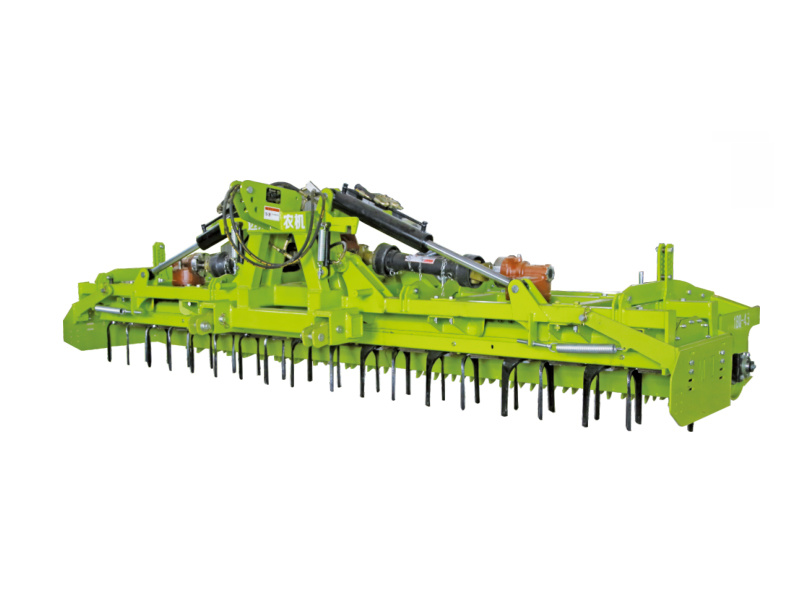
The Art of Tilling: Tractor Flip Plough Techniques for Optimal Soil Health
In the realm of modern agriculture, soil health is paramount. Effective tilling practices can significantly influence the vitality of the soil, which, in turn, affects crop yield and overall farm productivity. Among various tilling methods, tractor flip plough techniques have gained traction for their ability to enhance soil structure and promote sustainable farming. In this article, we delve into the nuanced world of tilling, exploring the techniques and benefits of tractor flip ploughing to foster optimal soil health.
Table of Contents
- What is Tilling?
- Understanding the Importance of Soil Health
- Tractor Flip Plough Techniques Explained
- Benefits of Using Flip Ploughs
- Preparing for Effective Flip Ploughing
- Step-by-Step Guide to Flip Ploughing
- Common Mistakes to Avoid in Flip Ploughing
- The Role of Sustainable Agriculture in Soil Health
- Frequently Asked Questions
- Conclusion
What is Tilling?
Tilling refers to the agricultural preparation of soil by mechanical agitation, which includes turning, mixing, and aerating. The primary goal of tilling is to create an environment conducive to plant growth by breaking up compacted soil, thereby allowing for better root penetration and moisture retention. Different tilling methods range from traditional manual techniques to advanced mechanized processes, with tractor flip ploughing being one of the most effective contemporary practices.
Understanding the Importance of Soil Health
Soil health is vital for sustainable agriculture, as it directly affects crop productivity, ecosystem balance, and environmental quality. Healthy soil is teeming with microorganisms that contribute to nutrient cycling and organic matter decomposition, facilitating the growth of healthy plants. Factors such as soil structure, pH, moisture, and nutrient content all play a role in determining soil health. Implementing effective tilling methods like tractor flip ploughing can significantly improve these factors, leading to enhanced agricultural outcomes.
Tractor Flip Plough Techniques Explained
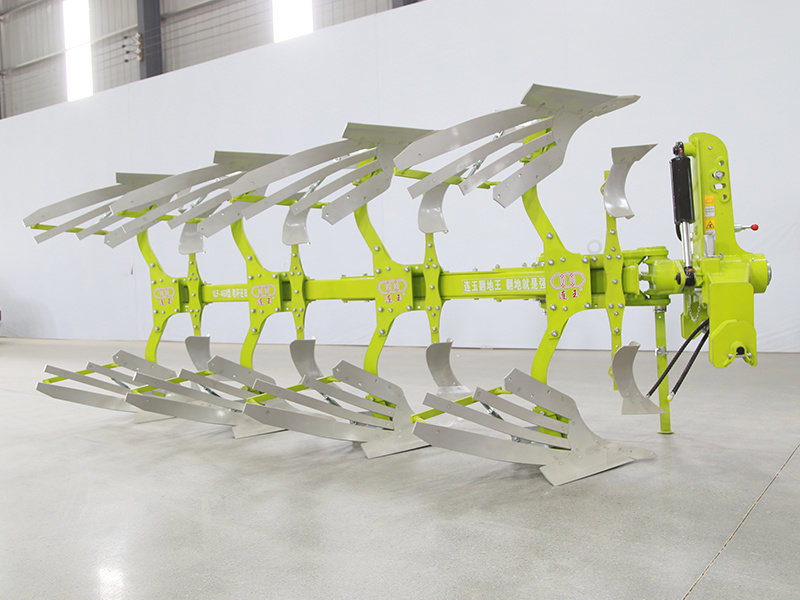
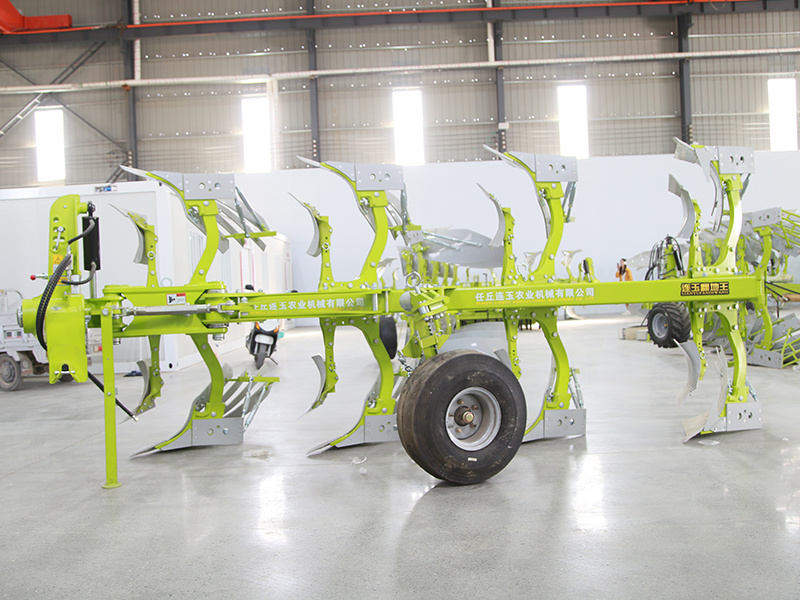
The tractor flip plough is a specialized piece of equipment designed to turn and aerate the soil while incorporating organic matter. This technique involves a two-sided plough that can flip the soil over, thus burying weeds and crop residues while bringing nutrient-rich subsoil to the surface. Flip ploughing not only improves soil aeration but also enhances water infiltration and reduces soil erosion, making it a preferred choice for many farmers aiming for optimal soil health.
Types of Flip Ploughs
Different types of flip ploughs are available, each designed for specific soil types and agricultural needs. Common types include:
- Standard Flip Plough: Ideal for general tillage, it effectively turns the soil and incorporates organic matter.
- Reversible Flip Plough: This type allows for quick switching between right and left-hand operations, enhancing efficiency.
- Disc Flip Plough: Equipped with discs, this variation is effective in heavier soils and can manage crop residues better.
Benefits of Using Flip Ploughs
Utilizing tractor flip plough techniques offers several advantages that significantly contribute to soil health:
1. Improved Soil Structure
Flip ploughs enhance soil structure by breaking up compacted layers, allowing for better air and water movement. This improved structure facilitates root growth and nutrient absorption, which are essential for robust plant development.
2. Enhanced Nutrient Availability
By turning over the soil, flip ploughing increases the availability of essential nutrients. Organic matter is buried and decomposed, releasing nutrients back into the soil profile, thus promoting plant growth.
3. Weed Control
Incorporating crop residues into the soil helps control weed populations. Flip ploughing buries weeds, preventing them from germinating and competing with crops for resources.
4. Erosion Reduction
The technique minimizes surface erosion by creating a protective layer of soil on top of the previously exposed layers. This is particularly crucial in areas prone to heavy rainfall or wind.
5. Improved Water Retention
Flip ploughing enhances the soil's ability to retain moisture, which is vital during dry spells. Better water retention reduces the need for frequent irrigation, making farming more sustainable.
Preparing for Effective Flip Ploughing
To achieve optimal results when using tractor flip ploughs, proper preparation is essential. Here are the steps to consider:
1. Assessing Soil Conditions
Before tilling, conduct a soil analysis to understand its composition, moisture levels, and nutrient content. This assessment will inform your tilling strategy and choice of equipment.
2. Clearing Debris
Remove any large debris, such as rocks or fallen branches, from the field. This ensures smooth operation and prevents damage to the plough.
3. Setting the Plough Depth
Adjust the plough to the appropriate depth based on soil conditions and crop needs. A deeper ploughing depth may be necessary for compacted soils, while shallower depths may suffice for looser soils.
4. Timing the Operation
Choose the right time for tilling. Ideally, plough when the soil is slightly moist but not wet to achieve the best tilth and prevent clumping.
Step-by-Step Guide to Flip Ploughing
Implementing tractor flip plough techniques can be straightforward if you follow these steps:
Step 1: Prepare the Tractor
Ensure that the tractor is in good working condition. Check the fuel, oil, and hydraulic systems to prevent breakdowns during operation.
Step 2: Attach the Flip Plough
Securely attach the flip plough to the tractor’s three-point hitch, ensuring that all connections are tight and functional.
Step 3: Test the Plough
Perform a test run to ensure that the plough is functioning correctly. Adjust the height and angle as needed for optimal performance.
Step 4: Begin Ploughing
Start at the edge of the field and make straight passes. Maintain a consistent speed to ensure even soil turnover.
Step 5: Monitor Progress
Regularly check the soil turnover and make adjustments as necessary. Ensure that the plough is effectively burying crop residues and aerating the soil.
Common Mistakes to Avoid in Flip Ploughing
While flip ploughing is an effective technique, there are common pitfalls that can hinder its benefits:
1. Ploughing at Improper Depth
Ploughing too deep can lead to soil compaction, while ploughing too shallow may not effectively incorporate organic matter. Finding the right balance is crucial.
2. Ignoring Soil Conditions
Tilling in overly wet or dry soil can result in poor soil structure and increased erosion. Always assess moisture levels before proceeding.
3. Failing to Maintain Equipment
Neglecting to maintain the tractor and plough can lead to inefficiencies and costly repairs. Regular checks and maintenance ensure smooth operation.
The Role of Sustainable Agriculture in Soil Health
Sustainable agriculture practices, including effective tilling techniques like flip ploughing, play a vital role in maintaining soil health. By prioritizing soil management, farmers can enhance biodiversity, improve water quality, and reduce chemical input reliance. Sustainable farming practices promote a cyclical relationship between agriculture and the environment, ensuring that future generations can continue to produce food sustainably.
Frequently Asked Questions
1. What is the best time for tilling?
The ideal time for tilling is when the soil is slightly moist but not waterlogged. This allows for optimal soil structure and reduces clumping.
2. How deep should I plough?
The ploughing depth varies based on soil conditions. Generally, 6 to 8 inches is sufficient, but deeper ploughing may be necessary for compacted soils.
3. Can flip ploughing help with weed control?
Yes, flip ploughing can effectively bury weeds and their seeds, reducing competition for crops and promoting better growth.
4. Is flip ploughing suitable for all soil types?
While flip ploughing is effective for many soil types, its suitability depends on specific conditions. Conduct soil tests to determine the best practices for your field.
5. How often should I till my soil?
Over-tilling can degrade soil health. It's recommended to till only when necessary, typically before planting or when incorporating cover crops.
Conclusion
The art of tilling, particularly through tractor flip plough techniques, plays a pivotal role in enhancing soil health and promoting sustainable agriculture. By understanding the benefits and best practices associated with this method, farmers can optimize their soil management strategies, ultimately leading to greater crop yields and a healthier ecosystem. Embracing innovative tilling techniques ensures that we not only meet current agricultural demands but also preserve the land for future generations. As we continue to explore and refine our methods, the importance of prioritizing soil health remains clear—healthy soil leads to thriving crops, resilient ecosystems, and sustainable agricultural practices.
Keywords:
Contact Us
Whatsapp:
Email:
Address:
Ge Xin Zhuang Industrial Zone, Yi Lun Bao Township, Ren Qiu City, Hebei Province,China
Online Message
We will contact you within one business day. Please pay attention to your email address.
Quick Navigation
Contact Information
Our company mainly produces various hydraulic flip plows and power harrows. Welcome to visit and follow our website and social media, and feel free to contact us to discuss business.
Telephone: +86 15833369696 (WeChat)
Email: wu@lynyjt.com
Address: Ge Xinzhuang Industrial Zone, Yilunbao Township, Renqiu City, Hebei Province,China


Online Message