Gexinzhuang Industrial Zone, Yilunbao Town, Renqiu City, Hebei Province, China



The Art of Soil Preparation: Exploring the Versatility of Switch Ploughs
2026-05-05
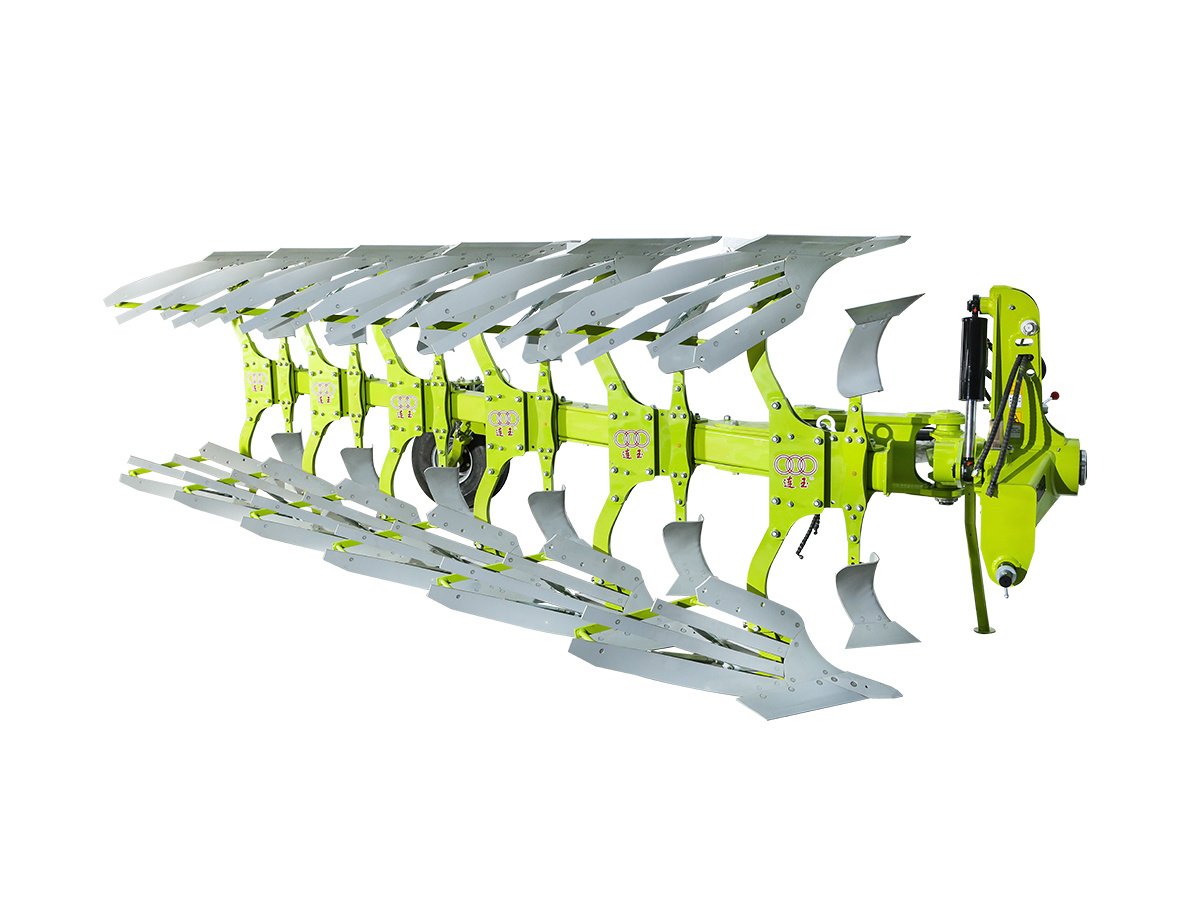
The Art of Soil Preparation: Exploring the Versatility of Switch Ploughs
Introduction to Soil Preparation and Its Importance
Soil preparation is an essential process in agriculture, directly influencing crop productivity. The health of the soil impacts everything from nutrient availability to moisture retention. A well-prepared field ensures robust plant growth and maximizes yield potential. Among the various tools available for soil preparation, the switch plough has emerged as a highly versatile implement, capable of transforming the soil effectively.
What is a Switch Plough? Understanding Its Design and Functionality
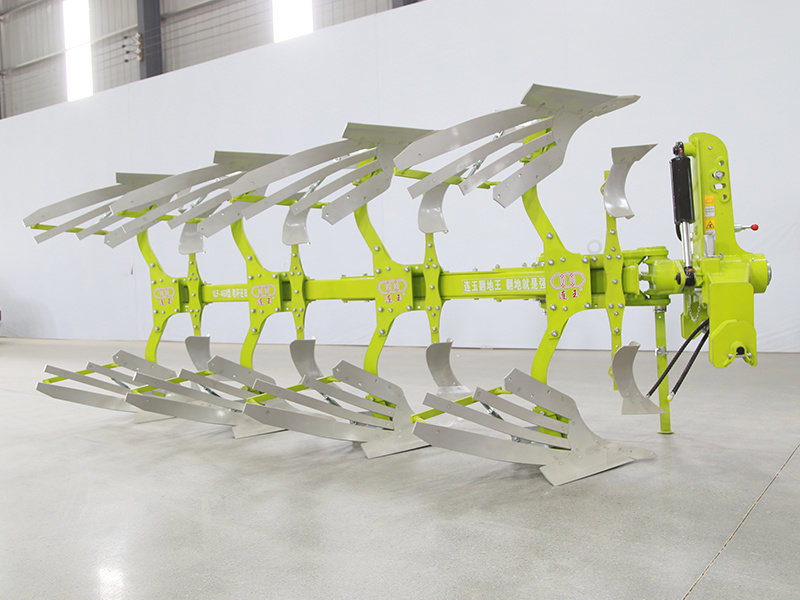
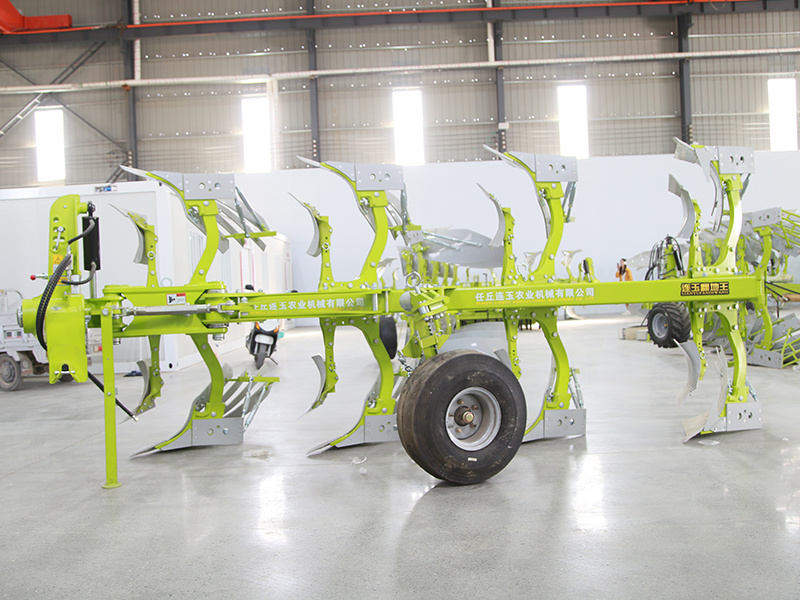
A switch plough, also known as a reversible plough, allows farmers to till the soil efficiently. Its unique design features blades that can be flipped to alternate the direction of tillage. This mechanism offers several advantages, including reduced compaction, improved soil aeration, and enhanced moisture retention.
The Mechanism Behind Switch Ploughs
Switch ploughs operate through a simple yet effective mechanism. When the farmer pulls the plough through the soil, the blades cut and turn the earth. Upon reaching the end of the row, the operator can easily switch the blades to face the opposite direction, enabling the plough to work back without the need to reposition it entirely. This efficiency not only saves time but also minimizes soil disruption.
Key Features of Switch Ploughs
1. **Reversible Design**: The ability to switch the plough blades enhances versatility in field operations.
2. **Adjustable Depth Control**: Farmers can modify the depth of tillage based on crop requirements and soil conditions.
3. **Durability**: Constructed from high-quality materials, switch ploughs withstand rigorous farming practices.
4. **Compatibility with Tractors**: They can be easily attached to standard tractors, making them accessible to most farmers.
Benefits of Using Switch Ploughs in Soil Preparation
Switch ploughs offer numerous advantages that can significantly enhance soil management and crop productivity.
1. Improved Soil Structure
Switch ploughs help break up compacted layers in the soil, allowing roots to penetrate more deeply and access vital nutrients. This process enhances the overall structure of the soil, making it more conducive to plant growth.
2. Enhanced Nutrient Cycling
By turning over the soil, switch ploughs facilitate the mixing of organic matter and soil nutrients. This mixing promotes better nutrient cycling, making essential elements more accessible to crops.
3. Weed Control
The act of turning the soil disrupts the growth of weeds, reducing competition for nutrients and water. This natural weed control method can decrease reliance on chemical herbicides, promoting an eco-friendlier approach to farming.
4. Improved Moisture Retention
Switch ploughs create furrows that can help retain moisture in the soil, especially in arid regions. By preventing excessive evaporation, these ploughs ensure that crops receive the water they need for optimal growth.
5. Versatile Use Across Different Soil Types
Regardless of whether the soil is clay, sandy, or loamy, switch ploughs can adapt to various soil conditions. This versatility makes them an ideal choice for farmers working with diverse land types.
Choosing the Right Switch Plough for Your Farming Needs
Selecting the appropriate switch plough involves considering several factors that ensure compatibility with your farming practices.
1. Size and Weight
The size of the switch plough should align with the tractor’s capacity and the size of the fields being worked. A plough that is too heavy may not be suitable for smaller tractors, while a smaller plough may not be efficient for larger fields.
2. Soil Type and Conditions
Different switch ploughs are designed for specific soil types. Understanding the characteristics of your soil will help you choose a plough that performs optimally and meets your tillage requirements.
3. Budget Considerations
Switch ploughs come in various price ranges. It’s important to find a balance between quality, durability, and affordability to ensure you are making a sound investment.
Best Practices for Operating Switch Ploughs
To maximize the effectiveness of a switch plough, farmers should adopt certain best practices during operation.
1. Proper Adjustment of Plough Depth
Before beginning tillage, farmers must adjust the plough to the appropriate depth. This ensures that the blades are cutting efficiently without damaging the soil structure.
2. Maintaining a Steady Speed
Consistency in speed when operating the plough allows for uniform tillage and prevents over-compaction or under-working of the soil.
3. Regular Maintenance
Regular inspections and maintenance of the switch plough are crucial for optimal performance. Checking for wear and tear on blades and ensuring that all moving parts are functioning can prevent costly breakdowns.
Common Challenges and Solutions When Using Switch Ploughs
While switch ploughs are incredibly beneficial, they can present challenges if not used correctly.
1. Soil Compaction
Over time, repeated tillage can lead to soil compaction. To mitigate this, farmers should rotate their tillage practices and allow certain fields to rest.
2. Inconsistent Tillage Depth
If the plough is not adjusted properly, it may lead to uneven tillage. Regularly checking the depth settings can help maintain consistency.
3. Weather Conditions
Adverse weather can affect tillage outcomes. Ideally, ploughing should be done when the soil is adequately dry to prevent clumping and poor aeration.
Real-World Applications of Switch Ploughs
Switch ploughs are not just theoretical tools; they are actively used in various farming scenarios.
1. Small-Scale Farming
Farmers with smaller plots benefit significantly from switch ploughs due to their efficiency and ease of use.
2. Large Commercial Operations
Commercial farmers utilize switch ploughs to enhance productivity across vast expanses of farmland, optimizing their tillage practices.
3. Organic Farming Practices
The ability of switch ploughs to control weeds naturally makes them a valuable asset for organic farmers who avoid chemical inputs.
Future Trends in Soil Preparation and Switch Plough Technology
As technology advances, the future of soil preparation will evolve. Innovations in switch plough design and functionality may focus on enhancing data integration and precision agriculture.
1. Integrating Smart Technology
The incorporation of sensors and GPS technology can lead to more precise tillage, allowing farmers to monitor soil health in real time.
2. Sustainable Practices
The agricultural sector is increasingly leaning towards sustainable practices. Switch ploughs will play a pivotal role in promoting conservation tillage, enhancing soil health, and reducing carbon footprints.
FAQs About Switch Ploughs
1. What is the primary advantage of using a switch plough?
The primary advantage of using a switch plough is its ability to efficiently till soil while minimizing compaction, enhancing soil structure, and improving crop yields.
2. Can switch ploughs be used in all soil types?
Yes, switch ploughs are versatile and can be adapted for use in various soil types, including clay, sandy, and loamy soils.
3. How do I maintain my switch plough for optimal performance?
Regular maintenance includes inspecting blades for wear, ensuring all moving parts are operational, and adjusting depth settings as needed.
4. Are switch ploughs suitable for organic farming?
Yes, switch ploughs are highly suitable for organic farming, as they provide effective weed control without the use of chemical herbicides.
5. What should I consider when choosing a switch plough?
When selecting a switch plough, consider factors such as size, soil type, weight capacity of your tractor, and budget constraints.
Conclusion
Switch ploughs represent a significant advancement in soil preparation technology, bringing a multitude of benefits to modern agriculture. They enhance soil structure, improve nutrient cycling, and offer solutions for weed control while maintaining moisture levels. Understanding the benefits, operational best practices, and future trends related to switch ploughs can empower farmers to make informed decisions that support sustainable farming practices. By integrating these versatile tools into their operations, farmers can optimize their soil management techniques, ultimately leading to improved crop yields and a healthier planet.
Keywords:
Contact Us
Whatsapp:
Email:
Address:
Ge Xin Zhuang Industrial Zone, Yi Lun Bao Township, Ren Qiu City, Hebei Province,China
Online Message
We will contact you within one business day. Please pay attention to your email address.
Quick Navigation
Contact Information
Our company mainly produces various hydraulic flip plows and power harrows. Welcome to visit and follow our website and social media, and feel free to contact us to discuss business.
Telephone: +86 15833369696 (WeChat)
Email: wu@lynyjt.com
Address: Ge Xinzhuang Industrial Zone, Yilunbao Township, Renqiu City, Hebei Province,China


Online Message