Gexinzhuang Industrial Zone, Yilunbao Town, Renqiu City, Hebei Province, China



Heavy-Duty Power Harrow vs. Traditional Tillage: Which is Better?
2026-04-23
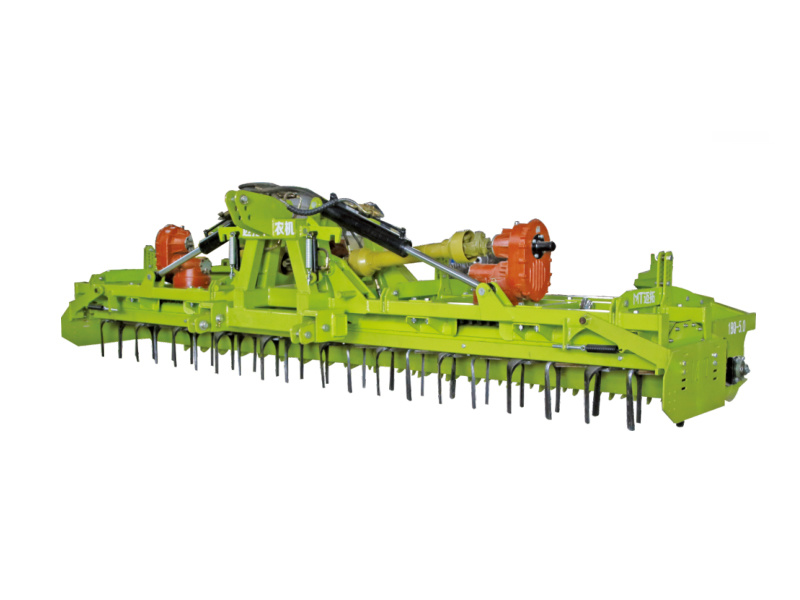
Heavy-Duty Power Harrow vs. Traditional Tillage: Which is Better?
In the world of agriculture, farmers are continuously seeking efficient methods to enhance their productivity and soil health. Among the most debated topics is the choice between Heavy-Duty Power Harrows and Traditional Tillage. Each method presents distinct advantages and disadvantages, impacting crop yield, soil structure, and long-term sustainability. This article explores both options in detail, helping you make an informed decision for your farming practices.
Table of Contents
- 1. Understanding Tillage: The Backbone of Agriculture
- 2. What is Traditional Tillage?
- 3. Heavy-Duty Power Harrows: An Overview
- 4. Comparing Soil Health: Power Harrow vs. Traditional Tillage
- 5. Efficiency and Labor: A Side-by-Side Comparison
- 6. Cost Analysis: Initial Investment vs. Long-Term Savings
- 7. Environmental Impact: Sustainable Practices in Agriculture
- 8. FAQs on Power Harrows and Traditional Tillage
- 9. Conclusion: Choosing the Right Method for Your Farm
1. Understanding Tillage: The Backbone of Agriculture
Tillage is an essential agricultural practice involving the preparation of soil for planting crops. It encompasses various methods, each with its own implications for soil structure, fertility, and crop productivity. The choice of tillage method can significantly influence crop establishment, growth, and yield. Farmers must assess their specific needs, soil types, and crop requirements to determine which method suits them best.
2. What is Traditional Tillage?
Traditional tillage refers to conventional soil preparation methods that typically involve plowing, harrowing, and cultivating. This approach aims to turn over the soil, incorporate organic matter, and prepare a smooth seedbed for planting. Traditional tillage has been the go-to method for generations, primarily because of its simplicity and effectiveness.
2.1 Advantages of Traditional Tillage
- Soil Aeration: Traditional tillage breaks up compacted soil, enhancing aeration and root penetration.
- Weed Control: Frequent tillage can effectively suppress weed growth by uprooting and burying seed beds.
- Organic Matter Incorporation: It allows for the mixing of crop residues and organic matter into the soil, which can improve fertility.
2.2 Disadvantages of Traditional Tillage
- Soil Erosion: Continuous tillage can lead to soil erosion, especially on sloped fields.
- Soil Compaction: Over-tillage can compact the soil layers, making it harder for roots to grow and thrive.
- Increased Labor and Fuel Costs: Traditional tillage often requires more fuel and labor, thereby increasing operational costs.
3. Heavy-Duty Power Harrows: An Overview
Heavy-Duty Power Harrows are advanced tillage equipment designed to prepare seedbeds more efficiently than traditional methods. They utilize rotating blades to break up the soil, creating a finely tilled surface suitable for planting. Unlike conventional tillage, which may involve multiple passes, power harrows can achieve excellent results in a single operation.
3.1 Advantages of Heavy-Duty Power Harrows
- Reduced Soil Compaction: Power harrows operate at a shallow depth, minimizing the risk of soil compaction.
- Enhanced Seedbed Quality: They create a more uniform and consistent seedbed, promoting better seed germination.
- Time Efficiency: The ability to complete tillage in fewer passes saves time and fuel.
3.2 Disadvantages of Heavy-Duty Power Harrows
- Initial Investment Costs: The upfront expense for purchasing power harrows can be significant.
- Maintenance Requirements: Power harrows may require more regular maintenance to ensure optimal performance.
- Specific Skill Needs: Operators must be trained to use the equipment effectively, which can pose challenges in some regions.
4. Comparing Soil Health: Power Harrow vs. Traditional Tillage
Soil health is paramount for sustainable agriculture, as it directly influences crop productivity and ecosystem balance. Both heavy-duty power harrows and traditional tillage have unique impacts on soil health that farmers should consider.
4.1 Soil Structure and Composition
Heavy-duty power harrows preserve soil structure better than traditional tillage. They avoid deep soil disturbance, maintaining the natural soil horizons, which is vital for beneficial organisms and nutrient cycling. In contrast, traditional tillage can lead to the disruption of soil layers, affecting microbial life and nutrient availability.
4.2 Organic Matter Preservation
Power harrows are more effective at preserving organic matter since they incorporate residues without burying them too deeply. This practice enhances soil fertility and promotes a rich microbial population. Conversely, traditional tillage often buries organic matter, which can lead to faster decomposition and nutrient loss.
5. Efficiency and Labor: A Side-by-Side Comparison
Efficiency and labor requirements are critical factors in choosing a tillage method. Heavy-duty power harrows are generally more efficient than traditional tillage methods, requiring fewer passes and less fuel.
5.1 Labor Savings
By utilizing power harrows, farmers can significantly reduce the labor force needed for tillage. The advanced technology offers faster operations and less manual input, freeing up workers for other essential tasks on the farm.
5.2 Fuel Efficiency
With fewer passes required for optimal seedbed preparation, power harrows lead to decreased fuel consumption. This reduction in operational costs is attractive for farmers who are looking to maximize their profits while minimizing expenses.
6. Cost Analysis: Initial Investment vs. Long-Term Savings
When considering the cost-effectiveness of heavy-duty power harrows versus traditional tillage, it is crucial to evaluate both the initial investment and long-term savings.
6.1 Initial Investment Costs
Heavy-duty power harrows often come with a higher price tag compared to traditional tillage equipment. However, farmers should look beyond initial costs and consider the potential return on investment.
6.2 Long-Term Savings
Long-term savings from reduced labor, fuel costs, and improved soil health can offset the initial investment in power harrows. The ability to achieve better yields from a healthier soil profile can lead to increased revenue over time.
7. Environmental Impact: Sustainable Practices in Agriculture
As sustainability becomes a growing concern in agriculture, the environmental impact of tillage methods is increasingly scrutinized. Both heavy-duty power harrows and traditional tillage practices have different implications for the environment.
7.1 Soil Erosion and Conservation
Power harrows promote soil conservation by minimizing disturbance and maintaining ground cover. This approach reduces erosion and enhances water retention, contributing to sustainable farming practices. In contrast, traditional tillage is often associated with higher erosion rates, especially in hilly or sloped terrain.
7.2 Biodiversity and Ecosystem Health
Maintaining biodiversity is essential for resilient ecosystems. Heavy-duty power harrows support healthier soil ecosystems by preserving microbial life and organic matter. Traditional tillage can disrupt these ecosystems, leading to reduced biodiversity and long-term soil health issues.
8. FAQs on Power Harrows and Traditional Tillage
8.1 What is the primary benefit of using a heavy-duty power harrow?
The main advantage of a heavy-duty power harrow is its ability to prepare a high-quality seedbed efficiently while reducing soil compaction and preserving soil structure.
8.2 Are power harrows more expensive than traditional tillage methods?
Yes, the initial investment in power harrows is typically higher, but they can result in long-term savings through reduced labor and fuel costs.
8.3 How does traditional tillage affect soil health?
Traditional tillage can lead to soil erosion, compaction, and loss of organic matter, negatively impacting soil health and crop yields in the long run.
8.4 Can I use both methods on my farm?
Absolutely! Many farmers use a combination of both methods, depending on specific field conditions and crop requirements.
8.5 Which method is better for organic farming?
Heavy-duty power harrows are generally more suitable for organic farming due to their ability to maintain soil structure and promote biodiversity while minimizing soil disturbance.
9. Conclusion: Choosing the Right Method for Your Farm
In summarizing the debate between heavy-duty power harrows and traditional tillage, it is evident that both methods have their unique advantages and drawbacks. Heavy-duty power harrows offer modern solutions for efficient seedbed preparation, reduced soil compaction, and improved soil health, making them a compelling choice for many farmers today. On the other hand, traditional tillage methods have stood the test of time and may still be applicable in certain situations.
Ultimately, the decision lies in understanding your specific agricultural needs, soil type, budget, and long-term sustainability goals. By evaluating these factors, you can determine which tillage method will best enhance your farming operations, optimize crop yields, and contribute to a healthier environment.
Keywords:
Previous Page
Contact Us
Whatsapp:
Email:
Address:
Ge Xin Zhuang Industrial Zone, Yi Lun Bao Township, Ren Qiu City, Hebei Province,China
Online Message
We will contact you within one business day. Please pay attention to your email address.
Quick Navigation
Contact Information
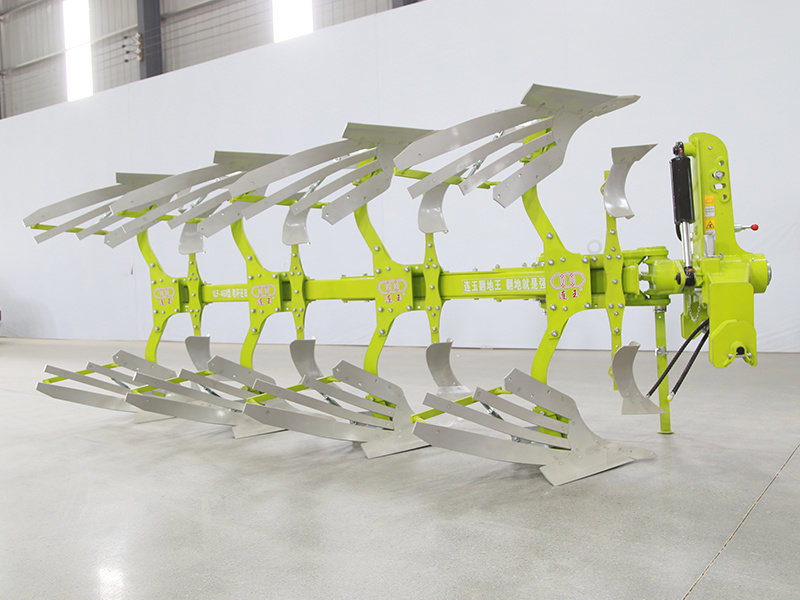
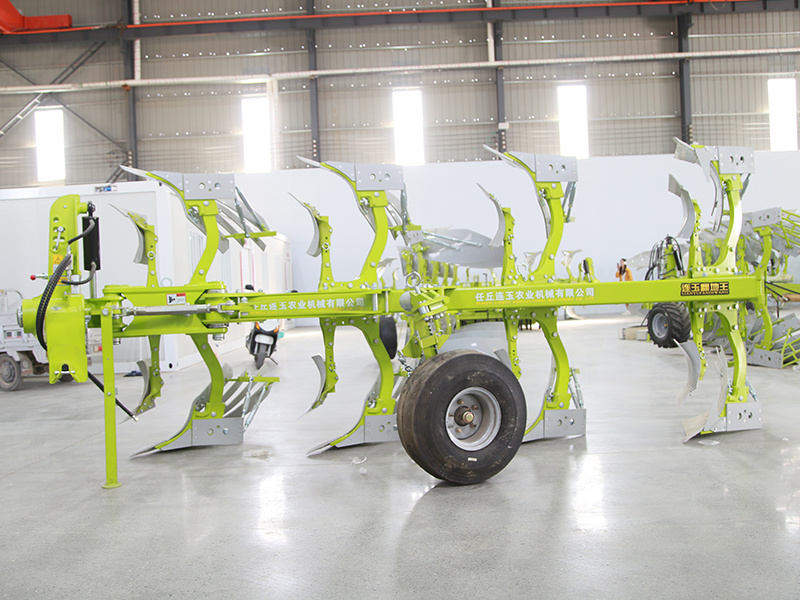
Our company mainly produces various hydraulic flip plows and power harrows. Welcome to visit and follow our website and social media, and feel free to contact us to discuss business.
Telephone: +86 15833369696 (WeChat)
Email: wu@lynyjt.com
Address: Ge Xinzhuang Industrial Zone, Yilunbao Township, Renqiu City, Hebei Province,China


Online Message