Gexinzhuang Industrial Zone, Yilunbao Town, Renqiu City, Hebei Province, China



From Traditional to Innovative: Embracing the Switch Plough in Agriculture
2026-04-05
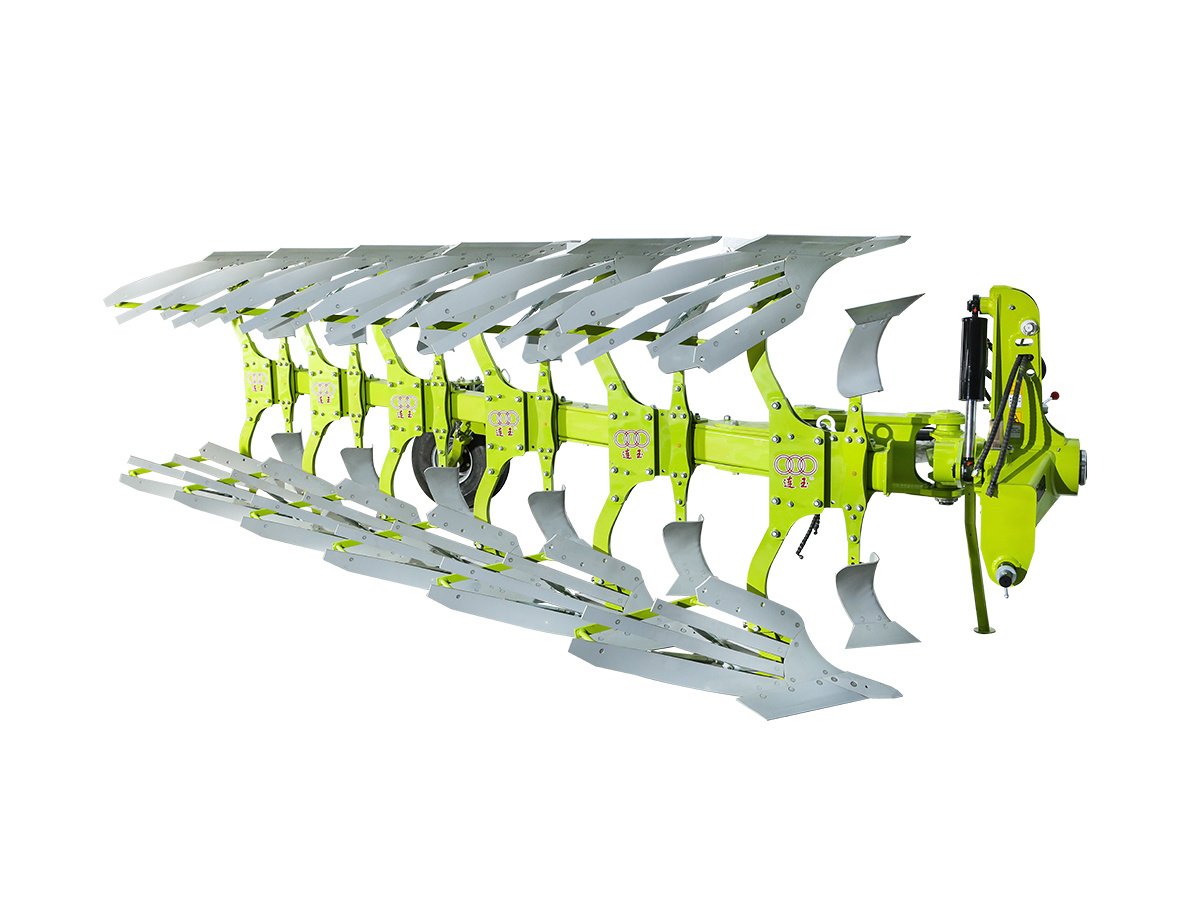
From Traditional to Innovative: Embracing the Switch Plough in Agriculture
Table of Contents
- Introduction to the Switch Plough in Agriculture
- Historical Context of Ploughing Techniques
- What is the Switch Plough?
- Benefits of the Switch Plough
- Switch Plough vs. Traditional Plough
- Innovations in Switch Plough Technology
- Implementing the Switch Plough on Your Farm
- Case Studies: Successful Implementation of the Switch Plough
- The Future of Agriculture with the Switch Plough
- Frequently Asked Questions
- Conclusion
Introduction to the Switch Plough in Agriculture
In the ever-evolving landscape of agriculture, the tools and techniques we use are paramount to productivity and sustainability. Among these advancements, the **switch plough** stands out as a remarkable innovation, transforming how farmers approach soil management. This article delves into the various facets of the switch plough, including its benefits, technology, and its pivotal role in modern farming practices.
Historical Context of Ploughing Techniques
Ploughing has a rich history, with early versions dating back thousands of years. Farmers initially relied on simple wooden ploughs, which evolved over time into more complex metal designs. Traditional ploughing methods have served agriculture well, but as the demands of food production have increased, so too has the need for efficiency.
The introduction of mechanized ploughing brought significant changes, but even these machines faced limitations, such as soil compaction and inefficient land use. As farming practices shifted towards sustainability, the agricultural community began to seek alternatives that could address these issues without sacrificing productivity.
What is the Switch Plough?
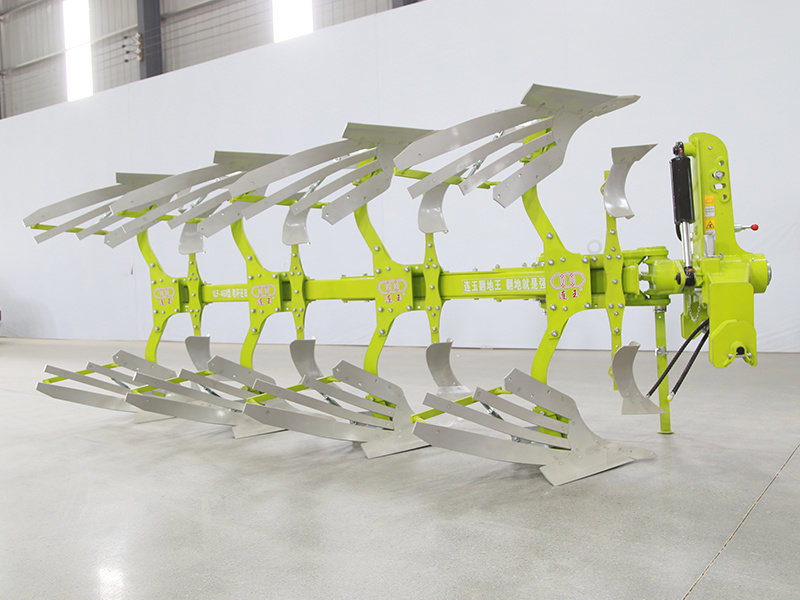
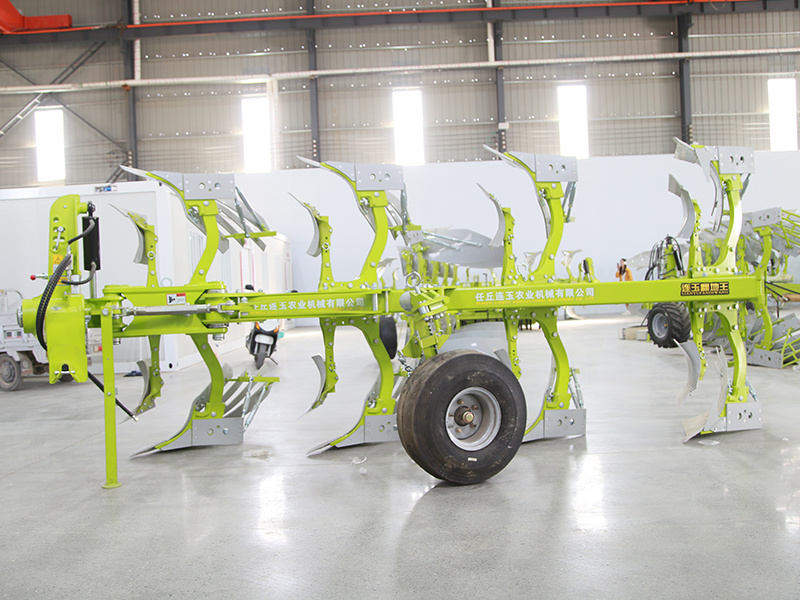
The **switch plough** is a specialized piece of equipment designed to improve the ploughing process significantly. Unlike traditional ploughs that work in a straight line, the switch plough features a unique mechanism that allows it to alternate between different ploughing directions. This capability enables farmers to cultivate land more efficiently and effectively.
The switch plough is equipped with a series of adjustable blades that can switch positions based on the soil type and farming requirements. This adaptability ensures optimal soil turnover while minimizing disruption to the earth's natural structure, making it an essential tool for modern agricultural practices.
Benefits of the Switch Plough
Switching to the switch plough offers numerous advantages that can significantly enhance agricultural productivity:
1. Improved Soil Health
By minimizing soil compaction and maintaining the earth’s natural structure, the switch plough promotes healthier soil. Healthy soil is crucial for crop growth, as it enhances nutrient availability and water retention.
2. Enhanced Efficiency
The switch plough can cover more ground in less time compared to traditional ploughs. Its ability to change direction and adjust blade positioning allows for more efficient use of machinery, reducing fuel costs and labor time.
3. Versatility
Farmers can use the switch plough for a variety of soil types and conditions. Whether dealing with heavy clay or sandy soil, the switch plough can adapt to different environments, making it a versatile option for different farming operations.
4. Reduced Environmental Impact
By promoting soil health and reducing the need for chemical fertilizers, the switch plough contributes to more sustainable farming practices. Its design helps limit erosion and maintain biodiversity.
Switch Plough vs. Traditional Plough
When comparing the switch plough to traditional ploughs, the differences are clear:
1. Operational Mechanism
Traditional ploughs work in straight lines and require multiple passes to cover the same area, while the switch plough’s ability to alternate directions allows for more comprehensive coverage with fewer passes.
2. Soil Management
Switch ploughs are designed to minimize soil disruption, maintaining a natural balance that traditional ploughs often disrupt, leading to soil degradation over time.
3. Labor and Cost Efficiency
The switch plough requires fewer resources in terms of labor and fuel, making it a cost-effective solution for farmers looking to maximize their productivity while minimizing expenses.
Innovations in Switch Plough Technology
Recent advancements in switch plough technology have further enhanced their effectiveness:
1. Automation and Precision Farming
With the integration of GPS technology, modern switch ploughs can operate autonomously. This advancement allows for precise ploughing patterns, ensuring that every inch of land is utilized effectively.
2. Smart Sensors
Smart sensors can monitor soil conditions in real-time, allowing farmers to adjust the plough’s settings based on immediate feedback. This capability ensures optimal performance and soil health maintenance.
3. Enhanced Durability
Modern materials and engineering techniques have led to the development of more durable switch ploughs that can withstand the rigors of agricultural use, providing long-lasting performance.
Implementing the Switch Plough on Your Farm
Transitioning to a switch plough requires careful planning and consideration:
1. Assessing Your Needs
Before investing in a switch plough, evaluate your farm's specific needs and the types of crops you grow. Understanding your soil types and farming practices will help you make an informed decision.
2. Training and Familiarization
Farmers must familiarize themselves with the operation of the switch plough. Investing time in training can ensure that you maximize the benefits of this innovative tool.
3. Monitoring Performance
After implementing the switch plough, continuously monitor its performance. Collect data on soil health, crop yield, and overall efficiency to assess its impact on your farming practices.
Case Studies: Successful Implementation of the Switch Plough
Several farms around the globe have successfully integrated the switch plough, demonstrating its effectiveness:
1. Case Study 1: Sustainable Farming in California
A California-based sustainable farm adopted the switch plough, leading to a 30% increase in yield due to improved soil health and reduced erosion.
2. Case Study 2: Innovative Practices in Australia
An Australian farmer utilized the switch plough to enhance their crop rotation strategies, resulting in healthier crops and reduced dependency on chemical fertilizers.
3. Case Study 3: Revitalizing Soil in Europe
A European agricultural cooperative implemented the switch plough across member farms, reporting significant improvements in soil quality and a collaborative reduction in operational costs.
The Future of Agriculture with the Switch Plough
As agriculture continues to adapt to changing environmental challenges and market demands, tools like the switch plough will play a crucial role in sustainable farming. The push for innovation, efficiency, and environmental responsibility will likely drive further advancements in switch plough technology.
Farmers embracing such innovations can contribute to a more sustainable agricultural future while ensuring their operations remain competitive in a rapidly evolving market.
Frequently Asked Questions
1. What is the primary advantage of using a switch plough?
The main advantage of a switch plough is its ability to improve soil health and enhance efficiency, allowing for better land management and crop yields.
2. Can the switch plough be used in all soil types?
Yes, the switch plough is versatile and can be adapted for various soil types, making it suitable for different farming conditions.
3. How does the switch plough reduce environmental impact?
It promotes healthier soil, reduces erosion, and minimizes the need for chemical inputs, contributing to more sustainable farming practices.
4. Is training required to operate a switch plough effectively?
Yes, proper training and familiarization with the equipment are essential to maximize its benefits and ensure effective operation.
5. What technologies are integrated into modern switch ploughs?
Modern switch ploughs often integrate GPS technology, smart sensors, and durable materials, enhancing their performance and longevity.
Conclusion
The switch plough represents a significant evolution in agricultural practices, bridging the gap between traditional methods and innovative solutions. By prioritizing soil health, efficiency, and sustainability, farmers can not only improve their productivity but also contribute to a more responsible agricultural future. Embracing this tool is not merely a trend; it's a necessary step toward redefining how we approach farming in an increasingly complex world. As we continue to explore and implement technologies like the switch plough, we pave the way for a better tomorrow in agriculture, ensuring that we meet the demands of future generations.
Keywords:
Contact Us
Whatsapp:
Email:
Address:
Ge Xin Zhuang Industrial Zone, Yi Lun Bao Township, Ren Qiu City, Hebei Province,China
Online Message
We will contact you within one business day. Please pay attention to your email address.
Quick Navigation
Contact Information
Our company mainly produces various hydraulic flip plows and power harrows. Welcome to visit and follow our website and social media, and feel free to contact us to discuss business.
Telephone: +86 15833369696 (WeChat)
Email: wu@lynyjt.com
Address: Ge Xinzhuang Industrial Zone, Yilunbao Township, Renqiu City, Hebei Province,China


Online Message