Gexinzhuang Industrial Zone, Yilunbao Town, Renqiu City, Hebei Province, China



Exploring the Versatility of Heavy-Duty Flip Ploughs for Diverse Crops
2026-03-30
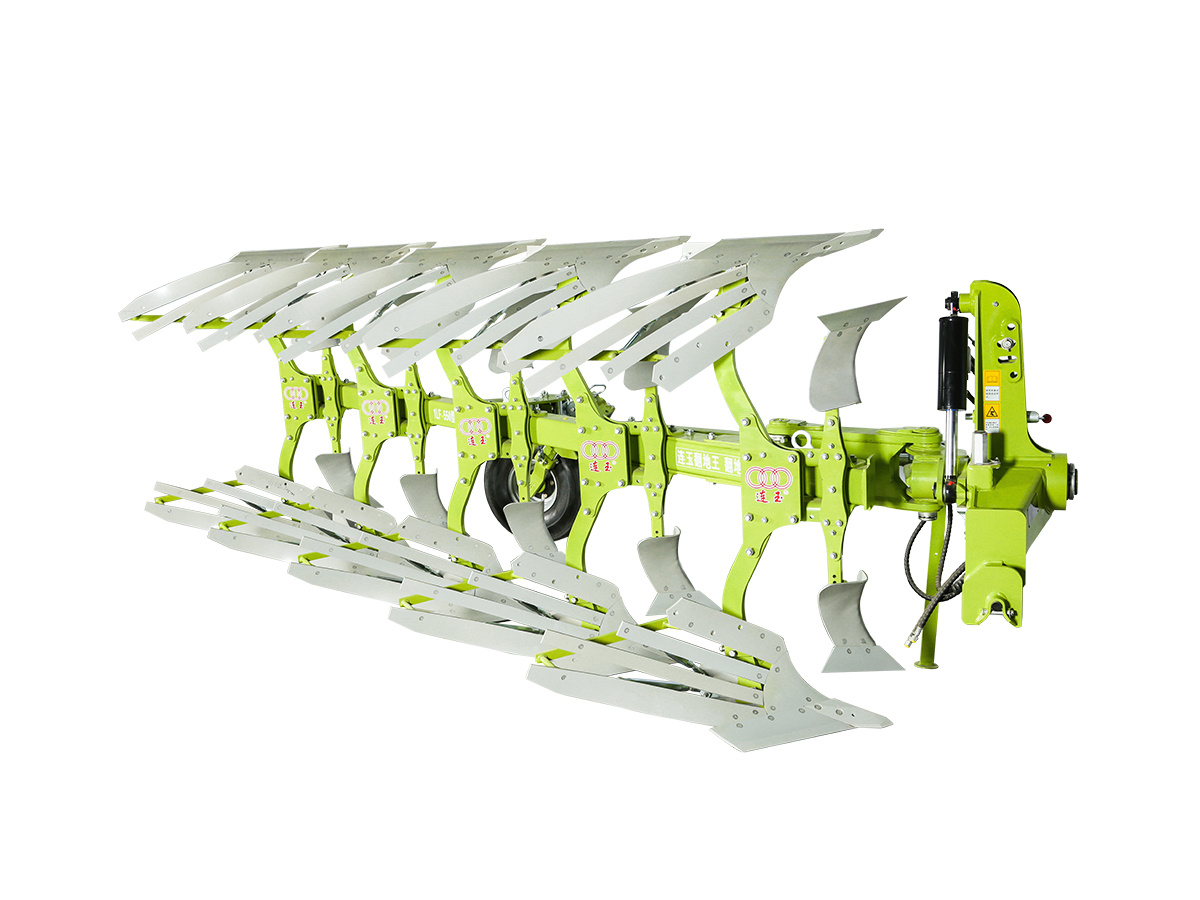
Exploring the Versatility of Heavy-Duty Flip Ploughs for Diverse Crops
Table of Contents
- 1. Introduction to Heavy-Duty Flip Ploughs
- 2. What Are Heavy-Duty Flip Ploughs?
- 3. Benefits of Using Heavy-Duty Flip Ploughs
- 4. Applications Across Diverse Crops
- 5. How to Choose the Right Heavy-Duty Flip Plough
- 6. Best Practices for Using Heavy-Duty Flip Ploughs
- 7. Maintenance Tips for Longevity
- 8. Frequently Asked Questions
- 9. Conclusion
1. Introduction to Heavy-Duty Flip Ploughs
Heavy-duty flip ploughs are a crucial component in modern agricultural machinery. Their design allows for efficient soil turnover, making them ideal for a variety of crops. By utilizing these ploughs, farmers can significantly improve soil health, optimize planting processes, and ultimately enhance crop yields.
In this article, we will explore the functionality, benefits, and applications of heavy-duty flip ploughs across diverse crops. Understanding how to effectively use this equipment can lead to increased productivity and sustainability in farming operations.
2. What Are Heavy-Duty Flip Ploughs?
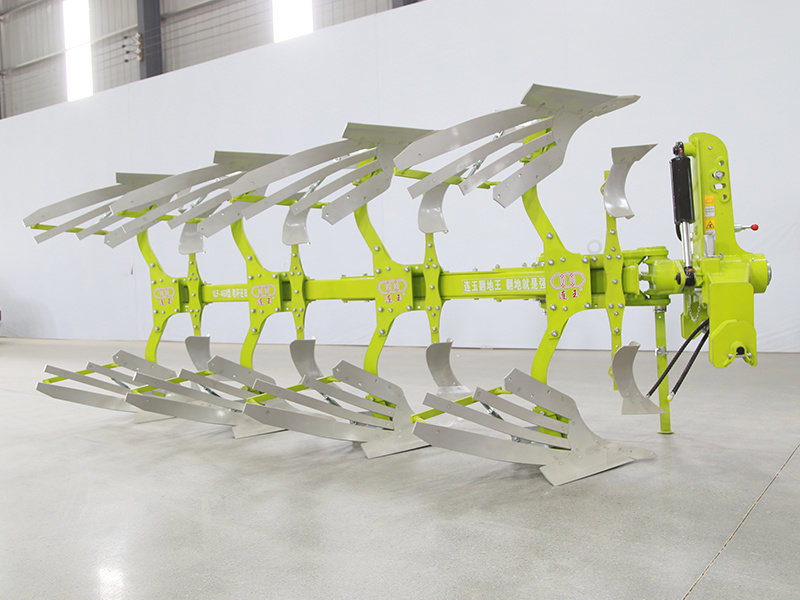
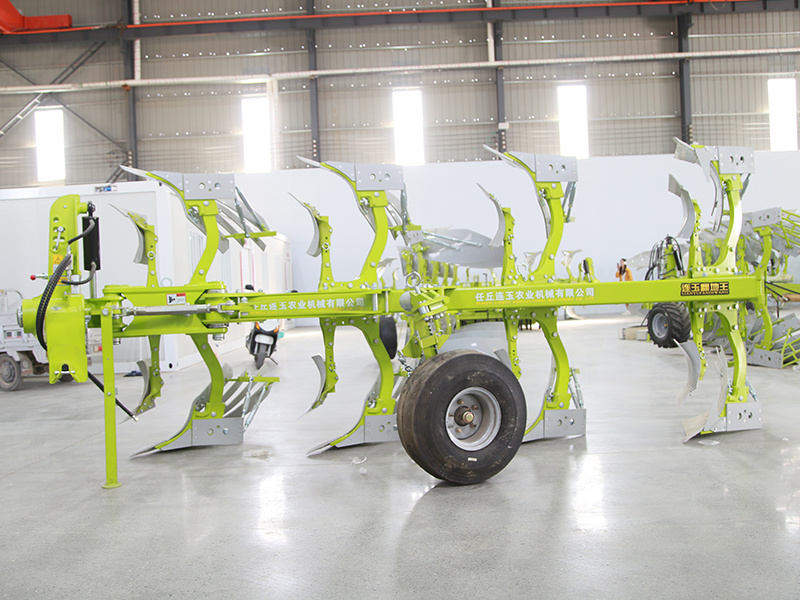
Heavy-duty flip ploughs are specialized agricultural implements designed to turn over the soil in preparation for planting. Unlike traditional ploughs, flip ploughs have a unique mechanism that allows them to flip the soil, thereby aerating it and helping to mix in organic matter.
These ploughs can handle various soil conditions, making them versatile tools in different farming environments. Their robust construction enables them to withstand the rigors of heavy use, making them suitable for large-scale agricultural operations.
3. Benefits of Using Heavy-Duty Flip Ploughs
Utilizing heavy-duty flip ploughs comes with a multitude of advantages that can transform farming practices.
3.1 Improved Soil Structure
One of the primary benefits of heavy-duty flip ploughs is their ability to improve soil structure. By flipping the soil, these ploughs aerate it, allowing for better water infiltration and root penetration. This leads to healthier plants and improved crop yields.
3.2 Enhanced Crop Yield
With improved soil health comes enhanced crop yields. Farmers using heavy-duty flip ploughs often see an increase in productivity. The flipping action helps incorporate organic matter and nutrients back into the soil, promoting better plant growth.
3.3 Time and Labor Efficiency
Heavy-duty flip ploughs are designed for efficiency. Their ability to cover large areas quickly reduces the time needed for land preparation. This efficiency translates to labor savings and allows farmers to allocate resources towards other critical tasks.
4. Applications Across Diverse Crops
Heavy-duty flip ploughs are versatile tools that can be applied to various crops. Below, we explore some of the key applications across different crop types.
4.1 Root Crops
Root crops like potatoes, carrots, and beets benefit significantly from the use of heavy-duty flip ploughs. The flipping action helps to loosen the soil, making it easier to harvest these crops without damaging their roots. Additionally, this process enhances soil health, promoting better growth.
4.2 Cereal Crops
Cereal crops such as wheat and corn require well-structured soil for optimal growth. Heavy-duty flip ploughs effectively prepare the land by mixing in nutrients and improving soil aeration. This leads to healthier plants and increased yields during harvest.
4.3 Cash Crops
For cash crops like cotton and tobacco, heavy-duty flip ploughs offer several advantages. The ability to prepare the soil efficiently allows farmers to plant cash crops at the right time, which is crucial for maximizing profits. The ploughs also help control weeds and pests by turning over the soil.
5. How to Choose the Right Heavy-Duty Flip Plough
When selecting a heavy-duty flip plough, several factors must be considered to ensure it meets the specific needs of your farming operation.
- Soil Type: Assess the type of soil in your fields. Heavy-duty flip ploughs come in various configurations, making some more suitable for clay or sandy soils.
- Crop Types: Consider the crops you plan to grow. Different designs cater to various crop types, so choose a plough that aligns with your agricultural goals.
- Horsepower Requirements: Ensure that your tractor can adequately power the plough. This helps avoid mechanical failures and ensures efficient operation.
- Durability: Look for models made from high-grade materials that can withstand heavy use and adverse conditions.
6. Best Practices for Using Heavy-Duty Flip Ploughs
To maximize the effectiveness of heavy-duty flip ploughs, implement the following best practices:
- Proper Calibration: Ensure that the plough is set to the correct depth to avoid soil compaction and to promote healthy soil turnover.
- Regular Maintenance: Keep the plough in optimal condition through regular checks and maintenance. This includes sharpening blades and checking for wear and tear.
- Soil Testing: Conduct regular soil tests to understand nutrient levels and adjust your ploughing practices accordingly.
- Rotate Crops: Practice crop rotation to prevent soil depletion and maintain soil fertility over time.
7. Maintenance Tips for Longevity
Proper maintenance is essential for prolonging the life of your heavy-duty flip plough. Consider the following tips:
- Daily Inspections: Check for any signs of wear or damage before each use, ensuring that all components are functioning correctly.
- Cleaning: After use, clean the plough to remove soil and debris, which can lead to rust and deterioration.
- Lubrication: Regularly lubricate moving parts to reduce friction and prevent premature wear.
- Storage: Store the plough in a dry, sheltered location to protect it from the elements.
8. Frequently Asked Questions
What types of crops are best suited for heavy-duty flip ploughs?
Heavy-duty flip ploughs are particularly effective for root crops, cereal crops, and cash crops due to their ability to work efficiently in various soil conditions.
How deep can a heavy-duty flip plough go?
The depth of a heavy-duty flip plough can vary based on the model, but most can reach depths of 10 to 14 inches.
What is the average lifespan of a heavy-duty flip plough?
With proper maintenance, a heavy-duty flip plough can last anywhere from 10 to 20 years, depending on usage and care.
Can heavy-duty flip ploughs be used in rocky soils?
Yes, many heavy-duty flip ploughs are designed to handle rocky soils, but it’s important to choose a model specifically built for such conditions.
What is the difference between a heavy-duty flip plough and a traditional plough?
The primary difference lies in the ploughing mechanism. Heavy-duty flip ploughs turn and aerate the soil more effectively than traditional ploughs, allowing for better soil health and crop growth.
9. Conclusion
Heavy-duty flip ploughs play a vital role in modern agriculture, offering versatility and efficiency across various crop types. By improving soil structure, enhancing crop yields, and optimizing time and labor, these ploughs are indispensable tools for farmers. Understanding their benefits, applications, and best practices empowers growers to make informed decisions, ultimately fostering sustainable agricultural practices. As we continue to explore innovative solutions in farming, heavy-duty flip ploughs will undoubtedly remain at the forefront of agricultural advancement.
Keywords:
Contact Us
Whatsapp:
Email:
Address:
Ge Xin Zhuang Industrial Zone, Yi Lun Bao Township, Ren Qiu City, Hebei Province,China
Online Message
We will contact you within one business day. Please pay attention to your email address.
Quick Navigation
Contact Information
Our company mainly produces various hydraulic flip plows and power harrows. Welcome to visit and follow our website and social media, and feel free to contact us to discuss business.
Telephone: +86 15833369696 (WeChat)
Email: wu@lynyjt.com
Address: Ge Xinzhuang Industrial Zone, Yilunbao Township, Renqiu City, Hebei Province,China


Online Message