Gexinzhuang Industrial Zone, Yilunbao Town, Renqiu City, Hebei Province, China



Tractor Flip Plough Explained: A Must-Have for Modern Agriculture
2026-03-12
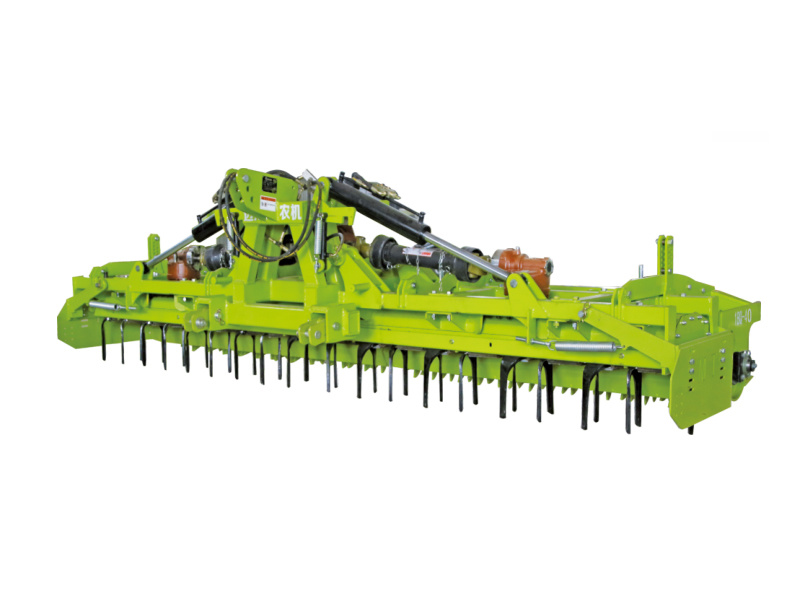
Tractor Flip Plough Explained: A Must-Have for Modern Agriculture
Table of Contents
- 1. Introduction to the Tractor Flip Plough
- 2. What is a Flip Plough?
- 3. How Does a Flip Plough Work?
- 4. Key Features and Benefits of Using a Flip Plough
- 5. Applications of Flip Ploughs in Modern Agriculture
- 6. Comparison: Tractor Flip Plough vs. Traditional Ploughs
- 7. Maintenance Tips for Your Flip Plough
- 8. Frequently Asked Questions (FAQs)
- 9. Conclusion
1. Introduction to the Tractor Flip Plough
In the rapidly evolving world of agriculture, efficiency and productivity are paramount. Farmers today are continually seeking innovative tools that can optimize their workflow and yield better results. One such tool that has garnered attention in recent years is the **Tractor Flip Plough**. This remarkable piece of equipment is not just a luxury but a necessity for modern agricultural practices. In this article, we will delve into the nitty-gritty of the Tractor Flip Plough, examining its importance and the advantages it offers to farmers.
2. What is a Flip Plough?
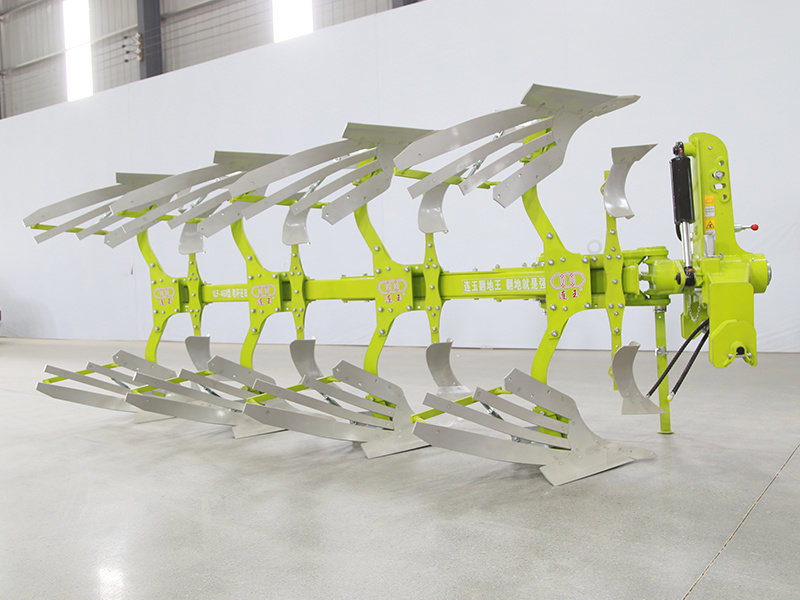
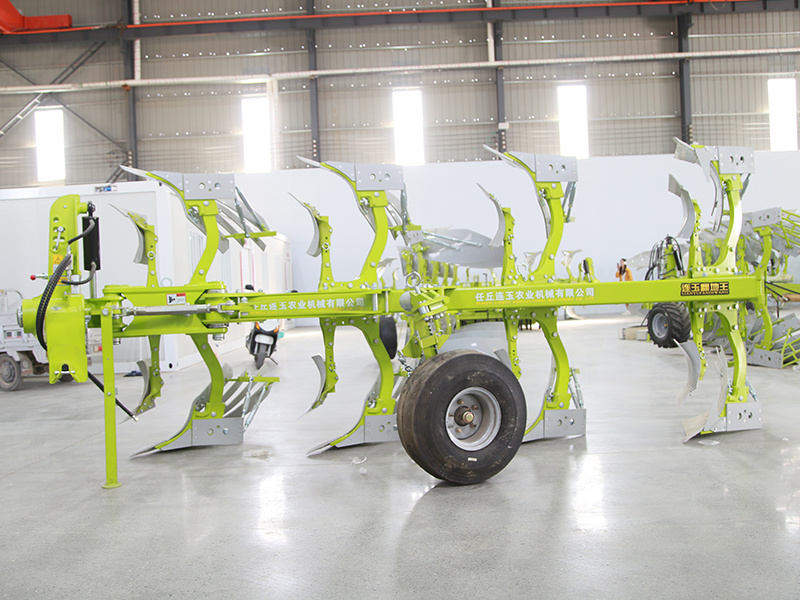
A **flip plough** is an advanced agricultural implement designed for soil cultivation. Unlike traditional ploughs that merely turn over the soil, a flip plough can rotate the soil in a more efficient manner. This device typically attaches to the rear of a tractor and allows the operator to flip the soil in a single motion. Its design enables deeper ploughing and better soil aeration, which are crucial for optimal crop growth.
3. How Does a Flip Plough Work?
The **mechanics** behind a flip plough are relatively straightforward yet effective. When engaged, the implement digs into the soil, loosening it while simultaneously flipping it over. This process is facilitated by specialized blades that cut through various soil types, ensuring uniformity in soil depth and texture. The flip mechanism allows for quick turnaround times, permitting farmers to cover larger areas in a fraction of the time compared to traditional implements.
4. Key Features and Benefits of Using a Flip Plough
4.1 Enhanced Soil Aeration
One of the standout features of the Tractor Flip Plough is its ability to enhance soil aeration. By flipping the soil, it exposes different layers to oxygen, which is essential for microbial activity and root health.
4.2 Improved Soil Structure
The **design** of the flip plough allows for improved soil structure. This is crucial because well-structured soil promotes better water infiltration and reduces runoff, leading to healthier crops.
4.3 Time Efficiency
Farmers often work against the clock, especially during planting and harvest seasons. The Tractor Flip Plough enables faster operation, allowing farmers to prepare their fields more quickly.
4.4 Versatility
Flip ploughs can be used in various soil conditions, making them versatile tools for different types of farming operations. Whether tilling in clay, loam, or sandy soils, these ploughs can adapt effectively.
4.5 Reduced Labor Costs
With their ability to cover larger areas in less time, flip ploughs can significantly reduce labor costs. Fewer operators are needed, and the efficiency translates into better profitability for farmers.
5. Applications of Flip Ploughs in Modern Agriculture
The applications of the Tractor Flip Plough in modern agriculture are vast. From **preparing seedbeds** to managing cover crops, this implement plays a crucial role in many aspects of farming.
5.1 Seedbed Preparation
Farmers use flip ploughs extensively during seedbed preparation to ensure a uniform and well-aerated seedbed, which is vital for optimal seed germination.
5.2 Cover Crop Management
In sustainable farming practices, flip ploughs can effectively incorporate cover crops into the soil, enhancing nutrient content while controlling weeds.
5.3 Soil Erosion Control
By improving soil structure and aeration, flip ploughs help combat soil erosion, ensuring that valuable topsoil remains intact and productive.
6. Comparison: Tractor Flip Plough vs. Traditional Ploughs
When comparing the Tractor Flip Plough to traditional ploughs, several factors come into play. Traditional ploughs often require multiple passes to achieve the desired soil depth and texture, whereas flip ploughs streamline this process.
6.1 Efficiency
**Efficiency** is one of the most significant differences. Flip ploughs allow farmers to complete their tasks in significantly less time, maximizing productivity.
6.2 Soil Health
Traditional ploughing methods can lead to soil compaction and reduced microbial activity. In contrast, flip ploughing promotes better soil health through enhanced aeration and structure.
6.3 Cost-Effectiveness
While initial investments in flip ploughs might be higher, the long-term savings in labor and time often outweigh these costs. Traditional ploughs may appear cheaper but can lead to higher operational expenses over time.
7. Maintenance Tips for Your Flip Plough
To ensure longevity and optimal performance of your Tractor Flip Plough, regular maintenance is key. Here are some essential maintenance tips:
7.1 Regular Inspections
Conduct regular inspections for wear and tear on blades and other critical components. Timely replacements can prevent major breakdowns.
7.2 Cleaning After Use
Soil and debris can build up on the plough. Cleaning it after each use will help maintain its efficiency and longevity.
7.3 Lubrication
Apply lubricants to moving parts to minimize friction and wear. This simple step can prolong the life of your flip plough significantly.
7.4 Store Properly
When not in use, store the plough in a dry, sheltered area to protect it from the elements.
8. Frequently Asked Questions (FAQs)
8.1 What types of soil are best suited for a flip plough?
Flip ploughs perform well in various soil types, including clay, loam, and sandy soils, making them a versatile choice for most farmers.
8.2 How deep can a flip plough effectively work?
Most flip ploughs can effectively reach depths of 6 to 12 inches, depending on the specific model and soil conditions.
8.3 Is training required to operate a flip plough?
While no formal training is strictly necessary, understanding the controls and mechanics can enhance safety and efficiency.
8.4 What is the typical lifespan of a flip plough?
With proper maintenance, a well-built flip plough can last for many years, often exceeding a decade.
8.5 Can a flip plough be used for other applications besides ploughing?
Yes, flip ploughs can also be employed for mixing soil amendments, incorporating cover crops, and managing residue.
9. Conclusion
The **Tractor Flip Plough** represents a significant advancement in modern agricultural practices. By streamlining soil cultivation processes and improving efficiency, it has become an indispensable tool for farmers aiming for enhanced productivity. As agriculture continues to evolve, embracing innovative tools like the flip plough will be vital for success. Investing in this technology not only benefits individual farmers but also contributes to a more sustainable agricultural future, allowing for better management of our most precious resource—soil.
Keywords:
Contact Us
Whatsapp:
Email:
Address:
Ge Xin Zhuang Industrial Zone, Yi Lun Bao Township, Ren Qiu City, Hebei Province,China
Online Message
We will contact you within one business day. Please pay attention to your email address.
Quick Navigation
Contact Information
Our company mainly produces various hydraulic flip plows and power harrows. Welcome to visit and follow our website and social media, and feel free to contact us to discuss business.
Telephone: +86 15833369696 (WeChat)
Email: wu@lynyjt.com
Address: Ge Xinzhuang Industrial Zone, Yilunbao Township, Renqiu City, Hebei Province,China


Online Message