Gexinzhuang Industrial Zone, Yilunbao Town, Renqiu City, Hebei Province, China



Switch Ploughs: The Unsung Heroes of Sustainable Agriculture
2026-03-06
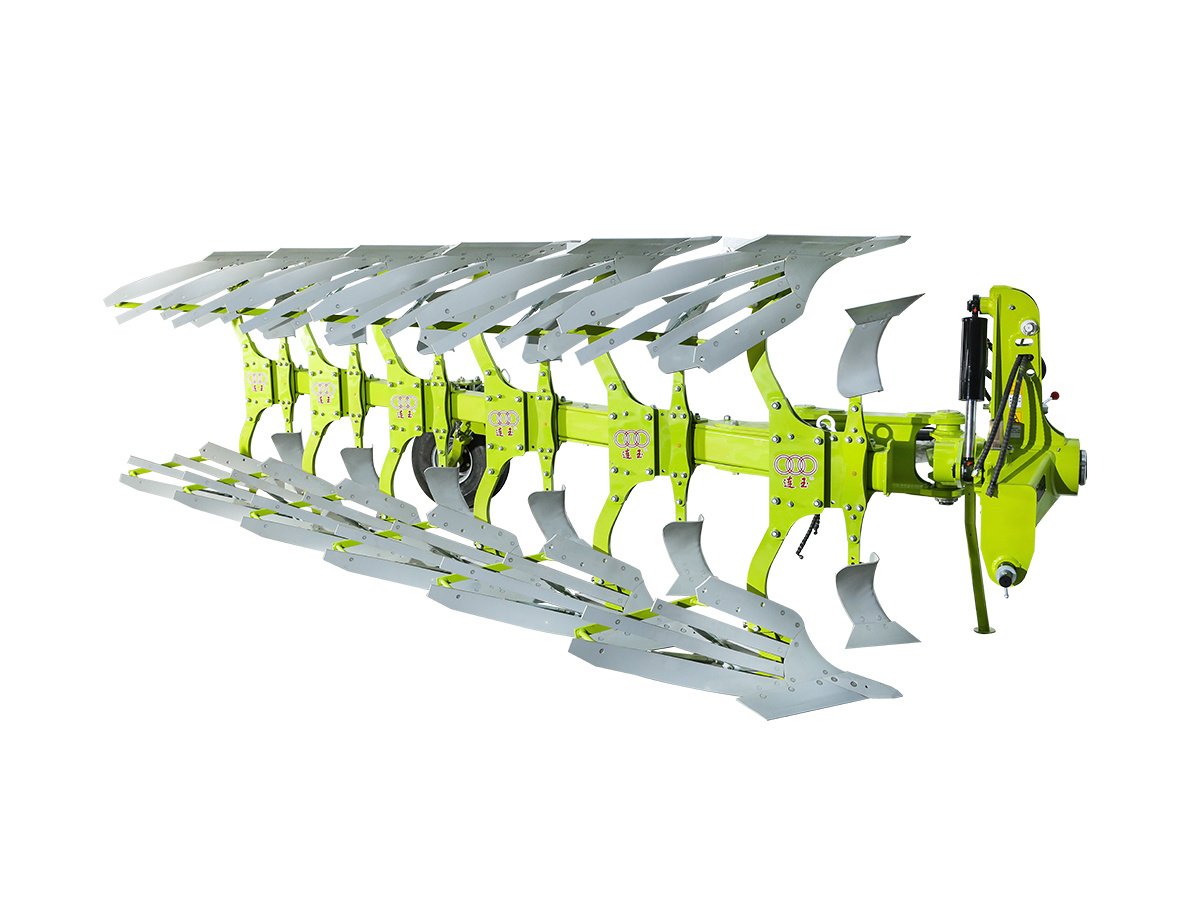
Switch Ploughs: The Unsung Heroes of Sustainable Agriculture
Table of Contents
- 1. Introduction to Switch Ploughs
- 2. What Are Switch Ploughs?
- 3. Benefits of Switch Ploughs in Sustainable Agriculture
- 4. Mechanics of Switch Ploughs
- 5. Applications of Switch Ploughs in Modern Agriculture
- 6. The Sustainability Impact of Switch Ploughs
- 7. Case Studies: Success Stories Using Switch Ploughs
- 8. The Future of Switch Ploughs in Agriculture
- 9. Conclusion
- 10. Frequently Asked Questions
1. Introduction to Switch Ploughs
In the ever-evolving world of sustainable agriculture, **switch ploughs** have emerged as pivotal tools that can significantly enhance farming practices. Unlike traditional ploughs, switch ploughs offer unique features that promote soil health and reduce environmental impact. This article delves deep into the mechanics, benefits, and future potential of switch ploughs, establishing them as unsung heroes in the agricultural sector.
2. What Are Switch Ploughs?
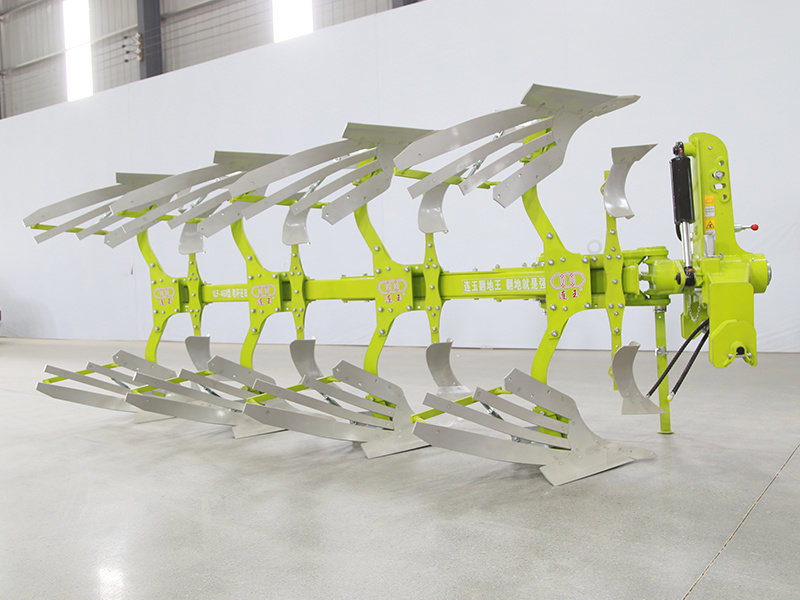
Switch ploughs, also known as reversible ploughs, are specialized farming implements designed to turn and aerate soil while minimizing disruption. **These ploughs consist of two sets of blades**, allowing farmers to switch the working direction without lifting the implement from the ground. This innovative design reduces the need for multiple passes over the field, thus saving time and resources.
3. Benefits of Switch Ploughs in Sustainable Agriculture
Switch ploughs offer numerous advantages, making them an essential investment for sustainable farming practices.
3.1 Enhancing Soil Health
One of the primary benefits of using switch ploughs is their ability to enhance **soil health**. By minimizing soil disturbance, these ploughs help preserve soil structure, allowing beneficial microorganisms to thrive. The plough's design also facilitates better moisture retention, reducing the need for irrigation, which is particularly crucial in arid regions.
3.2 Improving Efficiency in Farming
Switch ploughs improve overall **efficiency in farming operations**. Their reversible nature means farmers can cultivate larger areas in less time, reducing labor costs and fuel consumption. This efficiency not only boosts productivity but also contributes to a lower carbon footprint, aligning with sustainable agricultural practices.
3.3 Reducing Soil Erosion
The design of switch ploughs is inherently beneficial for reducing soil erosion. By turning the soil gently and maintaining its structure, these ploughs help prevent the loss of topsoil, which is vital for nutrient retention and crop growth. This erosion control is increasingly important as climate change leads to more extreme weather patterns.
4. Mechanics of Switch Ploughs
Understanding the mechanics behind switch ploughs can help farmers appreciate their value and functionality.
4.1 Design and Functionality
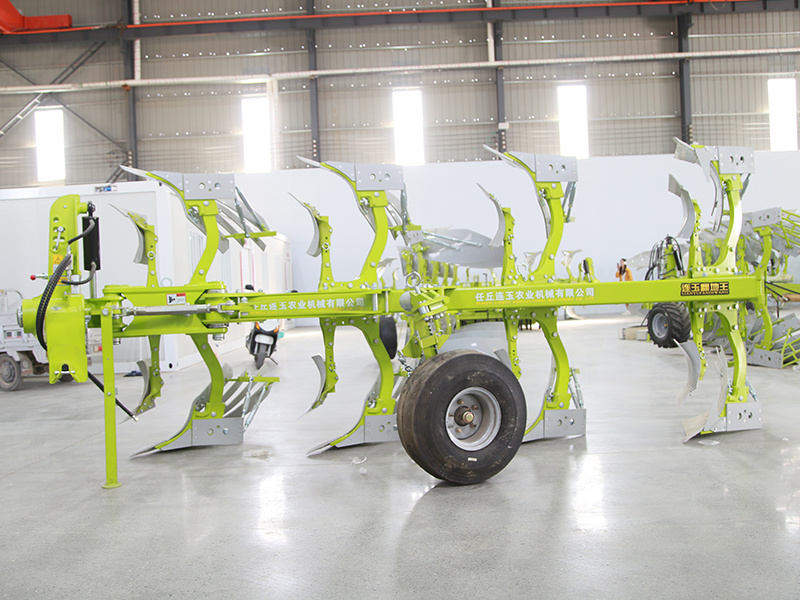
The **design of switch ploughs** revolves around two sets of ploughshares mounted on a frame. This allows for the easy switching of the working side while maintaining consistent depth. Many models incorporate hydraulic systems to facilitate this switching, making it a seamless operation for the user.
4.2 Operating Principles
When operating a switch plough, the farmer engages the plough into the soil, and once a specified area is ploughed, they can simply flip the plough to start working in the opposite direction. This eliminates the need to lift and reposition the implement, making it an efficient choice for farmers.
5. Applications of Switch Ploughs in Modern Agriculture
Switch ploughs are versatile tools applicable in various farming scenarios. They can be utilized in both **conventional** and **organic farming**, making them suitable for different agricultural practices. Additionally, they are effective in preparing seedbeds, managing cover crops, and integrating organic matter back into the soil.
6. The Sustainability Impact of Switch Ploughs
Switch ploughs contribute not only to individual farm productivity but also to broader environmental sustainability. Their ability to reduce fuel consumption, minimize soil disturbance, and enhance soil health directly aligns with agricultural sustainability goals. Adopting such technology can help combat climate change and promote biodiversity in farming systems.
7. Case Studies: Success Stories Using Switch Ploughs
Several farmers have documented their experiences with switch ploughs, showcasing their benefits:
- **Case Study 1:** A farm in California adopted switch ploughs to transition to organic farming. The farmer reported significant improvements in soil quality and crop yields, crediting the ploughs for their ability to manage soil health effectively.
- **Case Study 2:** In a Midwestern farm, switch ploughs were used to enhance the efficiency of planting cover crops. Farmers observed that the ploughs helped incorporate organic matter into the soil, resulting in better moisture retention and reduced erosion.
These case studies illustrate how switch ploughs can transform farming practices, leading to more sustainable outcomes.
8. The Future of Switch Ploughs in Agriculture
As technology advances, the design and functionality of switch ploughs are expected to evolve. Innovations such as smart technology integration, which allows farmers to monitor soil conditions and ploughing depth in real-time, will enhance the effectiveness of these implements. Additionally, the ongoing push for sustainable practices will likely drive more farmers towards adopting switch ploughs.
9. Conclusion
Switch ploughs represent a significant advancement in agricultural technology, offering multiple benefits that align with the principles of sustainable agriculture. From enhancing soil health and reducing erosion to improving farming efficiency, these tools are indeed **unsung heroes** in the quest for sustainable farming practices. As we look to the future, the continued adoption and innovation surrounding switch ploughs will play a critical role in promoting environmental stewardship in agriculture.
10. Frequently Asked Questions
What is the main advantage of using switch ploughs over traditional ploughs?
The main advantage is their reversible design, which allows farmers to plough larger areas more efficiently, reducing time and resource consumption.
How do switch ploughs improve soil health?
Switch ploughs minimize soil disturbance, preserving its structure and promoting beneficial microbial activity, which is essential for nutrient cycling.
Are switch ploughs suitable for all types of soil?
Yes, switch ploughs can be used in various soil types, making them versatile and suitable for many agricultural practices.
What maintenance is required for switch ploughs?
Regular maintenance includes checking the blades for wear and tear, ensuring the hydraulic system is functioning properly, and keeping the frame clean.
Can switch ploughs be used in organic farming?
Yes, switch ploughs are highly effective in organic farming practices, helping to incorporate organic matter into the soil and manage cover crops.
In summary, the adoption of switch ploughs can greatly enhance the sustainability and efficiency of modern agriculture, marking a critical step towards environmentally conscious farming practices.
Keywords:
Contact Us
Whatsapp:
Email:
Address:
Ge Xin Zhuang Industrial Zone, Yi Lun Bao Township, Ren Qiu City, Hebei Province,China
Online Message
We will contact you within one business day. Please pay attention to your email address.
Quick Navigation
Contact Information
Our company mainly produces various hydraulic flip plows and power harrows. Welcome to visit and follow our website and social media, and feel free to contact us to discuss business.
Telephone: +86 15833369696 (WeChat)
Email: wu@lynyjt.com
Address: Ge Xinzhuang Industrial Zone, Yilunbao Township, Renqiu City, Hebei Province,China


Online Message