Gexinzhuang Industrial Zone, Yilunbao Town, Renqiu City, Hebei Province, China



How Heavy-Duty Power Harrows Transform Soil Preparation: A Comprehensive Guide
2026-02-22
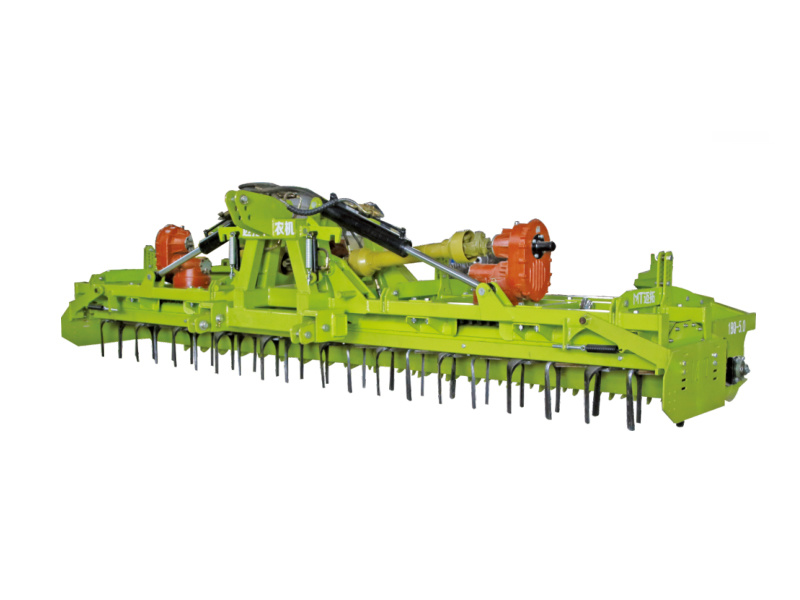
How Heavy-Duty Power Harrows Transform Soil Preparation
Table of Contents
- 1. Introduction to Heavy-Duty Power Harrows
- 2. Benefits of Using Heavy-Duty Power Harrows
- 3. How Heavy-Duty Power Harrows Work
- 4. Different Types of Power Harrows Available
- 5. Applications of Power Harrows in Agriculture
- 6. Maintenance and Care for Power Harrows
- 7. Power Harrows vs. Traditional Tillage Methods
- 8. The Future of Power Harrows and Soil Preparation
- 9. Frequently Asked Questions
- 10. Conclusion
1. Introduction to Heavy-Duty Power Harrows
Heavy-duty power harrows are essential tools in modern agriculture, significantly enhancing soil preparation processes. Designed with advanced engineering, these machines prepare the soil for planting by breaking up clumps, mixing in organic matter, and creating a fine seedbed. This article delves into how power harrows transform soil preparation, the benefits they offer, and their crucial role in sustainable farming practices.
2. Benefits of Using Heavy-Duty Power Harrows
The use of heavy-duty power harrows brings numerous advantages to farmers:
Increased Efficiency
Power harrows are designed to cover larger areas in less time compared to traditional tillage methods. Their robust construction allows for deeper penetration into the soil, which means fewer passes are required to achieve optimal soil conditions.
Improved Soil Structure
One of the most significant benefits of power harrows is their ability to improve soil structure. They break up compacted soil, allowing better air circulation and water infiltration, which are vital for healthy root growth.
Reduced Soil Erosion
By preparing the soil more effectively, heavy-duty power harrows help reduce soil erosion. Their design minimizes disturbance, maintaining soil integrity and promoting the retention of nutrients and moisture.
Better Weed Control
The precise action of power harrows helps in managing weeds more efficiently. By disrupting weed growth during soil preparation, farmers can reduce the need for chemical herbicides, contributing to more sustainable farming practices.
Versatility in Soil Types
Heavy-duty power harrows can be utilized in various soil types, including clay, sandy, and loamy soils. This versatility makes them invaluable tools for farmers across different regions and farming conditions.
3. How Heavy-Duty Power Harrows Work
Understanding how heavy-duty power harrows function is key to appreciating their benefits.
The Components of Power Harrows
Power harrows consist of several essential components that work in harmony to prepare soil effectively:
- **Rotating Tines:** These are the primary working parts that break up the soil and create a fine seedbed. Tines can vary in shape and size, depending on the model and intended soil type.
- **Frame Structure:** A sturdy frame supports the tines and ensures the harrow remains stable during operation, allowing for consistent soil preparation.
- **Power Source:** Most heavy-duty power harrows are attached to a tractor, which provides the necessary power to operate the tines.
The Operating Process
When a power harrow is engaged, the rotating tines dig into the soil, turning it over and mixing it with any organic matter present. This action not only prepares the soil for planting but also enhances its nutrient content. Additionally, the adjustable depth settings on many power harrows allow farmers to customize the operation based on crop requirements and soil conditions.
4. Different Types of Power Harrows Available
Heavy-duty power harrows are available in various configurations to suit different farming needs. Here are some of the most common types:
Mounted Power Harrows
These harrows are attached directly to the tractor, making them easy to maneuver. They are ideal for small to medium-sized farms and are designed for efficiency and ease of use.
Trailed Power Harrows
Trailed power harrows are towed behind the tractor, providing additional weight and stability during operation. They are suitable for larger farms and can handle more demanding soil conditions.
Combination Power Harrows
Some models combine the functionalities of a power harrow and other tools, such as seeders or rollers. These all-in-one solutions streamline the soil preparation process and save time.
5. Applications of Power Harrows in Agriculture
Heavy-duty power harrows have a wide range of applications in agriculture, making them valuable assets for farmers:
Seedbed Preparation
One of the primary uses of power harrows is creating an optimal seedbed. They ensure that the soil is finely tilled and well-aerated, providing seeds with the best chance of germination.
Incorporating Organic Matter
Farmers often use power harrows to mix organic matter, such as compost or cover crops, into the soil. This incorporation enriches the soil, enhancing its fertility and structure.
Pre-planting Soil Conditioning
Before planting, power harrows can be used to condition the soil. This involves breaking up large clumps and smoothing the surface, ensuring uniform planting conditions.
Post-harvest Soil Management
After harvest, power harrows can prepare the field for the next crop cycle by incorporating leftover biomass and managing residual weeds.
6. Maintenance and Care for Power Harrows
To ensure optimal performance and longevity, regular maintenance of heavy-duty power harrows is essential.
Routine Checks
Farmers should regularly inspect the tines, frame, and other components for wear and tear. Early detection of issues can prevent costly repairs down the line.
Lubrication
Proper lubrication of moving parts is crucial for smooth operation. Farmers should follow the manufacturer’s guidelines for lubrication intervals.
Seasonal Preparation
Before the start of each planting season, it is advisable to conduct thorough maintenance, including checking for structural integrity, sharpening tines, and ensuring all mechanical parts are functioning correctly.
7. Power Harrows vs. Traditional Tillage Methods
When comparing heavy-duty power harrows to traditional tillage methods, several key differences emerge.
Effectiveness
Power harrows provide a more refined soil preparation compared to conventional plowing, which can leave large clumps and compacted areas. The fine tilth achieved with power harrows enhances seed-to-soil contact, improving germination rates.
Soil Health
Traditional tillage practices often lead to soil degradation and erosion. In contrast, power harrows minimize soil disturbance, promoting healthier soil ecosystems.
Time and Labor Efficiency
Farmers using power harrows often report reduced operational time and labor costs, as these machines can cover more ground quickly and effectively compared to traditional methods.
8. The Future of Power Harrows and Soil Preparation
As agricultural technology continues to advance, the future of heavy-duty power harrows looks promising. Innovations in design, such as precision farming integration and automated systems, will likely enhance their efficiency and effectiveness.
Smart Technology Integration
The incorporation of smart technology will allow for real-time adjustments during operation, optimizing soil preparation based on varying conditions and requirements.
Environmental Considerations
With growing concerns about sustainable farming practices, the development of eco-friendly power harrows will play a crucial role in reducing environmental impact while maintaining productivity.
9. Frequently Asked Questions
What is a heavy-duty power harrow?
A heavy-duty power harrow is an agricultural implement used for soil preparation, designed to break up and mix soil efficiently, creating an ideal seedbed for planting.
How does a power harrow differ from a traditional plow?
Unlike traditional plowing, which turns over the soil, power harrows finely till and aerate the soil, promoting better seed-to-soil contact and reducing soil compaction.
Can power harrows be used in all soil types?
Yes, heavy-duty power harrows are versatile and can be used in various soil types, including sandy, clay, and loamy soils.
How often should I maintain my power harrow?
Regular maintenance should be conducted before and after each planting season, along with routine checks throughout the season as needed.
What are the advantages of using power harrows in sustainable farming?
Power harrows reduce soil disturbance, promote healthier soil ecosystems, improve moisture retention, and help manage weeds more effectively, all of which contribute to sustainable farming practices.
10. Conclusion
In conclusion, heavy-duty power harrows are transformative tools in the realm of soil preparation. Their ability to enhance soil structure, improve efficiency, and promote sustainable farming practices makes them indispensable for modern farmers. As technology continues to evolve, we can expect even greater advancements in power harrow design and functionality, further solidifying their role in effective agriculture. By adopting heavy-duty power harrows, farmers are not just investing in equipment; they are investing in the health of their soil and the future of their crops.
Keywords:
Contact Us
Whatsapp:
Email:
Address:
Ge Xin Zhuang Industrial Zone, Yi Lun Bao Township, Ren Qiu City, Hebei Province,China
Online Message
We will contact you within one business day. Please pay attention to your email address.
Quick Navigation
Contact Information
Our company mainly produces various hydraulic flip plows and power harrows. Welcome to visit and follow our website and social media, and feel free to contact us to discuss business.
Telephone: +86 15833369696 (WeChat)
Email: wu@lynyjt.com
Address: Ge Xinzhuang Industrial Zone, Yilunbao Township, Renqiu City, Hebei Province,China


Online Message