Gexinzhuang Industrial Zone, Yilunbao Town, Renqiu City, Hebei Province, China



Essential Insights into Land Plowing Equipment for Modern Agriculture
2026-02-01
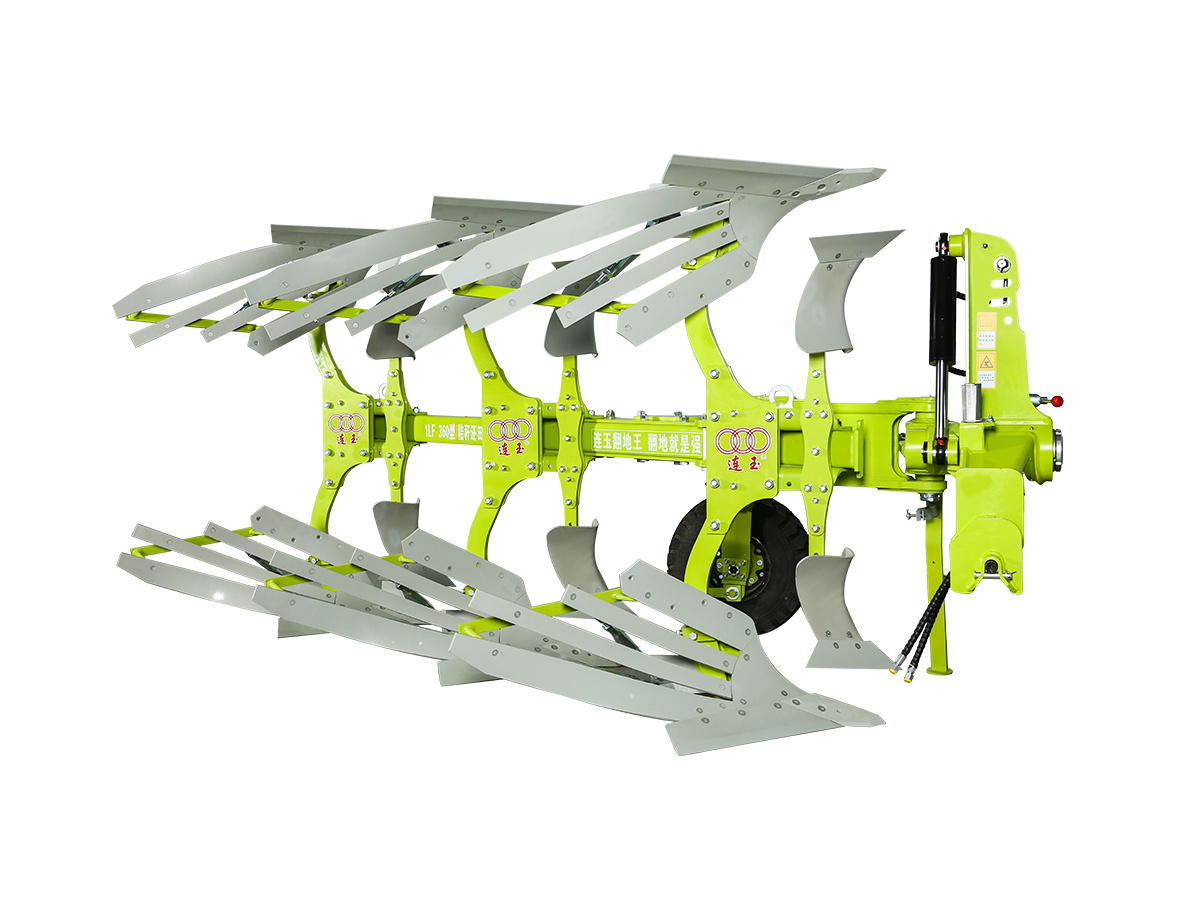
Land plowing equipment encompasses a range of machinery designed to turn over and aerate the soil. This process helps to break up compacted soil, incorporating organic matter and improving drainage. Among the most common types of plowing equipment are moldboard plows, chisel plows, and disc plows, each serving unique purposes in the plowing process.
Moldboard plows are perhaps the most traditional type of plowing equipment, featuring a curved blade that lifts and turns the soil. This type of plow is particularly effective for deep tillage and is excellent for burying crop residues, which can improve soil fertility over time. However, it is essential to use moldboard plows judiciously, as excessive use can lead to soil erosion.
Chisel plows, on the other hand, are designed to penetrate the soil without turning it over entirely. This method retains more of the soil's structure and organic matter, which is beneficial for soil health. By reducing soil disturbance, chisel plowing can help support beneficial microorganisms and improve moisture retention.
Disc plows consist of a series of circular blades that cut through the soil, making them suitable for tougher conditions, such as rocky or hard soils. This versatility allows farmers to adapt their plowing methods to various soil types and conditions, ensuring optimal preparation for planting.
In addition to the types of equipment mentioned, modern advancements have introduced precision agriculture technology that can enhance the efficiency of land plowing equipment. For instance, GPS-guided systems can help ensure that every inch of the field is adequately plowed, reducing overlaps and optimizing fuel usage.
Moreover, the integration of data analytics allows farmers to monitor soil health and make informed decisions about when and how to plow. This data-driven approach not only maximizes productivity but also promotes sustainable farming practices by minimizing unnecessary soil disruption.
In conclusion, land plowing equipment is an integral component of the agricultural sector. By selecting the appropriate type of plowing equipment and employing modern technologies, farmers can significantly improve soil conditions, enhance crop yields, and contribute to sustainable farming practices. Understanding the nuances of land plowing equipment is essential for any agricultural professional aiming to optimize their operations and ensure the longevity of their farming practices.
Keywords:
Contact Us
Whatsapp:
Email:
Address:
Ge Xin Zhuang Industrial Zone, Yi Lun Bao Township, Ren Qiu City, Hebei Province,China
Online Message
We will contact you within one business day. Please pay attention to your email address.
Quick Navigation
Contact Information
Our company mainly produces various hydraulic flip plows and power harrows. Welcome to visit and follow our website and social media, and feel free to contact us to discuss business.
Telephone: +86 15833369696 (WeChat)
Email: wu@lynyjt.com
Address: Ge Xinzhuang Industrial Zone, Yilunbao Township, Renqiu City, Hebei Province,China


Online Message