Gexinzhuang Industrial Zone, Yilunbao Town, Renqiu City, Hebei Province, China



Maximize Your Yield: The Essential Guide to Land Plowing Equipment
2026-01-16
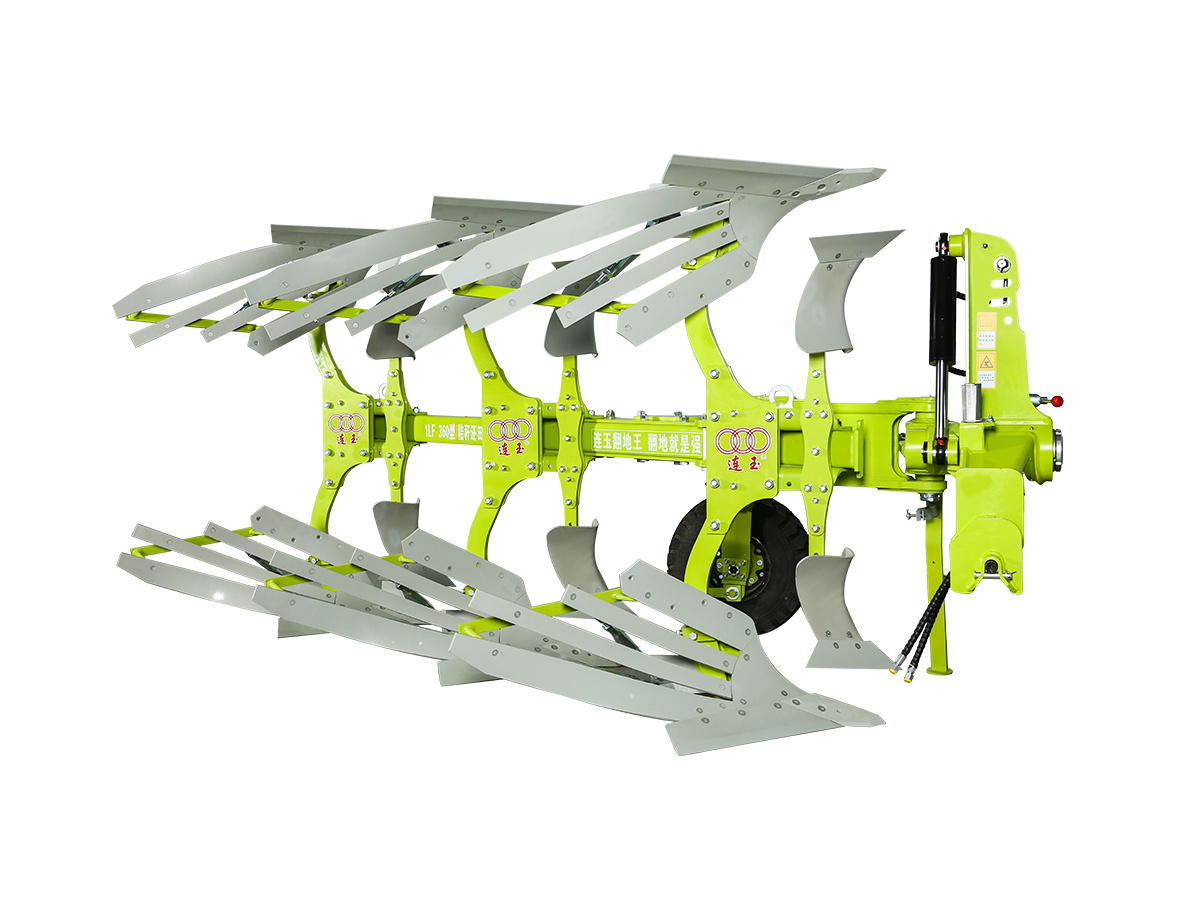
Maximize Your Yield: The Essential Guide to Land Plowing Equipment
Table of Contents
- Introduction to Land Plowing Equipment
- The Importance of Efficient Land Plowing
- Types of Land Plowing Equipment
- How to Choose the Right Plowing Equipment
- Maintenance Best Practices for Longevity
- Technological Advancements in Plowing Equipment
- Sustainable Practices in Land Plowing
- Frequently Asked Questions
- Conclusion
Introduction to Land Plowing Equipment
In the world of agriculture, the foundation for **successful crop production** lies in effective soil preparation. Land plowing equipment plays a crucial role in this process, allowing farmers to cultivate their fields efficiently and effectively. As we delve into this guide, we will explore various types of plowing equipment, their benefits, and how to choose the right tools for your farm.
The Importance of Efficient Land Plowing
Efficient land plowing is essential for several reasons:
Soil Aeration and Structure Improvement
Plowing helps in **breaking up compacted soil**, enhancing its structure and aeration. This process allows better water infiltration, root penetration, and nutrient absorption.
Weed and Pest Control
By turning the soil, plowing uproots weeds and disrupts the habitat of pests. This natural method reduces the need for chemical interventions, promoting healthier crops.
Nutrient Incorporation
Plowing mixes organic matter and fertilizers into the soil, ensuring that nutrients are evenly distributed. This practice not only improves fertility but also supports sustainable farming methods.
Types of Land Plowing Equipment
Understanding the types of plowing equipment available is vital for selecting the right tools for your agricultural needs. Here's an overview of the most common types:
1. Plows
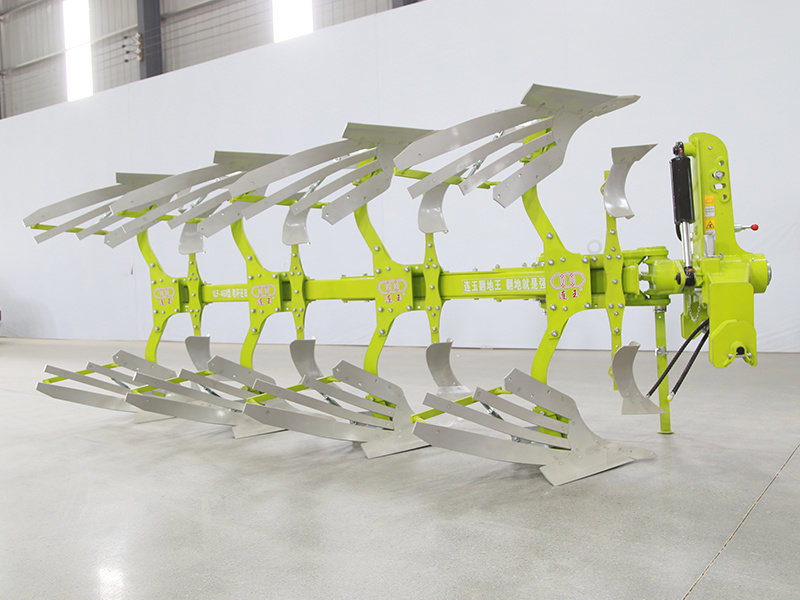
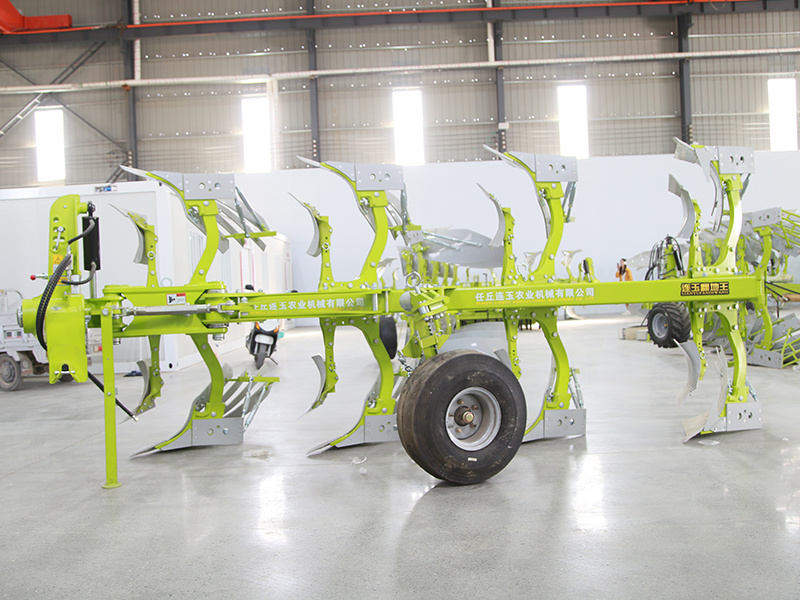
Plows are the cornerstone of land preparation. They come in various designs, including moldboard, chisel, and disc plows. Each type serves a specific purpose and is suited for different soil conditions. Moldboard plows are ideal for turning over the topsoil, while chisel plows break up hardpan layers without inverting the soil.
2. Disk Harrows
Disk harrows consist of a series of metal disks that cut and break up soil. They are particularly effective for mixing soil and preparing seedbeds. Disk harrows can be used in various stages of land preparation, making them versatile tools in any farmer's arsenal.
3. Field Cultivators
Field cultivators are designed for shallow tillage, making them perfect for seedbed preparation and weed control. These tools can be adjusted to work at different depths, allowing farmers to customize their approach based on specific crop needs.
4. Subsoilers
Subsoilers are specialized tools that penetrate deep into the soil to break up compacted layers. This equipment promotes better drainage and root growth, ensuring that crops have access to moisture and nutrients.
5. Rotary Tillers
Rotary tillers are excellent for smaller fields and gardens. They use rotating blades to aerate and break up the soil, creating a fine seedbed for planting. Their compact design makes them ideal for limited spaces.
How to Choose the Right Plowing Equipment
Selecting the appropriate plowing equipment requires careful consideration of various factors:
1. Identify Soil Type
Different soil types necessitate different plowing methods. Sandy soils may require lighter equipment, while clay soils may need more robust tools to handle compaction.
2. Consider Farm Size
The size of your farm will dictate the type and scale of equipment you should invest in. Larger farms may benefit from more extensive machinery, while smaller operations might find compact tools more manageable.
3. Evaluate Crop Types
Different crops have unique requirements. Understanding these needs can help you select equipment that optimizes growth conditions for your specific plants.
4. Budget Constraints
While investing in quality equipment is crucial, it’s also important to work within your budget. Consider both the upfront investment and the long-term maintenance costs associated with different types of plowing equipment.
5. Seek Expert Advice
Don’t hesitate to consult with agricultural experts or local extension services. They can provide invaluable insights into which equipment works best for your region and farming practices.
Maintenance Best Practices for Longevity
Proper maintenance of your plowing equipment can greatly extend its lifespan and ensure optimal performance.
1. Regular Inspections
Conduct routine inspections for signs of wear and tear. Check blades, bearings, and hydraulic systems to identify any issues early on.
2. Cleaning After Use
Soil and debris can build up on your equipment, leading to rust and inefficiency. Clean your tools thoroughly after each use to maintain their condition.
3. Lubrication
Regularly lubricate moving parts to prevent friction and wear. This simple step can enhance the efficiency of your equipment significantly.
4. Proper Storage
Store equipment in a dry, sheltered location to protect it from the elements. This practice prevents rust and prolongs the life of your tools.
Technological Advancements in Plowing Equipment
The agricultural industry is experiencing rapid technological advancements that enhance efficiency and sustainability.
1. GPS Technology
GPS-guided plowing equipment allows for precise navigation and field mapping, ensuring optimal coverage and minimal overlap. This technology can significantly reduce fuel costs and improve productivity.
2. Automation and Robotics
Automated and robotic plowing systems are revolutionizing farming. These systems can operate with minimal human intervention, allowing farmers to focus on other critical tasks.
3. Integrated Farming Systems
Modern plowing equipment often integrates with other farming technology, such as crop monitoring systems. This integration provides comprehensive data that aids in decision-making and boosts yields.
Sustainable Practices in Land Plowing
Adopting sustainable practices not only benefits the environment but can also improve long-term profitability.
1. Conservation Tillage
Conservation tillage minimizes soil disturbance, preserving soil structure and health. This practice reduces erosion and enhances water retention.
2. Cover Cropping
Utilizing cover crops can improve soil fertility and structure while reducing weed pressure. This beneficial practice supports biodiversity and enhances ecosystem health.
3. Crop Rotation
Implementing crop rotation strategies can help manage soil nutrients and prevent pest buildup. Rotating crops minimizes the risk of soil degradation, fostering a more sustainable farming system.
Frequently Asked Questions
1. What is the best type of plow for small farms?
For small farms, a **moldboard plow** or a **rotary tiller** is often the best choice due to their ease of use and effectiveness in smaller spaces.
2. How often should I plow my fields?
The frequency of plowing depends on your crop rotation and soil conditions. Generally, it's best to plow only when necessary to maintain soil health.
3. What should I look for when buying used plowing equipment?
Inspect for signs of wear, check hydraulic systems, and ensure that all moving parts are functional. It's also wise to verify the equipment's maintenance history.
4. Can plowing be harmful to soil health?
Yes, excessive plowing can lead to soil erosion and degradation. It's important to use plowing techniques that maintain soil structure.
5. Are there environmentally friendly plowing options available?
Yes, many manufacturers now offer equipment designed for conservation tillage, which minimizes soil disturbance and fosters sustainability.
Conclusion
In conclusion, understanding and utilizing the right land plowing equipment is essential for maximizing yields and ensuring sustainable agricultural practices. By selecting appropriate tools, maintaining them properly, and adopting modern techniques, farmers can significantly enhance their productivity and contribute to a healthier environment. This essential guide serves as a valuable resource, empowering you to make informed decisions that will lead to successful crop production and sustainable farming practices.
Keywords:
Contact Us
Whatsapp:
Email:
Address:
Ge Xin Zhuang Industrial Zone, Yi Lun Bao Township, Ren Qiu City, Hebei Province,China
Online Message
We will contact you within one business day. Please pay attention to your email address.
Quick Navigation
Contact Information
Our company mainly produces various hydraulic flip plows and power harrows. Welcome to visit and follow our website and social media, and feel free to contact us to discuss business.
Telephone: +86 15833369696 (WeChat)
Email: wu@lynyjt.com
Address: Ge Xinzhuang Industrial Zone, Yilunbao Township, Renqiu City, Hebei Province,China


Online Message