Gexinzhuang Industrial Zone, Yilunbao Town, Renqiu City, Hebei Province, China



Unlocking the Power of Farming with Heavy-Duty Flip Ploughs
2025-12-29
Unlocking the Power of Farming with Heavy-Duty Flip Ploughs
Farming has continuously evolved over the years, driven by the need for greater efficiency, sustainability, and productivity. Among the essential tools that have emerged, **heavy-duty flip ploughs** stand out as a game changer in modern agriculture. These robust implements not only enhance soil management but also significantly contribute to crop yield improvements. In this comprehensive guide, we will delve deep into the workings, advantages, and effective usage of heavy-duty flip ploughs, ensuring that you can maximize their potential on your farm.
Table of Contents
1. What is a Flip Plough?
2. Benefits of Heavy-Duty Flip Ploughs
3. Operating Principles of Heavy-Duty Flip Ploughs
4. Best Practices for Using Flip Ploughs
5. The Impact of Flip Ploughs on Soil Health
6. Comparison with Other Plough Types
7. The Economic Benefits of Using Flip Ploughs
8. Frequently Asked Questions
9. Conclusion
What is a Flip Plough?
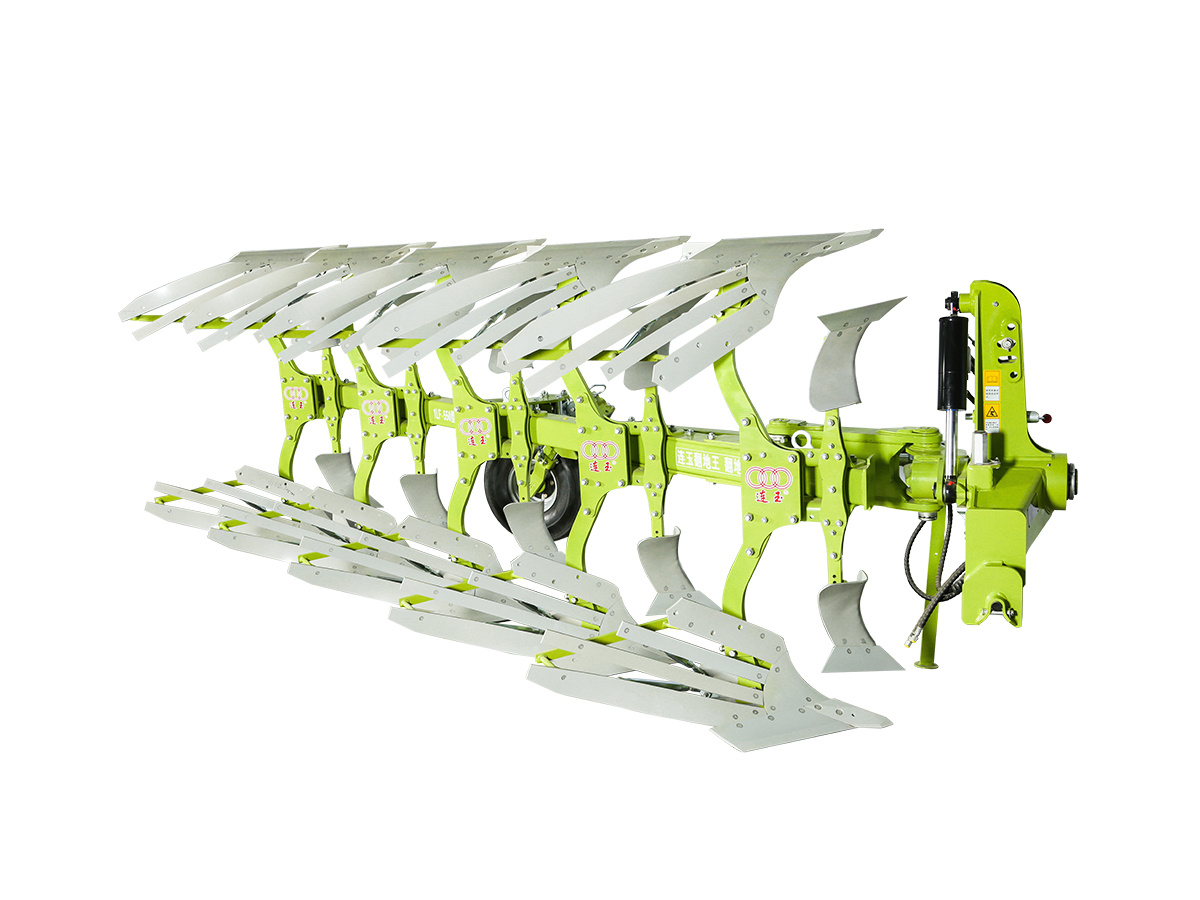
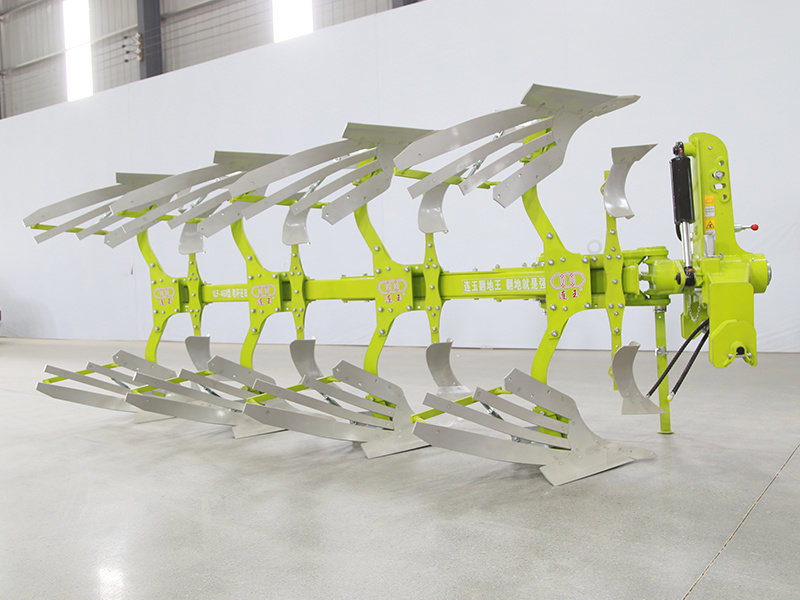
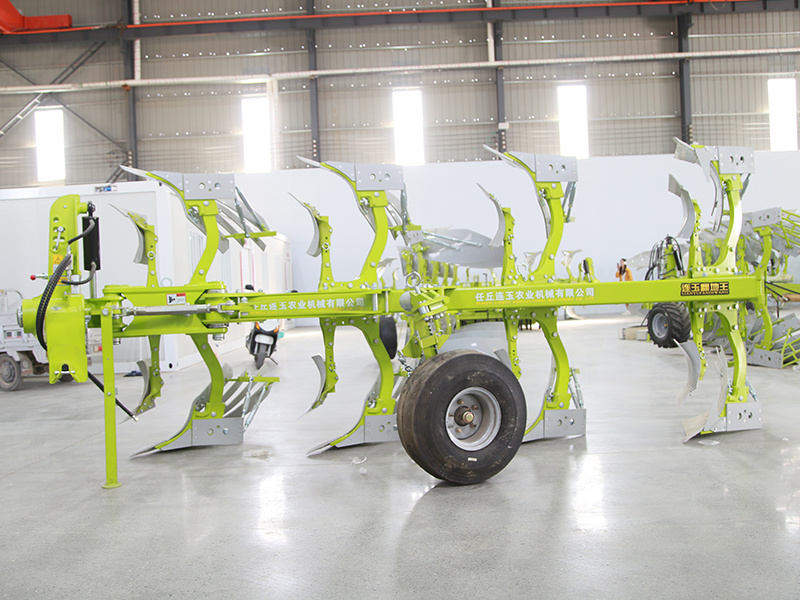
A **flip plough**, often referred to as a reversible plough, is a type of implement used in agriculture for tilling soil. Unlike traditional ploughs, a flip plough is designed to turn the soil over without the need to lift and reposition the implement after each row. It features two sets of moldboards that can be flipped from one side to the other, allowing for a more efficient tilling process. This mechanism not only saves time but also reduces soil compaction and improves the overall health of the farmland.
Benefits of Heavy-Duty Flip Ploughs
The integration of heavy-duty flip ploughs into farming practices brings forth several benefits:
Enhanced Soil Structure
By inverting the soil, flip ploughs aerate and mix the top layers with deeper soil. This process enhances soil structure, improves drainage, and promotes better root development for crops.
Improved Crop Yields
With better soil health and structure, crops can access nutrients and water more effectively. This leads to healthier plants and ultimately increases crop yield, making flip ploughs an invaluable asset for farmers aiming for high productivity.
Reduced Labor and Fuel Costs
The efficiency of flip ploughs means that farmers can cover larger areas with less effort. This efficiency translates to reduced labor hours and fuel consumption, which can significantly cut operational costs.
Versatility Across Different Soils
Heavy-duty flip ploughs are designed to handle various soil types, from sandy to clay-heavy soils. This versatility makes them suitable for multiple farming environments and crops.
Environmental Benefits
Flip ploughs promote sustainable farming practices. By maintaining soil health, they help reduce erosion and runoff, contributing to a more sustainable agricultural ecosystem.
Operating Principles of Heavy-Duty Flip Ploughs
Understanding how flip ploughs operate is essential for maximizing their effectiveness. The key operating principles include:
Reversibility
The ability to reverse the moldboard allows farmers to plough in both directions, which optimizes the tilling process and reduces headlands. This feature is particularly beneficial in large fields where efficiency is paramount.
Adjustable Depth Control
Most heavy-duty flip ploughs come with adjustable depth settings, enabling farmers to customize the tillage depth based on crop requirements and soil conditions. This flexibility aids in achieving optimal soil conditions for different crops.
Heavy-Duty Construction
Designed to withstand rigorous use, heavy-duty flip ploughs feature robust materials and construction. This durability ensures a longer lifespan and reliable performance, making them a worthy investment for any farming operation.
Best Practices for Using Flip Ploughs
To fully leverage the benefits of heavy-duty flip ploughs, farmers should follow these best practices:
Regular Maintenance
Routine inspections and maintenance are crucial for ensuring that the plough operates efficiently. Regularly check for wear and tear on the moldboards and other components, and replace them as necessary.
Soil Assessment
Before ploughing, assess the soil condition and moisture levels. Understanding these factors can help determine the appropriate depth and speed for ploughing, leading to better results.
Proper Alignment
Ensure that the plough is properly aligned before starting. Misalignment can lead to uneven tilling and may damage the implement over time.
Timing and Conditions
Choose the right timing for ploughing. Ideally, aim for days when the soil is moist but not overly wet, as this can lead to clumping and compaction.
The Impact of Flip Ploughs on Soil Health
Soil health is fundamental to successful farming, and heavy-duty flip ploughs play a significant role in maintaining it:
Soil Aeration
By turning the soil, flip ploughs enhance aeration, which is vital for root respiration. This improved airflow encourages a thriving underground ecosystem, essential for plant growth.
Nutrient Distribution
The inversion process mixes organic matter and nutrients from the surface with deeper soil layers. This mixing promotes nutrient availability, allowing crops to access essential elements needed for growth.
Erosion Control
By promoting better soil structure and reducing compaction, heavy-duty flip ploughs help in mitigating soil erosion. This is especially important in regions prone to heavy rainfall, where topsoil can easily be washed away.
Comparison with Other Plough Types
When considering the adoption of heavy-duty flip ploughs, it is essential to compare them with other tillage implements:
Conventional Ploughs
While conventional ploughs effectively turn soil, they often require more time and can lead to soil compaction. Flip ploughs, on the other hand, offer improved efficiency and reduced compaction.
Chisel Ploughs
Chisel ploughs are designed for minimal soil disturbance, which is excellent for preserving soil structure. However, they may not offer the same level of soil mixing and aeration as flip ploughs, making the latter a better choice for certain crops and conditions.
The Economic Benefits of Using Flip Ploughs
Integrating heavy-duty flip ploughs into your farming operation can yield substantial economic advantages:
Increased Efficiency
With their ability to cover more ground in less time, flip ploughs can significantly enhance operational efficiency. This increased efficiency means that farmers can focus on other critical tasks without sacrificing productivity.
Cost Savings
The reduction in fuel consumption and labor costs translates into tangible savings for farmers. Over time, these savings can offset the initial investment in heavy-duty flip ploughs.
Higher Profit Margins
By improving crop yields and reducing operational costs, flip ploughs contribute to higher profit margins for farmers. This financial benefit can be crucial in ensuring the sustainability of farming operations.
Frequently Asked Questions
1. How does a heavy-duty flip plough differ from a traditional plough?
Heavy-duty flip ploughs can reverse the direction of ploughing without having to reposition, allowing for more efficient use of time and resources.
2. What types of soil are best suited for flip ploughs?
Flip ploughs are versatile and can be used effectively in various soil types, including sandy and clay soils, making them suitable for most farming environments.
3. How deep should a flip plough be set?
The depth setting depends on the crop type and soil condition. It is generally advisable to adjust the depth based on the needs of the specific crop being planted.
4. Can flip ploughs be used in wet conditions?
It is best to avoid using flip ploughs in overly wet conditions, as this can lead to soil compaction and clumping.
5. What maintenance does a flip plough require?
Regular maintenance involves checking for wear on moldboards, ensuring proper alignment, and performing routine inspections to maintain optimal performance.
Conclusion
Heavy-duty flip ploughs have revolutionized modern agriculture, offering a myriad of benefits from improved soil health to enhanced crop yields and economic advantages. By understanding their operation, adhering to best practices, and recognizing their impact on farming efficiency, farmers can unlock the full potential of these powerful tools. Transitioning to heavy-duty flip ploughs is not just an investment in equipment; it is an investment in the future of sustainable and productive farming. Embrace the power of heavy-duty flip ploughs and transform your agricultural practices today.
Keywords:
Contact Us
Whatsapp:
Email:
Address:
Ge Xin Zhuang Industrial Zone, Yi Lun Bao Township, Ren Qiu City, Hebei Province,China
Online Message
We will contact you within one business day. Please pay attention to your email address.
Quick Navigation
Contact Information
Our company mainly produces various hydraulic flip plows and power harrows. Welcome to visit and follow our website and social media, and feel free to contact us to discuss business.
Telephone: +86 15833369696 (WeChat)
Email: wu@lynyjt.com
Address: Ge Xinzhuang Industrial Zone, Yilunbao Township, Renqiu City, Hebei Province,China


Online Message