Gexinzhuang Industrial Zone, Yilunbao Town, Renqiu City, Hebei Province, China



Unlocking the Benefits of Using a Reversible Tractor Plow in Modern Farming
2025-12-16
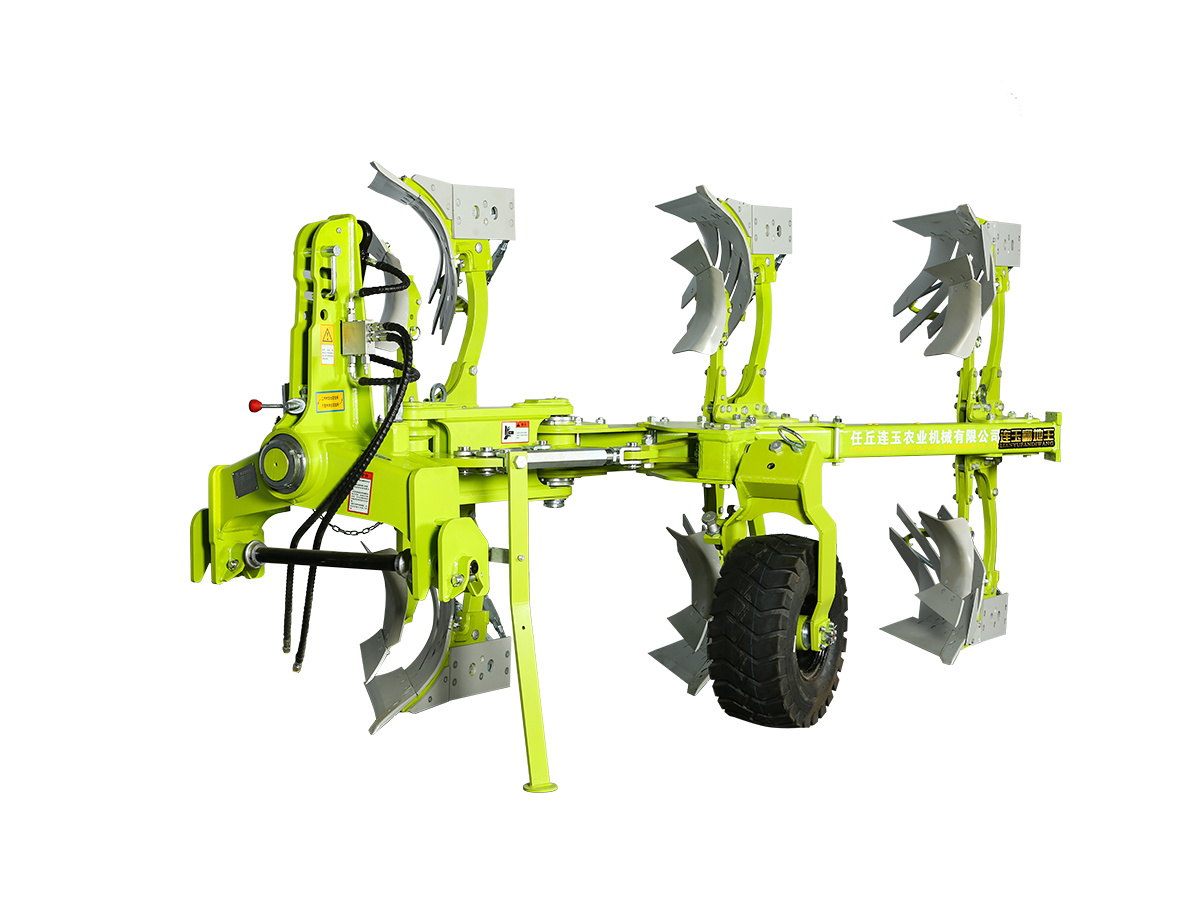
Unlocking the Benefits of Using a Reversible Tractor Plow in Modern Farming
Table of Contents
1. Introduction to Reversible Tractor Plows
2. The Mechanism Behind Reversible Plows
3. Advantages of Reversible Tractor Plows
3.1 Increased Efficiency in Plowing
3.2 Enhanced Soil Structure and Health
3.3 Cost-Effectiveness and Resource Management
3.4 Versatility Across Different Soil Types
4. Choosing the Right Reversible Plow for Your Farm
5. Best Practices for Operating Reversible Tractor Plows
6. Common Mistakes to Avoid When Using Reversible Plows
7. Conclusion
8. Frequently Asked Questions (FAQs)
1. Introduction to Reversible Tractor Plows
In today’s fast-evolving agricultural landscape, efficiency and sustainability are paramount. Reversible tractor plows have emerged as game-changers, offering farmers a modern solution to traditional plowing methods. These plows allow for efficient turnaround, enabling farmers to cultivate fields with minimal time and effort. By reversing the plow's direction with a simple adjustment, farmers can cover more ground faster while achieving superior soil preparation.
2. The Mechanism Behind Reversible Plows
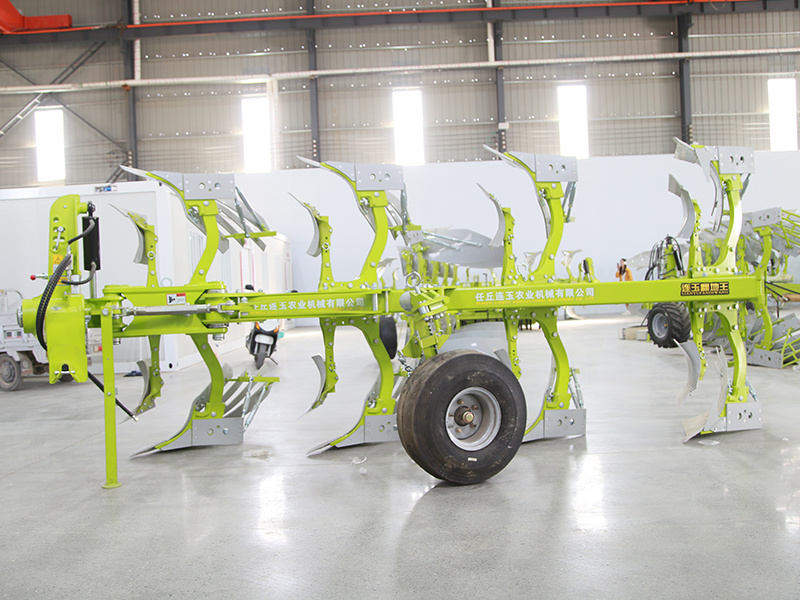
Understanding how reversible tractor plows work is essential to appreciate their benefits. These plows feature a unique design that allows the operator to switch the direction of the plowshares without needing to lift and reposition the entire unit. This mechanism reduces wear and tear on the machinery and allows for continuous operation in both directions. The hydraulic system controls the plow's orientation, making it user-friendly and adaptable for different types of terrain and soil conditions.
3. Advantages of Reversible Tractor Plows
Reversible tractor plows come with numerous advantages that can significantly impact farming operations.
3.1 Increased Efficiency in Plowing
One of the most significant benefits of using a reversible tractor plow is its efficiency. Traditional plowing methods require farmers to make multiple passes over the same area, resulting in wasted time and fuel. With a reversible plow, farmers can make continuous passes, thereby reducing plowing time by up to 50%. This efficiency allows farmers to allocate more time to planting and harvesting, ultimately increasing crop yields.
3.2 Enhanced Soil Structure and Health
Proper soil preparation is crucial for healthy crop growth. Reversible tractor plows help aerate the soil and mix organic matter effectively, promoting better drainage and root development. By turning the soil over and exposing different layers, these plows enhance microbial activity, leading to improved soil fertility. The incorporation of crop residues and other organic materials supports sustainable farming practices and boosts long-term soil health.
3.3 Cost-Effectiveness and Resource Management
Investing in a reversible tractor plow can lead to significant cost savings in the long run. The ability to complete plowing tasks more quickly translates into reduced labor costs and lower fuel consumption. Furthermore, the enhanced soil structure reduces the need for additional fertilization and irrigation, making it a cost-effective solution for budget-conscious farmers. Over time, these savings can accumulate, providing farmers with a strong return on their investment.
3.4 Versatility Across Different Soil Types
Reversible tractor plows are designed to adapt to a wide range of soil types, from sandy loams to heavy clay. This versatility makes them an ideal choice for farms with diverse cropping systems. Additionally, farmers can adjust the plow for various depths, allowing for customized soil preparation according to specific crop requirements. This adaptability is crucial for maximizing productivity and ensuring that each crop receives the appropriate care.
4. Choosing the Right Reversible Plow for Your Farm
Selecting the appropriate reversible tractor plow involves evaluating several factors, including farm size, soil type, and tractor compatibility. Here are some crucial considerations:
- **Plow Size**: Ensure the plow size matches your tractor's horsepower and the acreage you need to cover. Larger plows can handle more extensive tasks but require more powerful tractors.
- **Plow Type**: Different reversible plows cater to various soil conditions. Choose a model with adjustable shares and moldboards to tackle diverse planting needs.
- **Durability and Construction**: Opt for plows made from high-quality materials that withstand wear and tear, as they will provide better longevity and performance.
5. Best Practices for Operating Reversible Tractor Plows
To maximize the benefits of a reversible tractor plow, follow these best practices:
- **Proper Maintenance**: Regularly check and maintain the plow's components to ensure optimal performance. Lubricate moving parts, inspect for wear, and replace damaged elements promptly.
- **Adjusting Settings**: Before starting plowing, set the plow to the correct depth and angle based on soil type and crop requirements. This adjustment is crucial for effective soil turnover.
- **Speed Management**: Maintain an appropriate speed while plowing. Too fast can lead to incomplete soil turnover, while too slow may reduce efficiency.
6. Common Mistakes to Avoid When Using Reversible Plows
Even experienced farmers can make mistakes when operating reversible tractor plows. Here are some common pitfalls to avoid:
- **Neglecting Soil Conditions**: Failing to consider soil moisture and texture can lead to poor plowing results. Always test soil conditions before beginning.
- **Incorrect Plow Adjustment**: Improperly setting the plow height or angle can cause uneven soil preparation and affect crop growth.
- **Ignoring Safety Protocols**: Always adhere to safety guidelines when operating heavy machinery. Ensure that all safety equipment is in place and that operators are trained.
7. Conclusion
The utilization of reversible tractor plows represents a significant advancement in modern farming techniques. By enhancing efficiency, improving soil health, and providing cost-effective solutions, these tools are essential for farmers looking to optimize their operations. The versatility and adaptability of reversible plows make them invaluable in meeting the challenges of today’s agricultural demands. As farming continues to evolve, investing in such innovative equipment will undoubtedly pave the way for sustainable and productive farming practices.
8. Frequently Asked Questions (FAQs)
1. What is a reversible tractor plow?
A reversible tractor plow is a type of plow that allows the operator to change the direction of the plowshares without lifting and repositioning the entire unit, enabling continuous plowing.
2. How does a reversible plow improve efficiency?
By allowing the operator to plow in both directions without turning the tractor around, reversible plows can reduce the time and fuel needed for plowing tasks by up to 50%.
3. Can reversible plows be used in different soil types?
Yes, reversible tractor plows are designed to adapt to various soil conditions, making them suitable for use in sandy, loamy, and clay soils.
4. How do I maintain a reversible tractor plow?
Regular maintenance includes lubricating moving parts, checking for wear, and replacing damaged components to ensure optimal performance.
5. What are the best practices for using a reversible tractor plow?
Best practices include proper maintenance, adjusting settings based on soil type, and managing speed to maximize plowing effectiveness.
Keywords:

Contact Us
Whatsapp:
Email:
Address:
Ge Xin Zhuang Industrial Zone, Yi Lun Bao Township, Ren Qiu City, Hebei Province,China
Online Message
We will contact you within one business day. Please pay attention to your email address.
Quick Navigation
Contact Information
Our company mainly produces various hydraulic flip plows and power harrows. Welcome to visit and follow our website and social media, and feel free to contact us to discuss business.
Telephone: +86 15833369696 (WeChat)
Email: wu@lynyjt.com
Address: Ge Xinzhuang Industrial Zone, Yilunbao Township, Renqiu City, Hebei Province,China


Online Message