Gexinzhuang Industrial Zone, Yilunbao Town, Renqiu City, Hebei Province, China



Unlocking the Benefits of China Moldboard Plows for Modern Farming
2025-11-28
Unlocking the Benefits of China Moldboard Plows for Modern Farming
Introduction to Moldboard Plows in Agriculture
In the realm of modern farming, the significance of efficient tillage practices cannot be overstated. Moldboard plows have emerged as invaluable tools that facilitate soil preparation, enhance crop productivity, and promote sustainable farming methods. Originating from the rich agricultural heritage of China, these plows have undergone significant advancements, making them essential in today’s agricultural landscape.
The Evolution of Moldboard Plows
From conventional wooden designs to contemporary steel structures, the evolution of moldboard plows reflects advancements in agricultural engineering. Early versions were rudimentary, primarily used for breaking up the soil. However, modern moldboard plows are designed for specific soil types and farming practices, combining efficiency with durability.
Design Features of Modern Moldboard Plows
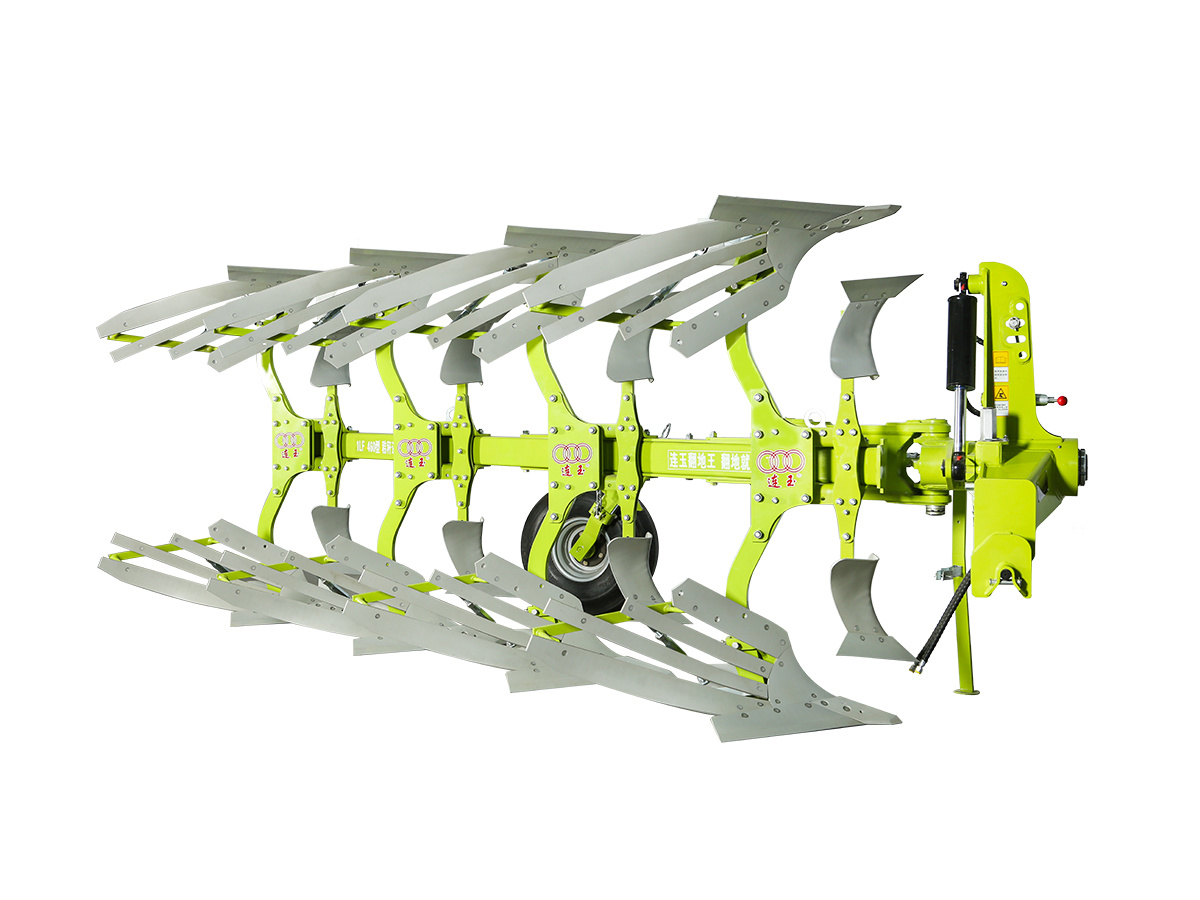
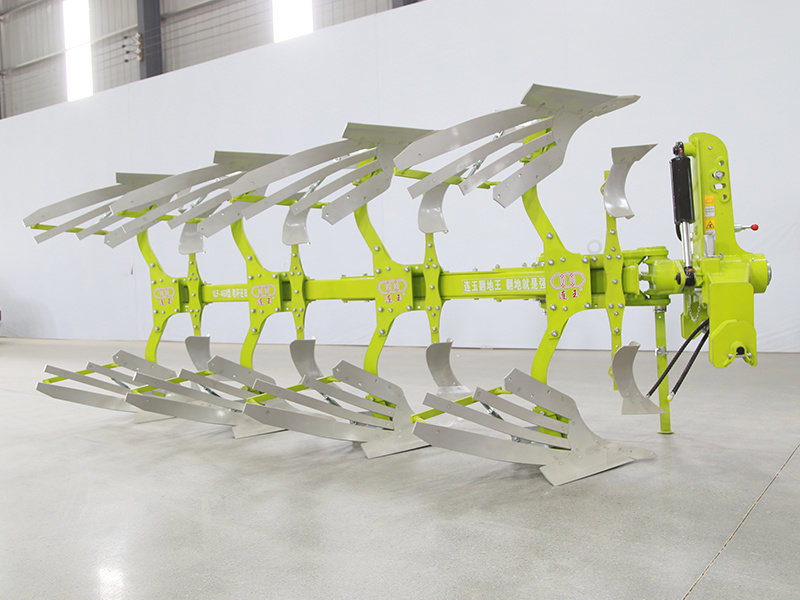
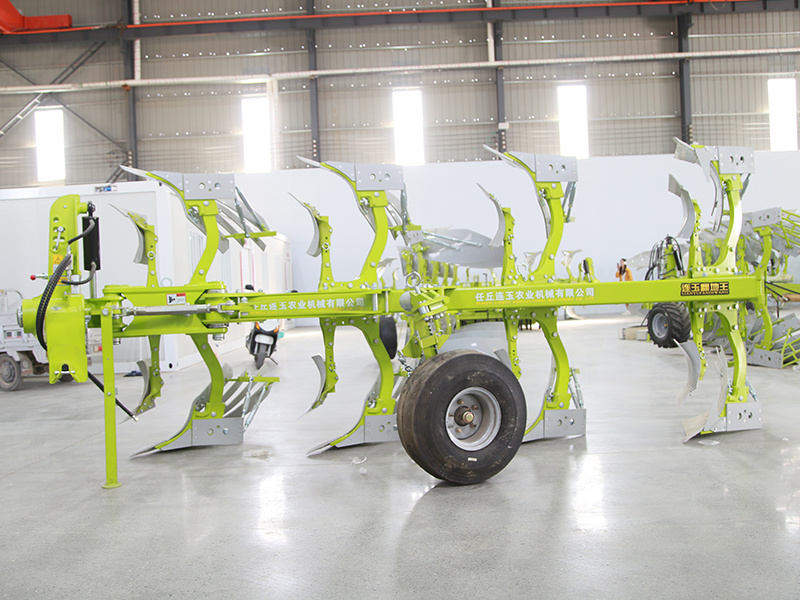
The effectiveness of moldboard plows lies in their intricate design features. Typically, a moldboard plow comprises the following components:
- Moldboard: The curved plate that lifts and turns the soil, providing aeration and mixing organic matter.
- Share: The cutting edge that slices through the soil, allowing for easier penetration.
- Furrow Wheel: Ensures stability and depth control during operation.
- Beam: The main frame that connects all components, designed for strength and stability.
How Moldboard Plows Enhance Tillage Efficiency
Moldboard plows are designed to cut, lift, and invert the soil, creating furrows that prepare the land for planting. This efficient tillage method:
- Improves soil structure and aeration.
- Encourages the decomposition of organic matter, enhancing soil fertility.
- Helps in weed control by burying weeds and seeds.
- Facilitates better moisture retention in the soil.
The Benefits of Using China Moldboard Plows
Farmers around the world are increasingly integrating China moldboard plows into their operations, and for good reason. The benefits are manifold:
1. Increased Agricultural Productivity
With the ability to efficiently prepare fields, moldboard plows contribute significantly to increased crop yields. By optimizing soil conditions, they allow crops to establish deeper roots and access essential nutrients more effectively.
2. Sustainability and Soil Health
Moldboard plowing promotes sustainable farming practices by improving soil health. The turning of the soil encourages the incorporation of organic matter, which is crucial for maintaining nutrient balance and soil structure.
Improved Nutrient Cycling
The inversion of soil layers allows for better nutrient cycling, where essential minerals are brought to the surface and made available to crops. This process is vital for promoting soil fertility over the long term.
3. Cost-Effectiveness
Investing in high-quality moldboard plows can lead to significant cost savings. The efficiency of these tools reduces the time and labor needed for land preparation, allowing farmers to allocate resources more effectively.
Long-Term Durability
China moldboard plows are often constructed from high-grade materials, ensuring durability and longevity. This reduces the frequency of equipment replacement, further lowering operating costs.
Choosing the Right Moldboard Plow
Selecting the appropriate moldboard plow for your farming needs involves considering various factors, including soil type, farm size, and crop selection.
Soil Type Considerations
Understanding the characteristics of your soil is crucial when choosing a moldboard plow. For instance, clay soils may require different designs or adjustments compared to sandy soils.
Size and Capacity
The size of the plow should correspond to the size of the tractor and the scale of your farming operation. A larger plow may cover more ground but could be challenging to maneuver in smaller fields.
Adjustable Features
Look for plows with adjustable depth settings and interchangeable parts. This flexibility allows farmers to adapt their equipment to varying conditions and requirements, maximizing efficiency.
Operational Best Practices for Moldboard Plows
To get the most out of your moldboard plow, it’s essential to adopt best practices during operation.
Maintenance and Care
Regular maintenance is crucial for ensuring optimal performance. This includes:
- Inspecting and sharpening the share and moldboard regularly.
- Checking for wear and tear on all components.
- Lubricating moving parts to prevent rust and corrosion.
Proper Technique
Employing the correct plowing technique can enhance effectiveness:
- Adjusting speed to match soil conditions.
- Maintaining consistent depth for uniform soil tillage.
- Following the contour of the land to prevent erosion.
Challenges and Solutions in Using Moldboard Plows
While moldboard plows offer numerous benefits, they are not without challenges. Understanding these can help farmers mitigate potential issues.
Soil Compaction
Excessive plowing can lead to soil compaction, which inhibits root growth and water infiltration. To combat this, farmers can practice rotational tillage or limit the frequency of plowing in certain areas.
Environmental Impact
Intensive plowing can disrupt soil ecosystems. Farmers should consider integrating cover crops and conservation tillage practices to protect soil structure and maintain biodiversity.
Future Trends in Moldboard Plow Technology
As agricultural technology continues to advance, moldboard plows are evolving too. Innovations include:
Precision Agriculture Integration
The use of GPS and sensor technology can help farmers optimize plowing patterns, ensuring efficient land use and minimal environmental impact.
Automation and Robotics
The rise of automated machinery promises to revolutionize farming practices, making the operation of moldboard plows easier and more efficient than ever before.
Conclusion
In conclusion, China moldboard plows stand as a testament to the evolution of agricultural technology, offering numerous benefits that enhance productivity and sustainability in modern farming. By understanding their design, benefits, and best practices for usage, farmers can unlock the full potential of these powerful tools. As we look to the future, the continuous innovation in plow technology promises to further transform agricultural practices, ensuring that farmers can meet the challenges of a growing world.
FAQs
1. What is a moldboard plow?
A moldboard plow is a farming implement with a curved blade that cuts, lifts, and turns the soil to prepare it for planting crops.
2. How does a moldboard plow improve soil health?
By inverting soil layers, moldboard plows incorporate organic matter, improve aeration, and enhance nutrient availability, promoting overall soil health.
3. Are moldboard plows suitable for all types of soil?
While suitable for many soil types, the effectiveness of moldboard plows can vary based on soil characteristics. Farmers should choose the right plow based on their specific soil conditions.
4. How can I maintain my moldboard plow?
Regular maintenance involves inspecting and sharpening blades, lubricating moving parts, and checking for wear and tear to ensure optimal performance.
5. What are the environmental impacts of using moldboard plows?
Excessive moldboard plowing can lead to soil compaction and disrupt soil ecosystems. Implementing conservation tillage and cover crops can mitigate these effects.
Keywords:
Contact Us
Whatsapp:
Email:
Address:
Ge Xin Zhuang Industrial Zone, Yi Lun Bao Township, Ren Qiu City, Hebei Province,China
Online Message
We will contact you within one business day. Please pay attention to your email address.
Quick Navigation
Contact Information
Our company mainly produces various hydraulic flip plows and power harrows. Welcome to visit and follow our website and social media, and feel free to contact us to discuss business.
Telephone: +86 15833369696 (WeChat)
Email: wu@lynyjt.com
Address: Ge Xinzhuang Industrial Zone, Yilunbao Township, Renqiu City, Hebei Province,China


Online Message