Gexinzhuang Industrial Zone, Yilunbao Town, Renqiu City, Hebei Province, China



Transform Your Farming: How a Reversible Plow Enhances Soil Management
2025-09-12
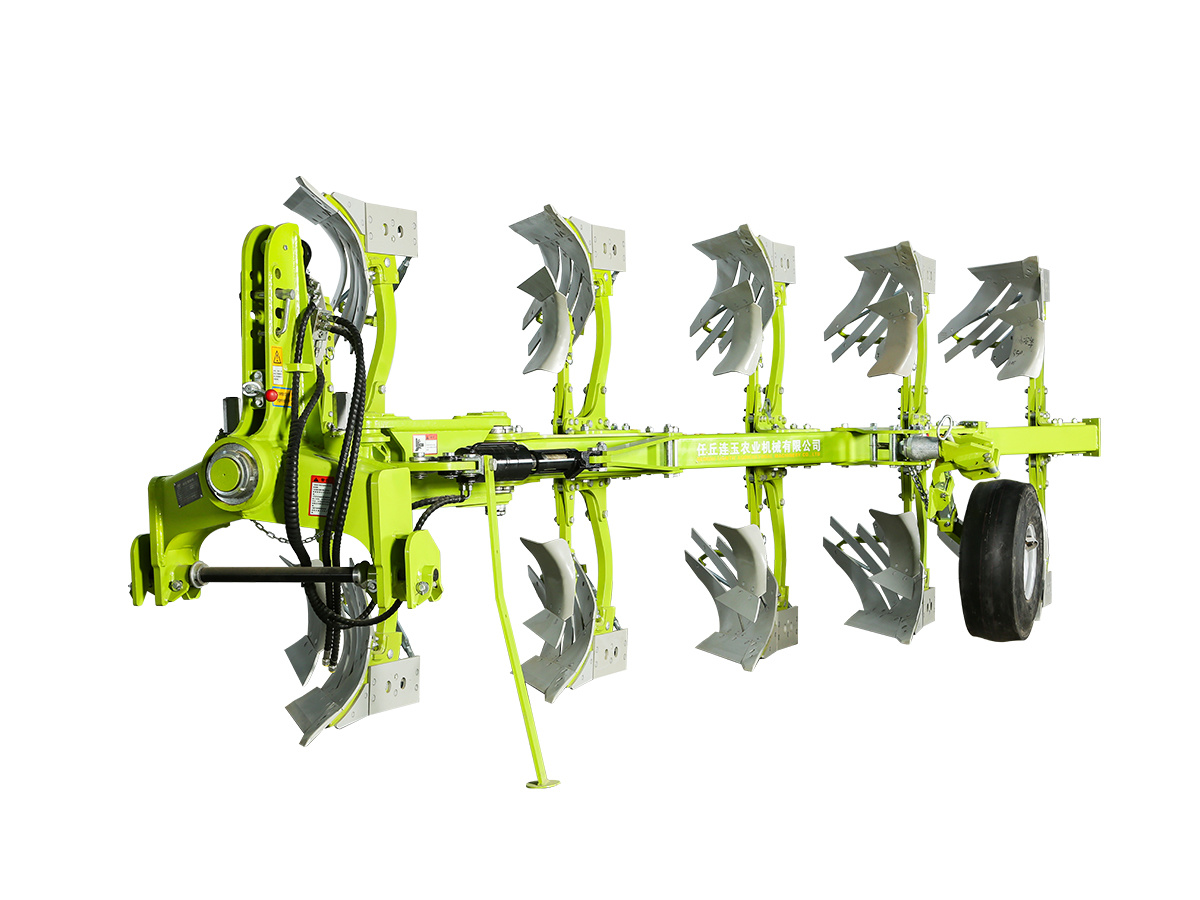
Transform Your Farming: How a Reversible Plow Enhances Soil Management
Table of Contents
- Introduction to Reversible Plows
- Understanding Soil Management in Agriculture
- Benefits of Using Reversible Plows for Soil Management
- How Reversible Plows Work: A Detailed Overview
- Types of Reversible Plows: Which One is Right for You?
- Best Practices for Using Reversible Plows in Your Farming Operations
- Investing in Reversible Plow Technology: Costs and Returns
- Frequently Asked Questions (FAQs)
- Conclusion: Embrace Change for Better Soil Management
Introduction to Reversible Plows
The agriculture industry has seen a significant evolution in farming techniques, tools, and machinery over the years. One such revolutionary tool is the **reversible plow**. This plow not only enhances soil management but also optimizes labor efficiency and minimizes operational costs. Farmers are increasingly turning to reversible plows as they recognize the myriad of benefits these tools provide. In this article, we will explore how reversible plows can transform your farming and elevate your soil management practices.
Understanding Soil Management in Agriculture
Soil management is a critical aspect of sustainable agriculture. It encompasses a variety of practices aimed at maintaining or improving soil health for optimal crop production. The key elements of effective soil management include:
Soil Structure and Composition
Understanding the physical and chemical composition of soil is vital. Healthy soil has a balanced mixture of sand, silt, clay, and organic matter. This balance influences drainage, aeration, and nutrient availability, directly impacting crop yields.
Nutrient Management
Proper nutrient management ensures that crops receive essential elements such as nitrogen, phosphorus, and potassium. Implementing the right soil amendments can optimize nutrient availability, enhancing crop growth.
Erosion Control
Soil erosion is a significant concern for farmers, as it can lead to loss of topsoil and decreased productivity. Effective soil management techniques help to mitigate erosion risk through practices like cover cropping and conservation tillage.
Benefits of Using Reversible Plows for Soil Management
Reversible plows present several advantages that contribute to superior soil management:
Enhanced Soil Aeration
Reversible plows turn the soil over, improving aeration. This increased airflow promotes microbial activity, which is essential for nutrient cycling and soil health.
Reduced Soil Compaction
By flipping the soil, reversible plows minimize compaction, allowing roots to penetrate deeper and access more moisture and nutrients.
Improved Weed Control
Turning the soil disrupts weed growth by burying existing weeds and their seeds. This natural weed control reduces the need for herbicides, promoting environmentally friendly farming methods.
Better Water Retention
The flipping action of reversible plows creates furrows that capture rainfall and irrigation, enhancing water retention and reducing runoff.
Increased Crop Yields
Ultimately, all these benefits lead to improved crop yields. Healthier soil translates to more productive farming, allowing for greater returns on investment.
How Reversible Plows Work: A Detailed Overview
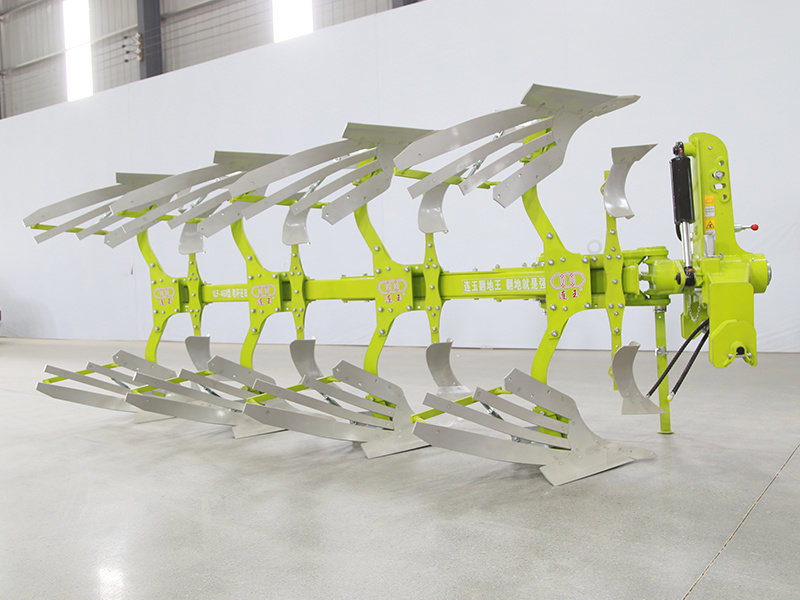
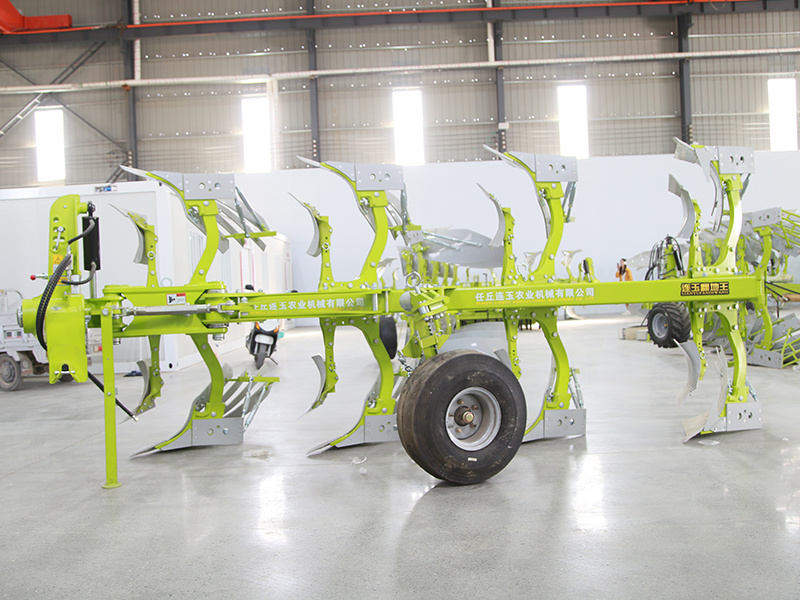
Reversible plows work on a simple yet effective principle. These plows have a unique design that allows them to turn the soil in both directions. Here’s how they function:
Mechanics of Operation
When a reversible plow is used, the operator can switch the direction of the plow's blades with a simple mechanism. This feature allows the farmer to work efficiently without needing to turn the tractor around. Instead, the plow can be lifted and rotated, allowing for continuous operation in the field.
Adjustability and Versatility
Reversible plows are designed to handle various soil types and conditions. Farmers can adjust the depth and angle of the blades to suit their specific soil requirements, making them highly versatile.
Types of Reversible Plows: Which One is Right for You?
Choosing the right reversible plow is crucial for maximizing efficiency and effectiveness. Here are the main types:
V-Style Reversible Plows
These plows feature a V-shaped blade design that efficiently splits soil and creates furrows. They are ideal for a wide range of soil types and are commonly used in larger farming operations.
Furrow Reversible Plows
Furrow plows are designed to create deep furrows, making them suitable for row crops. They allow for better drainage and root development.
Disc Reversible Plows
Disc plows use a series of circular blades to cut through the soil. They are particularly effective in heavy, compacted soils and perform well in diverse conditions.
Best Practices for Using Reversible Plows in Your Farming Operations
To achieve the best results, it's essential to implement best practices when using reversible plows:
Regular Maintenance
Ensure that your plow is regularly maintained. Check the blades for wear and tear and lubricate moving parts to ensure smooth operation.
Soil Testing
Conduct regular soil tests to determine pH levels and nutrient content. This information will help you adjust your soil management practices accordingly.
Calibrate Your Equipment
Before starting your plowing operation, calibrate your plow according to the specific conditions of your field. This ensures optimal depth and efficiency.
Monitor Weather Conditions
Check the weather forecasts before plowing. Avoid plowing wet soil, as this can lead to compaction and structural damage.
Investing in Reversible Plow Technology: Costs and Returns
Investing in reversible plow technology can initially seem daunting. However, understanding the potential returns on this investment can help you make an informed decision.
Cost Analysis
When evaluating costs, consider the purchase price of the plow, maintenance expenses, and potential savings from reduced labor and inputs. While high-quality reversible plows may come with a higher upfront cost, the long-term savings often outweigh these initial investments.
Return on Investment (ROI)
Farmers who utilize reversible plows often see increased yields, which translates into higher profits. Additionally, the efficiency gained can lead to lower operational costs, contributing to a positive ROI.
Frequently Asked Questions (FAQs)
1. What is a reversible plow?
A reversible plow is a type of plow that can be flipped to turn soil in two directions, enhancing soil management and efficiency in farming operations.
2. How does a reversible plow improve soil health?
By aerating the soil, reducing compaction, and promoting better water retention, reversible plows foster healthier soil conditions for crop growth.
3. Are reversible plows suitable for all soil types?
Yes, reversible plows are designed to handle various soil types, from sandy to clay, making them versatile for different farming conditions.
4. How often should I use a reversible plow?
The frequency of use depends on your soil management goals and crop rotation practices. Regularly incorporating plowing into your farming routine can yield better soil health.
5. What are the maintenance requirements for reversible plows?
Regular maintenance includes checking the blades, lubricating moving parts, and ensuring that the plow is calibrated for the specific field conditions.
Conclusion: Embrace Change for Better Soil Management
The integration of a reversible plow into your farming practices can significantly enhance soil management, leading to improved crop yields and sustainable agricultural practices. By understanding the mechanics, benefits, and best practices associated with reversible plows, farmers can make informed decisions that foster long-term success. Embracing such innovative technologies not only transforms farming operations but also contributes to a more sustainable agricultural future. Invest in reversible plow technology today, and witness the beneficial impact on your soil management and overall farming efficiency.
Keywords:
Contact Us
Whatsapp:
Email:
Address:
Ge Xin Zhuang Industrial Zone, Yi Lun Bao Township, Ren Qiu City, Hebei Province,China
Online Message
We will contact you within one business day. Please pay attention to your email address.
Quick Navigation
Contact Information
Our company mainly produces various hydraulic flip plows and power harrows. Welcome to visit and follow our website and social media, and feel free to contact us to discuss business.
Telephone: +86 15833369696 (WeChat)
Email: wu@lynyjt.com
Address: Ge Xinzhuang Industrial Zone, Yilunbao Township, Renqiu City, Hebei Province,China


Online Message