Gexinzhuang Industrial Zone, Yilunbao Town, Renqiu City, Hebei Province, China



Understanding the Moldboard Plow: A Key Tool for Modern Agriculture
2025-09-01
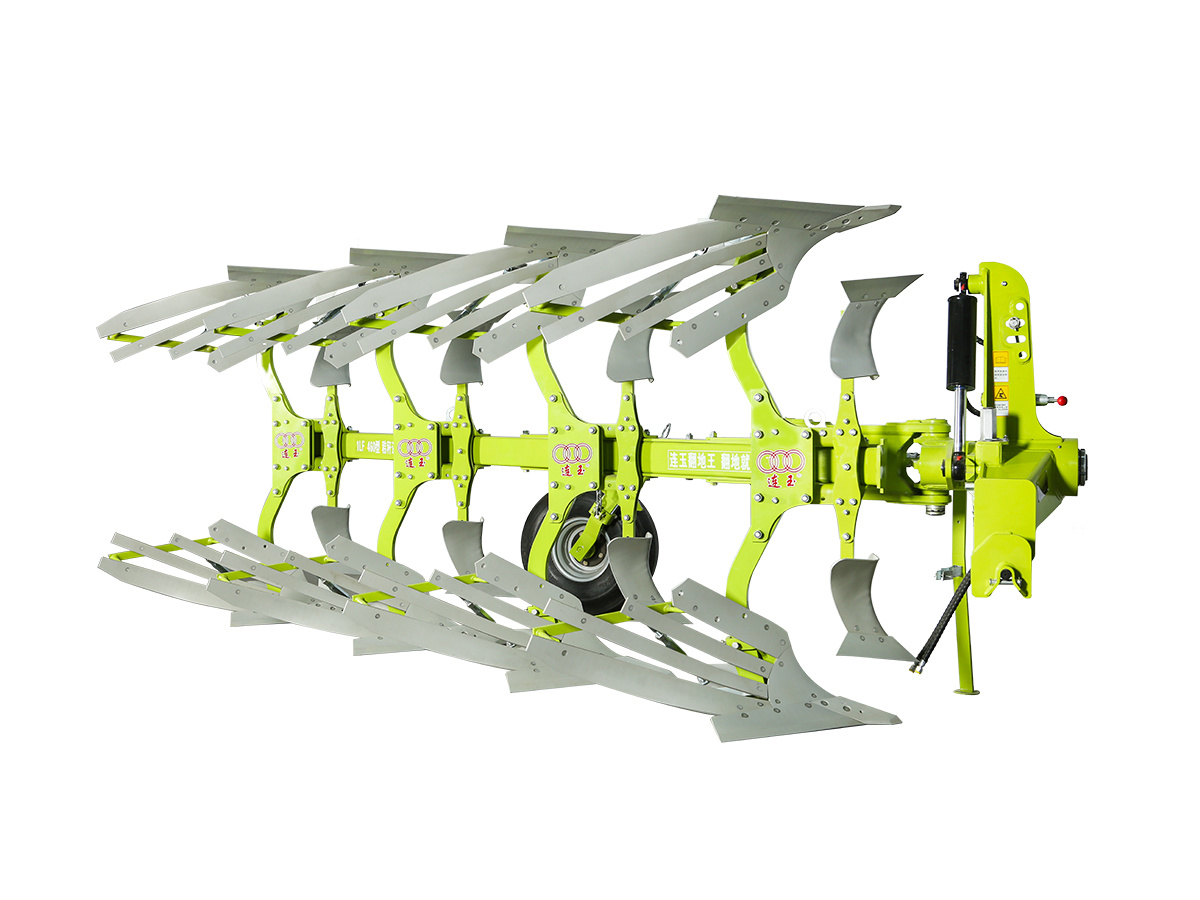
One of the primary advantages of using a moldboard plow is its effectiveness in soil inversion. When the plow is used, it not only turns over the top layer of soil but also brings nutrients from deeper layers to the surface. This process can improve soil fertility and structure, providing a better environment for root development. Additionally, by burying organic matter, such as crop residues, the moldboard plow aids in the decomposition process, eventually enriching the soil with nutrients.
Farmers can also benefit from enhanced weed management through the use of a moldboard plow. By inverting the soil, many weeds and their seeds are buried, reducing their ability to germinate and compete with crops. This helps in minimizing the reliance on chemical herbicides, promoting a more sustainable farming practice. However, it’s essential to note that excessive plowing can lead to soil erosion and degradation, so it should be used judiciously in conjunction with other conservation practices.
To maximize the benefits of a moldboard plow, operators should pay attention to proper setup and adjustment. The depth of plowing is crucial; it typically ranges from 6 to 12 inches, depending on soil type and crop needs. Moreover, maintaining the plow in good condition, including sharpening the blades and ensuring proper alignment, is vital for achieving optimal performance.
Moreover, timing is a critical factor in the efficiency of moldboard plowing. It is generally advised to plow when the soil is moist but not overly wet, as this condition allows for easier operation and better soil structure. Plowing during the right season can also help integrate organic matter into the soil, preparing it for the upcoming planting season.
In summary, the moldboard plow remains a fundamental implement in modern agriculture. Its role in soil preparation, nutrient management, and weed control makes it indispensable for farmers aiming to enhance their farming practices. Understanding how to use this tool effectively ensures that agricultural professionals can achieve sustainable and productive farming outcomes. By integrating the moldboard plow into their operations strategically, farmers can pave the way for healthier soils and increased crop productivity.
Keywords:
Contact Us
Whatsapp:
Email:
Address:
Ge Xin Zhuang Industrial Zone, Yi Lun Bao Township, Ren Qiu City, Hebei Province,China
Online Message
We will contact you within one business day. Please pay attention to your email address.
Quick Navigation
Contact Information
Our company mainly produces various hydraulic flip plows and power harrows. Welcome to visit and follow our website and social media, and feel free to contact us to discuss business.
Telephone: +86 15833369696 (WeChat)
Email: wu@lynyjt.com
Address: Ge Xinzhuang Industrial Zone, Yilunbao Township, Renqiu City, Hebei Province,China


Online Message